

























































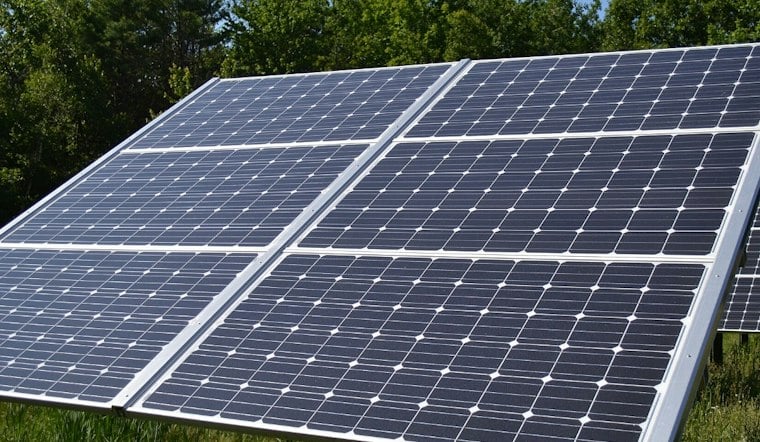
Little Rock has finished building a 4.9-megawatt solar array at the Port of Little Rock that city leaders say is expected to cover about 70% of city operations' electricity needs and save roughly $1 million a year in utility costs. A ribbon-cutting ceremony is scheduled for Friday at 10 a.m. at the port.
The completion marks a major milestone for a project the Little Rock Board of Directors approved for funding in April. THV11 reported the project is complete. Mayor Frank Scott Jr. said the solar project is a smart investment that reduces operating costs, responsibly uses taxpayer dollars, and advances the city's clean-energy goal, per the same outlet's reporting. The array sits on city-owned property at the Port of Little Rock and is expected to help the city meet its stated goal of powering city operations with 100% clean energy by 2030, a target noted by Arkansas Times.
Cost and Savings Estimates Have Varied
Exactly how much the project cost and how much it will save over its lifetime has been reported differently across outlets. Arkansas Times reported the array, built by Scenic Hill Solar, would cost $12 million, while KATV reported a cost estimate of around $10.2 million. Similarly, thv11.com reported the project was expected to save taxpayers $27 million over 20 years, while KATV put the long-term savings figure between $27 million and $30 million. The City of Little Rock's own sustainability page describes the project as one that will power about 70% of city operations with clean energy and save roughly $1 million each year, without resolving the cost or long-term savings discrepancies.
Part of a Broader Arkansas Solar Trend
Little Rock's project follows similar clean-energy investments elsewhere in the state. Pulaski County switched on a 4.7-megawatt solar array in December of the previous year, in addition to another solar site that has been operating since 2021, according to KATV. County officials told the station they are now saving about $250,000 a year on electricity expenses as a result.
Fayetteville has also pursued solar power for municipal operations, with a 3.77-megawatt ground-mounted project the City of Fayetteville says is reducing dependence on the grid and is expected to save an estimated $7 million over the life of its contract. Beaver Water District recently completed its own solar park, which KATV reports is expected to generate about 12,300 megawatt-hours of renewable energy annually and meet 15% to 20% of the district's electricity demand. The solar park is expected to generate renewable energy annually.
What Comes Next
With construction finished, Little Rock's focus now shifts to Friday's ribbon-cutting at the port, where city leaders are expected to formally mark the project's completion. The array's actual performance once fully operational, along with which of the cost and savings estimates ultimately proves accurate, remains to be seen as the city works toward its 2030 clean-energy target.





