

























































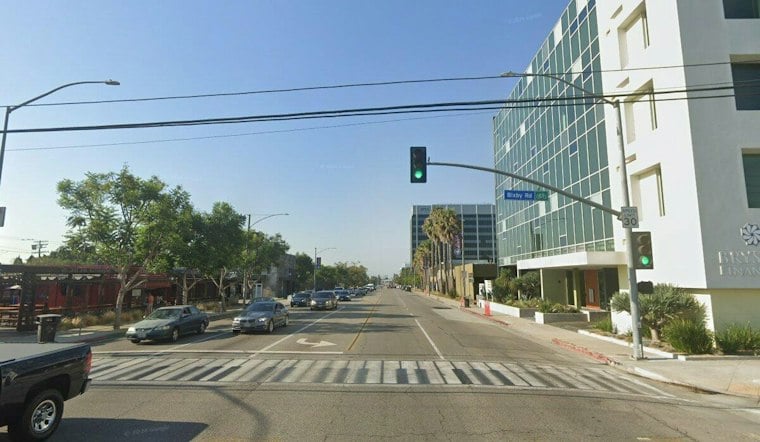
Long Beach began a 60-day warning period Wednesday, October 7, for its planned citywide network of 18 automated speed cameras, with more than a dozen installed in school zones and along high-injury corridors where crashes have long been common. Drivers caught going 11 mph or more over the limit will get a warning notice for the next 60 days; after that, fines will apply, though first violations of 11–15 mph over the limit will still receive a warning — and the rollout lands just as the city closes out its deadliest year for traffic deaths in over a decade.
According to NBC Los Angeles, Long Beach now has more than a dozen of the planned 18 cameras installed, with the rest coming online soon, as part of a five-year pilot program covering six California cities. The cameras snap a single image of the car and its license plate when a vehicle is clocked speeding, and a violation notice is supposed to arrive within 15 days. City officials cite speeding as a leading factor in fatal crashes, and the city experienced record traffic deaths in 2025 — context that's driving the urgency behind the launch.
The specific locations weren't chosen at random. Patch reported in August that the 18 cameras are spread across all nine City Council districts, targeting high-injury corridors and school zones including Long Beach Boulevard, Ocean Boulevard, Seventh Street, and Pacific Coast Highway, with sites selected based on historical crash data and statutory requirements.
A Record Year That Outpaced Homicides
The numbers behind the push are stark. Long Beach adopted its Safe Streets plan under a Vision Zero framework in July 2020, aiming to eliminate traffic deaths by 2026, but the city instead recorded 53 fatal crashes in 2025 — its highest annual total in over a decade, according to LAist. Of those 53 victims, 32 were pedestrians, bicyclists, or e-scooter riders — more than the 29 homicides recorded citywide that same year.
The toll hasn't let up in 2026. The city recorded 35 traffic fatalities through mid-September, including a cluster of six traffic deaths over an 18-day span in September alone, per a Patch report that noted the victims included pedestrians, a cyclist, a motorcyclist, and a wheelchair user. Hoodline has covered several of those losses this year, including the fatal hit-and-run that killed a man in a wheelchair, a teen driver who struck a boy outside Long Beach Poly High School, and a 68-year-old cyclist killed by a semi-truck on a PCH sidewalk.
Fines, Privacy Rules, and Who Pays
After the warning period ends December 8, fines will range from $50 to $500, with the $500 fine applying to vehicles traveling 100 mph or faster. Violations are processed as civil infractions rather than moving violations.
The law also builds in privacy and equity protections. Encinitas Bike Walk has reported that AB 645 restricts the cameras to photographing rear license plates only, strictly prohibiting any images of driver or passenger faces. The City of Long Beach has said the program is managed entirely by the Department of Public Works, with citation data and driver information kept separate from the Long Beach Police Department or any other law enforcement agency.
Low-income drivers have an out, too. The Long Beach Post has reported that drivers earning under 250% of the federal poverty line can get a 50% to 80% discount on fines, or opt for community service instead of paying — a response to concerns raised by community groups about the financial burden falling hardest on residents who can least afford it.
Where the Money Is Supposed to Go
City projections put the program's annual revenue at around $5 million, with half covering operational costs and the other half mandated by state law to fund physical traffic-calming infrastructure, according to the Long Beach Post's reporting. That reinvestment requirement directs funds toward physical traffic-calming infrastructure.
Whether the cameras actually slow drivers down on streets like Long Beach Boulevard and PCH remains to be seen. But with fines set to start hitting wallets December 8, and 35 traffic fatalities recorded through mid-September, Long Beach drivers now have a hard deadline to change their habits — or pay for it.



