

























































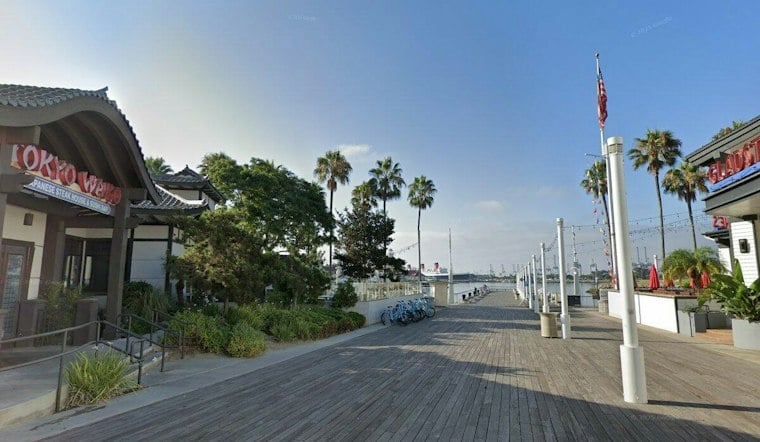
Long Beach’s City Council voted 5-3 on October 6 to approve a $25.7 million, three-year contract with Drop Mobility to operate, maintain and modernize the city’s bike-share system. The agreement calls for adding electric bikes to the existing pedal-bike service.
A Split Vote After a Contentious Bid
The council's decision followed a procurement process in which the Long Beach Post reports Drop Mobility received the highest bid score even after current operator Pedal Movement received a 10-point local-company bonus. Drop's bid came in about $4.7 million cheaper than Pedal Movement's in the first year, according to the same report. Council members Cindy Allen, Megan Kerr and Mary Zendejas dissented from the 5-3 vote, the Post notes.
Pedal Movement has administered Long Beach’s pedal-bike program since 2017 and formally protested the procurement. Citizenportal.ai reported that Public Works recommended awarding Drop the three-year operations and maintenance contract, and that the council postponed its initial decision until October 6 to allow more review.
What's Changing on the Streets
Under the new contract, Drop Mobility will deploy about 700 pedal-assisted e-bikes in Long Beach in the contract's first year, with a path to 2,000 e-bikes by the third year. The e-bikes top out at 16 miles per hour. The company will also convert 150 existing city pedal bicycles to its software platform and expand bike-share station hubs across the city, while the system will continue to include 480 working blue pedal bikes supplied by Pedal Movement.
The city will own the bikes, set prices and keep bike-share revenue; officials said exact pricing would be determined in the coming months. The existing Bike Share For All program, which the City of Long Beach says offers eligible residents, students and workers a $5 annual rate, will continue. Riders will see pedal bikes and e-bikes in the app and will need to update it when the new system launches. The Long Beach Post reported that Amber Wason said Drop’s role is to enable the city to operate the program, with changes made at the city’s direction.
Why the City Says It Needs More Bikes Now
City officials have linked the expansion to the 2028 Olympics, saying a larger fleet could help people travel farther and avoid traffic during the Games. The Long Beach Post reported that Jocelin Padilla said the city sought e-bikes to expand mobility and make longer trips possible. Private companies including Lime and Bird already place rentable e-bikes and scooters around the city; the municipal system will remain publicly owned, with Drop Mobility administering it.
A Public Works memo cited by the Long Beach Post says Drop projects ridership could increase by as much as 500 percent by the third year if the city operates the full fleet available under the contract. The city says Measure A sales-tax funds appropriated through the annual budget process would cover any remaining operating and maintenance costs not offset by ridership.
Resident Reactions Are Mixed
The Long Beach Post reported that resident Kerry Beth Kauffman welcomed the prospect of more e-bikes while raising concerns about accessibility, functionality, affordability, age requirements, pinch points and bicycle theft. Leo Fraser described bike share as a challenging business.
Drop Mobility has agreed to interview Pedal Movement employees and honor existing rider agreements during the transition. The company also plans to move its Southern California facility from La Mirada to Long Beach. Drop maintains or services bike-share programs in New Orleans, Kansas City and the Pioneer Valley in western Massachusetts. In New Orleans, it provides about 400 bikes for the Blue Bikes program, which Blue Krewe administers.
A Look at How New Orleans' Program Evolved
New Orleans offers a comparison for the planned expansion. NOLA.com reported that Blue Krewe is adding 400 electric bikes to Blue Bikes, bringing its fleet to 500, and hopes to put 2,000 new e-bikes in neighborhoods within five years. The organization took over management of the city’s bike supply in 2021, and received an $11.8 million federal grant in 2024. The Long Beach Post reported that Drop developed bikes with enhanced security and locking features after thefts and hurricanes left New Orleans bike racks nearly empty in 2024; development and deployment took between six months and a year.
Long Beach Public Works says pedal bikes accounted for more than 80,000 rentals in 2024, providing a historical ridership baseline for the expanded system.
Bikeways and the 2028 Travel Plan
A November 2025 City of Long Beach presentation described the Orange Avenue Backbone Bikeway as an 8.28-mile corridor: 4.28 miles were complete, 2.66 miles were included in the current project and 1.34 miles remained to be developed.
The expansion also sits within a broader regional Games travel effort. LA Metro’s 2028 Games mobility plan sets a goal of enabling ticketed spectators to reach competition venues by public transit, walking or cycling.





