

























































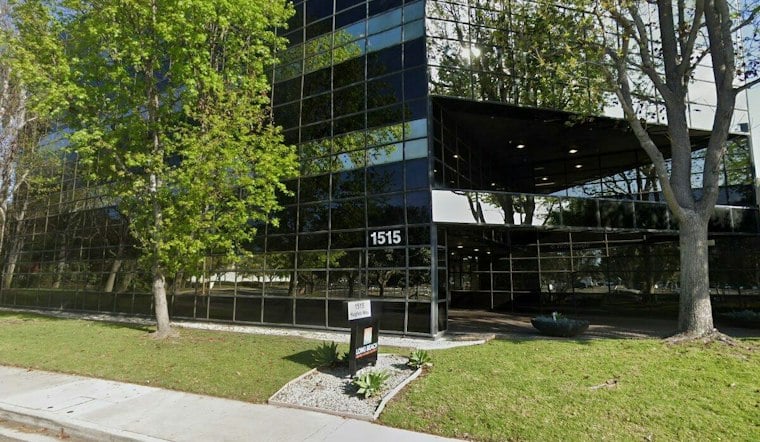
Long Beach Unified School District has opened a survey asking students and families what they think about artificial intelligence and computer screens in the classroom, a move that comes as parents and students have spent months pressuring the district to rein in classroom technology. The survey, which opened earlier in October, probes how families feel about the effects of classroom technology on learning, well-being, privacy and attention. It closes on November 6.
The timing is no accident. According to Long Beach Post, the district may develop new technology policies in response to public pressure from grassroots groups calling for limits on classroom tech. Those groups argue that heavy technology use harms learning and development while eating into the district budget — a budget that, per the district, included $2.5 million spent on laptops during the 2025-26 school year, with another $2.5 million projected for the current school year.
Parents and Students Demand Action at the Board
The pressure campaign has been building for months. Long Beach parents helped spearhead a local chapter of Schools Beyond Screens, a national group that advocates limiting screen and technology use in classrooms, and several dozen Long Beach parents have been pushing the district to adopt evidence-based tech policies, as Long Beach Post reported over the summer. Those parents pressed the school board about educational technology spending, gamified learning, surveillance and data collection, and the effects of screens on students' critical thinking, attention and socialization, the outlet reported.
Kim Tashkin, who helps lead the Long Beach chapter of Schools Beyond Screens, said she hopes the district passes a moratorium on AI as soon as possible. The district already adopted a policy in 2025 to curtail phones and personal devices, but some parents say that step hasn't gone far enough.
At an LBUSD board meeting earlier this month, students told board members that unchecked AI use could leave students unable to think independently. Ivory Montejano spoke during public comment at the October 7 meeting, and Paolina Cummings urged the board to regulate AI before it affects all LBUSD students. Students have also turned to performance art to express their fears about AI's spread through classrooms, a tactic LBUSD's own spokesperson has acknowledged shapes the conversation shaping district decisions.
Survey Numbers Point to Widespread AI Use
The scale of the concern shows up in numbers students themselves have gathered. A student campaign survey found that 91% of respondents said they had used, or seen someone use, AI to cheat on assignments, and 85% said they had seen or heard about their teachers using AI in class, the same outlet reported. Those figures echo a broader national pattern: a 2025 RAND study found that 54% of students and 53% of English language arts, math and science teachers reported using AI for school, increases of more than 15 percentage points over the prior one to two years, according to RAND.
RAND's research also found a gap between how adults and students view the risks. Sixty-one percent of parents and 48% of middle schoolers and 55% of high schoolers agreed that greater AI use could harm students' critical-thinking skills, compared with just 22% of district leaders, per RAND. The same research found that half of surveyed students worried they would be falsely accused of using AI to cheat, and more than 80% said teachers had not explicitly taught them how to use AI for schoolwork.
District Forming a Workgroup to Review Results
LBUSD spokesperson Eric Mitchell said the district is establishing a technology workgroup that will include teachers, students, guardians, administrators and industry experts. Once the survey closes, the workgroup will review the results and identify common themes, and Mitchell said the findings may help shape policy recommendations alongside focus groups and other research.
LBUSD's research department frames the broader survey effort as part of routine practice, stating on its website that stakeholder engagement through open and honest feedback is essential for continuous improvement and equitable outcomes, according to LBUSD. The district says survey data are used strictly for educational purposes, to inform district policies and practices, and for mandatory state and federal reporting.
How Other Big Districts Have Responded
Long Beach isn't alone in grappling with this. Los Angeles Unified, the nation's largest public school system, passed a moratorium on AI use and adopted a policy that eliminates laptops and tablets for students in first grade and below while capping screen time for older students, a move Los Angeles Unified parents had lobbied for. New York City Public Schools, among the nation's largest systems, has also passed a moratorium on AI use.
RAND's researchers argue that the fix isn't necessarily to ban the technology outright but to get ahead of it with structure. School district leaders should create a coherent policy on AI use and train teachers and students on how to use it productively, the organization recommends. Whether LBUSD's survey results point the district toward a moratorium, a training mandate or something else entirely remains to be seen once the workgroup finishes its review.





