

























































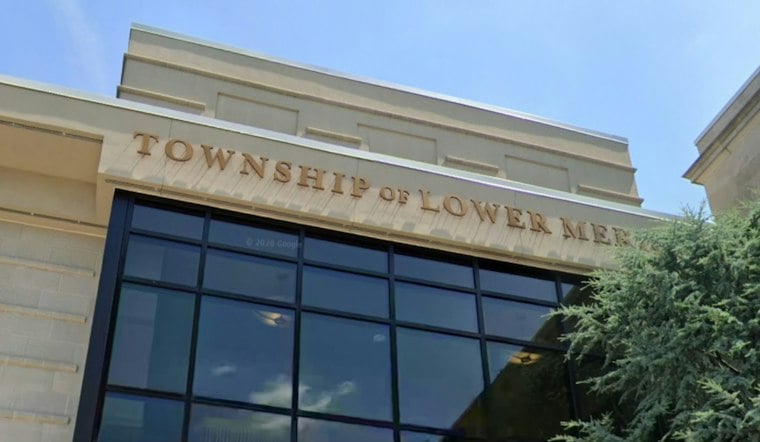
Trash pickup in Lower Merion Township could cost homeowners significantly more starting in January 2027, with officials eyeing a 14% increase across every tier of garbage and recycling collection fees. The proposal would push the mini-can rate from $303 to $345 a year, the standard one- or two-container rate from $465 to $530, and the enhanced three- or four-container rate from $686 to $782.
The Lower Merion Township Board of Commissioners voted unanimously on September 23 to advance the ordinance, authorizing it for advertising, according to The Philadelphia Inquirer. Rear-of-home collection fees, paid by residents who opt for backyard pickup rather than curbside service, would also rise 14% under the plan. A separate report from delcotimes.com indicates that add-on would bring the enhanced-tier rear-yard fee to roughly $420 on top of the $782 base charge, though the exact add-on amounts for the mini-can and standard tiers were not independently confirmed. About 17% of all subscriptions in the township currently include rear-yard service, per the same outlet.
Why the Township Says It Needs the Money
The increase is meant to address a $1.3 million deficit in the township's Solid Waste Fund, according to township officials. The new fee schedule is projected to bring in $1.14 million in additional revenue, which officials say would help stabilize the fund. Lower Merion's financial policy calls for maintaining a 10% fund balance in the Solid Waste Fund, a target the township notes has been difficult to hit in recent years, per the same account from delcotimes.com.
Chief Financial Officer Adam Szumski told commissioners that overall township expenses have climbed 32% since 2022, or nearly 6% a year. Healthcare utilization is running 12% above expected levels for 2026, per Szumski, and Township Manager Ernie McNeely said Lower Merion expects a double-digit increase in healthcare premium costs for 2027. The township also faces higher personnel costs, as wages and health insurance expenses have risen for existing employees.
Collection Volume Flat, but Costs Keep Climbing
Trash and recycling tonnage in the township has stayed relatively steady even as expenses rise. Collection volume declined steadily from 2007 through 2014, saw a temporary bump during the COVID-19 pandemic, and has been relatively flat since 2014. Szumski noted the township believes manufacturers have reduced the amount of material used in disposable and recyclable packaging over time, even as solid waste collection costs have increased with volume holding steady.
Other revenue sources have also softened, according to township officials, including a decline in grant funding and paper-recycling payments. Lower Merion added a crew of three refuse collectors in 2023. Today, the township's refuse division serves more than 16,900 residential accounts and collects about 15,000 tons of trash, 3,000 tons of recycled paper and cardboard, and 2,000 tons of commingled recycling each year.
Commissioners Debate Fairness of the Fee Structure
Commissioner V. Scott Zelov called the fee increase “an enormously challenging issue” and said the township's goal is to keep future fee hikes at or below the rate of inflation. Commissioner Gilda Kramer voted to advance the increase but raised concerns about how the burden is distributed, saying it falls inequitably on the smallest assessed homeowners. Kramer said the board should consider reviewing how it charges for solid waste collection altogether.
The current fee structure traces back to a 2020 ordinance that restructured solid waste billing beginning in 2021, according to mainlinemedianews.com. That overhaul reduced the number of service tiers, preserved incentives for residents to cut down on trash volume, and aimed to fund solid waste operations without drawing on general tax revenue, creating the three-tier system of escalating fees still in place today.
The Board of Commissioners is expected to hold a formal vote on the 2027 fee ordinance later this year. Until then, the rates homeowners will actually pay next January remain unsettled, with the September 23 vote serving only to move the proposal forward for public advertising rather than finalize it.



