

























































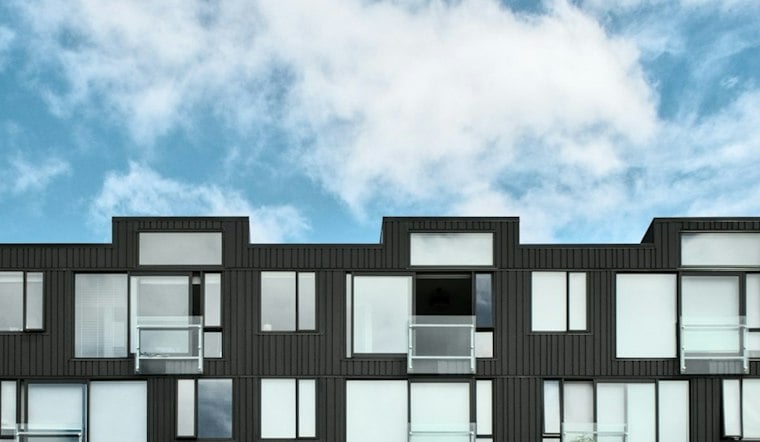
A two-story, seven-unit apartment building in Makiki is being transformed into Hale Koko, a transitional home for former foster youths and young adults with children who have nowhere else to live. The nonprofit Residential Youth Services & Empowerment, or RYSE, is overseeing the renovation, which is expected to provide 12 beds once finished, with each unit offering its own bathroom, kitchen and living area.
The project got a boost when the Nareit Foundation awarded RYSE a $100,000 grant to help pay for the work, according to Hawaii News Now. The renovations include a new electrical system, plumbing, kitchen cabinets and windows, all aimed at readying the building for residents who, as the station reports, are meant to have a stable place to live while they work toward independence. The home itself was donated to RYSE by state Rep. Kim Coco Iwamoto, according to the same report.
Hale Koko sits within walking distance of schools, grocery and retail stores, jobs and public transportation, the station notes. That location matters for a population RYSE describes as trying to rebuild their lives with the basics close at hand rather than isolated far from the services they need.
Who Will Live There and Who Will Help
Once complete, Hale Koko will have a live-in kupuna working as staff, providing residents with guidance, care and moral support, per the station's report. Outside organizations are also expected to pitch in: Hale Kipa and Epic ‘Ohana will help provide additional services to residents, the outlet reports, adding another layer of support beyond RYSE's own staff.
RYSE itself runs a broader set of programs across Oahu, including an access center open daily, emergency and transitional shelters, education and employment counseling, and a medical and behavioral health clinic, according to nareithawaii.com. That same organization separately received a $50,000 Nareit Foundation grant for a different, five-bedroom RYSE group home on Oahu's North Shore, where the money is primarily going toward repairing a septic tank system that had left the property vacant for a year.
A Target Date for the Holidays
RYSE's housing director said the goal is to have Hale Koko open by mid-December so that young people can be housed there during the Christmas holidays, Hawaii News Now reports. The Honolulu Star-Advertiser, which first reported on the Makiki project, described the building's renovations as scheduled for completion on Christmas Day 2026 — a slightly different timeline than the mid-December opening goal cited elsewhere, underscoring that the exact schedule still depends on how the renovation work proceeds.
The push to finish the home comes as Oahu's homelessness numbers shift in a complicated direction. The island's 2026 Point-in-Time Count identified 4,539 people experiencing homelessness on the night of Jan. 25, roughly 1% more than the 4,487 counted in 2024, according to the Star-Advertiser's reporting on the count. Within that overall uptick, unsheltered homelessness actually declined by nearly 20%, falling from 2,756 people in 2024 to 2,208 this year, while the number of people who are homeless but have found shelter rose almost 35%, from 1,731 to 2,331 over the same period.
Families and Children Feel the Strain
The count also found that family homelessness is a growing piece of the picture. The number of people in homeless households with both adults and children increased 19% from 2024 to 2026, reaching 1,334 individuals, per the Star-Advertiser's report on the Point-in-Time data. A total of 802 keiki under age 18 were counted as homeless this year, including five unaccompanied minors, with nearly 89% of them sheltered.
Family Promise of Hawaiʻi's summary of the same count found that family homelessness has climbed 43% since 2022, the Star-Advertiser reported, while the Hawaii Department of Education annually identifies about 4,800 school-aged students experiencing homelessness along with another 750 children from birth to age five. Against that backdrop, Hale Koko represents a small but concrete addition of beds aimed squarely at young people and young parents who have aged out of the foster system with no family safety net to fall back on.



