

























































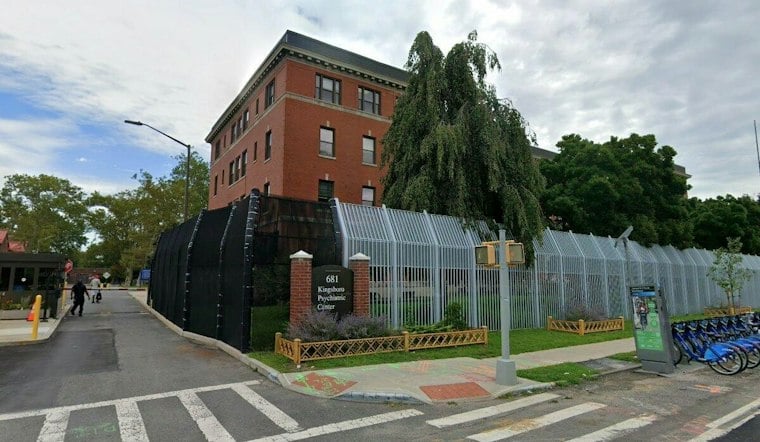
A man died after a struggle with Department of Homeless Services peace officers and NYPD officers at a Brooklyn men's shelter on Clarkson Avenue, and New York Attorney General Letitia James' office has now opened a full investigation into what happened. The man lost consciousness during the encounter on December 21, 2025, and was pronounced dead after being rushed to a nearby hospital.
According to News 12 New York, the man allegedly pushed a Department of Homeless Services peace officer, which prompted officers to attempt to handcuff him. A struggle followed, and NYPD officers who responded to the scene tried to help restrain him before he lost consciousness. Newly released details from the Attorney General's Office of Special Investigation pin the start of the physical encounter at 5:05 p.m. that day, according to a statement from the Office of the New York State Attorney General, though the office cautions that preliminary details remain subject to its ongoing findings.
The shelter sits within the state-owned Kingsboro Psychiatric Center complex in East Flatbush, which includes the 143-bed Kingsboro MICA shelter for men with mental health and substance abuse needs, operated by the Salvation Army at 681 Clarkson Avenue, per records reviewed by NYC.gov. As of publication, the man's identity and official cause of death had not been released.
Why the AG's Office Took Over the Case
The Office of Special Investigation initially conducted a preliminary assessment of the incident before new information about the man's death prompted it to open a full investigation, the AG's office said. That shift is governed by New York State Executive Law Section 70-b, enacted in April 2021, which requires the Attorney General's office to review every civilian death in which a police or peace officer's act or omission may be involved — regardless of whether the officer was on duty or the person was armed or in custody.
Under the same statute's protocols, once OSI's preliminary review suggests an officer may have caused a death, the agency must proceed to a full investigation and ultimately either bring the matter before a grand jury or issue a public report detailing its findings, the attorney general's office has outlined in its investigative policy. The office previously applied that process in September 2026, publishing a Section 70-b report on a June 2025 case in Manhattan in which a man suffered fatal blunt force chest trauma and cardiac arrest during a physical takedown by NYPD officers.
Scrutiny of Shelter Security Forces
The Department of Homeless Services Police is a specialized unit of roughly 480 peace officers responsible for security across the city's municipal shelters, and it has operated under NYPD oversight since January 2017, according to a 2024 investigation by New York Focus. That reporting, produced with MuckRock, documented systemic oversight concerns involving the force, including instances of excessive physical force and lenient internal discipline, and raised ongoing questions from civil rights advocates about de-escalation preparedness inside city shelters.
City regulations require all municipal homeless shelters to maintain 24-hour security operations, conduct entry searches for prohibited items, and enforce strict codes of conduct, with shelter security plans subject to review and approval by NYPD security management teams. Separately, a March 2025 state environmental review outlined plans to redevelop the 7.2-acre Kingsboro Psychiatric Center site, replacing existing shelter space with two modern single-adult men's shelters totaling 364 beds alongside 1,081 units of affordable and supportive housing.
What Comes Next
Attorney General policy requires the public release of body-worn camera and facility surveillance footage gathered during Office of Special Investigation death inquiries, a measure instituted to strengthen transparency in law enforcement death cases. Whether such footage exists from the Clarkson Avenue encounter has not been disclosed.
Key questions remain open, including the man's formal identity, the cause and manner of death to be established by the Chief Medical Examiner, and whether the investigation will ultimately lead to grand jury proceedings or a public report from the Office of Special Investigation, as required under Section 70-b when no indictment is sought.




