

























































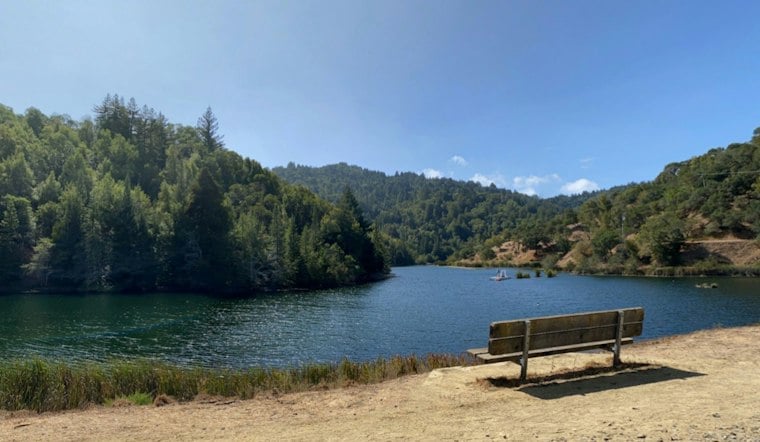
Marin Water and Marin County crews are expected to begin lowering water levels in Phoenix Lake in Ross on Monday, making room for stormwater before winter rains arrive. The drawdown is expected to run through the middle of November and is aimed at easing flood risk downstream in Ross and San Anselmo.
County officials said the work will create additional space in the lake to capture runoff during storms, according to SFGATE. Marin Water and the county of Marin are collaborating to again lower Phoenix Lake's water level to create room to capture runoff, as reported by marinij.com. The goal, per that same account, is to lower the water level at the reservoir to lessen the likelihood of Ross Valley flooding this winter.
This isn't the district's first attempt at the maneuver. During an October 2021 storm, Phoenix Lake was nearly empty and provided temporary storage during early-season atmospheric river events, the outlet's report notes. Marin Water General Manager Shaun Horne said the extra storage space reduced the flow to Ross by an estimated 40% that year.
Why This Winter's Drawdown Is a One-Time Move
Despite the apparent success in 2021, Marin Water isn't planning to make this a season-long strategy. Officials said they're treating this as a one-time intervention, since the district's current infrastructure makes it difficult to operate the drawdown approach throughout the winter, per the same account. Phoenix Lake is the smallest of the water district's seven reservoirs — nearby Kent Lake holds 75 times more water — which limits how much flood-storage capacity the maneuver can realistically provide.
The timing matters because Marin Water's reservoirs aren't running low. As of Oct. 21, the system's reservoirs were at about 80% capacity, or roughly 121.45% of the average storage typically seen for that date, the station's report states. About 75% of the county's water supply originates in the Mount Tamalpais watershed, which drains into Phoenix Lake and the waterways that feed Ross Valley, underscoring why the small reservoir plays an outsized role in regional flood dynamics despite its size.
County Spending Millions Ahead of a Risky Winter
The Phoenix Lake drawdown is one piece of a broader push by Marin County to prepare for a potentially severe rainy season. Marin County supervisors approved a $3 million allocation on Sept. 29 for storm readiness, countywide preparedness, flood-risk reduction and resilience investments, according to marinij.com's separate report. County crews have also sped up seasonal maintenance of drainage systems and creeks ahead of the wet months. A demonstration has also featured flood barriers and pumps.
Officials have warned that severe winter rain could bring upland flooding, road closures, debris and landslides across the county. King tides can compound flood risk when heavy rain coincides with them. County officials have urged residents to sign up for AlertMarin to receive warnings and instructions directly from emergency responders.
A County Still Recovering From January's Flooding
The stakes behind this fall's preparations were made clear by a weekend storm last January, when flooding affected hundreds of structures across Marin County, according to KQED. Highway 101 saw about 2.5 feet of rapidly rising water during that event, forcing exits to close for multiple hours. In Santa Venetia, officials have also flagged that a 40-year-old berm near Vendola Drive may not be able to stop floodwater from overtopping it.
Those pressures are layered on top of longer-term climate trends. KQED's reporting notes that the Bay Area has seen sea-level rise of nearly 2 millimeters per year in recent years, and that the ocean and bay could rise by about a foot by midcentury and more than 6 feet by century's end, driven mainly by human-caused climate change. For now, the lowered water level at Phoenix Lake stands as one of the more immediate, hands-on tools Marin Water has to blunt the next storm's impact on Ross Valley before it arrives.





