

























































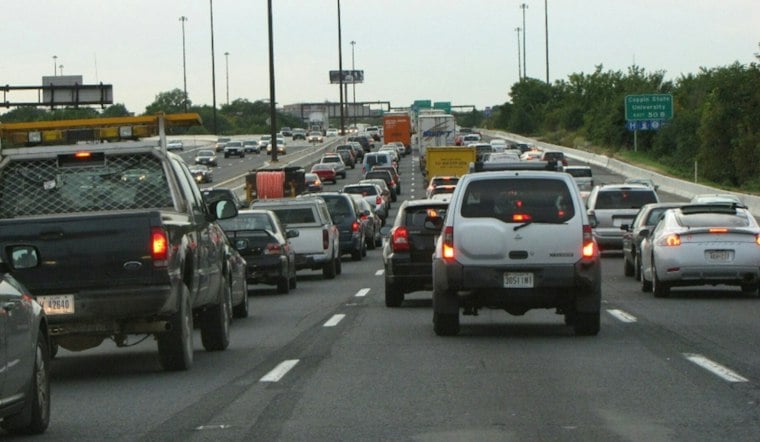
Maryland drivers could soon be charged based on how many miles they drive, not just how much gas they buy, as state lawmakers search for new ways to pay for crumbling roads and bridges. Electric vehicles are becoming more common across the state as drivers shift away from gasoline-powered cars, and that shift is steadily shrinking the pool of fuel subject to Maryland's gas tax.
That trend is at the heart of a renewed push in Annapolis, according to WBFF, which reports the gas tax funds state roads, bridges and other transportation infrastructure but is projected to generate $300 million less by 2031 than it does today. Gas tax revenue currently accounts for 18% of the money collected in taxes by the Maryland Department of Transportation, per the station, with fuel-efficient and electric vehicles chipping away at that base. Maryland lawmakers have already considered mileage-based fees twice before, and WBFF reports both prior proposals stalled in committee, though the idea could return during the next legislative session.
Earlier Proposals Took Different Approaches
A 2025 proposal, House Bill 1457, would repeal the state's existing annual $125 electric-vehicle surcharge, passed in 2024 to address transportation funding shortages, and replace it with a highway-use fee, according to WMAR-2 News. That fee would apply only to vehicles getting at least 25 miles per gallon and would come on top of the existing fuel tax. Based on an assumed average of 11,245 miles driven per year, the station reports the fee would range from $5.83 to $182 annually, with statewide revenue estimates landing between $47 million and $67 million a year.
A separate earlier measure, House Bill 1374, would take a similar approach by repealing the $125 annual zero-emission vehicle fee, but it would give drivers a choice: pay a flat fee or pay based on miles traveled, per the same outlet's report. The HB1457 proposal would also let drivers opt out of the annual fee entirely by enrolling in a voluntary mileage-based user-fee program instead. Not everyone in Annapolis is on board with the concept at all — Senator Justin Ready has sponsored SB557, which would block the state or any local jurisdiction from imposing a vehicle-miles-traveled tax in the first place.
A Pilot Program Showed Drivers Paying More
Maryland has already tested the waters. A pilot mileage-based program found that participating drivers paid about $23 a month, compared with roughly $19 a month through the traditional gas tax, the station's report notes. Economists cited by the Baltimore Sun said mileage-based systems could provide an alternative revenue stream as gas tax collections keep sliding, though that framing comes with caveats attached.
Mileage-based charges could cost more to administer than the state's existing revenue mechanisms, and they raise privacy and enforcement concerns that have dogged similar proposals elsewhere. Those worries help explain why, even as some lawmakers push for a highway-use fee, others are pushing legislation to ban the concept outright.
The Money Pays for More Than Potholes
The stakes extend well beyond individual drivers' wallets. The Maryland Department of Transportation's Transportation Trust Fund pays for state transportation projects including roads, bridges and transit, and it has previously supported efforts to upgrade Baltimore's light rail system. Maryland transportation construction and maintenance costs are rising at the same time gas tax revenue is falling, squeezing the fund from both directions.
Separately, Maryland's General Fund is projected to face a $3.1 billion shortfall next year, adding broader fiscal pressure as lawmakers weigh how to keep transportation dollars flowing. The state's motor fuel tax — listed at 46.6 cents per gallon in one Maryland Matters report and 47 cents per gallon in an earlier one from the same outlet — has long made up a substantial share of the Transportation Trust Fund, though its role is shrinking as fuel sales decline.
A Nearly $1.2 Billion Repair Gap
Maryland Matters reports the state faces a nearly $1.2 billion gap in funding needed to keep its roads in good repair, part of why a proposed $21.9 billion six-year transportation plan is $200 million smaller than the version it replaces. That plan directs money toward existing, already prioritized projects rather than new capital construction, the outlet notes, with state titling taxes expected to overtake gas taxes as the largest state-sourced revenue in the fund over the coming years. Motor fuel taxes were once the backbone of state transportation funding, but that revenue source has been in decline for years as vehicles get more efficient and electric adoption grows; Maryland Matters reported gasoline sales in 2022 remained more than 4% below 2019 levels.
Maryland wouldn't be alone if it moves forward. Virginia, Utah, Oregon and Hawaii have already adopted voluntary distance-based vehicle fee programs, according to WMAR-2 News. Virginia's own highway-use fee ranges from $6 to $128 annually for fuel-efficient vehicles, with roughly 30,000 drivers enrolled in its voluntary program and the fee projected to generate $91 million in fiscal year 2025. Nationally, the Tax Foundation reports most states now impose additional fees on electric vehicles, ranging from $50 in Hawaii up to $270 in New Jersey, with fourteen states recently raising those fees as they confront the same shrinking gas-tax base Maryland is now grappling with.


