

























































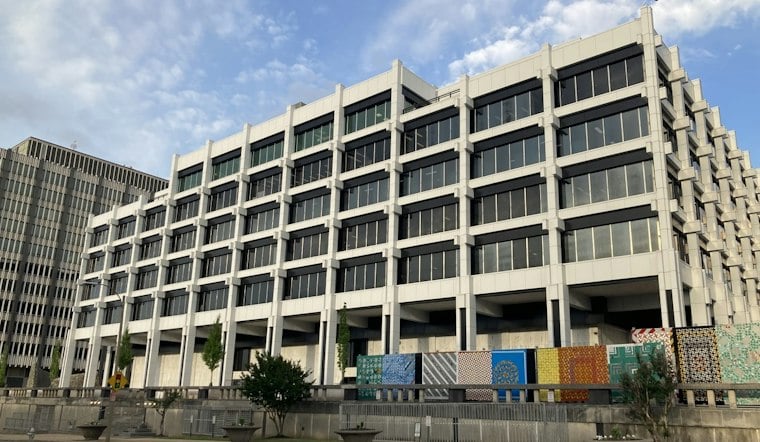
Thousands of Memphis families will soon get a letter they weren't expecting: notice that their medical bills have been wiped away for good, no strings attached. City officials announced Tuesday at Memphis City Hall that more than $17 million in medical debt has been canceled for 12,000 Memphians, the result of a city grant that turned out to have far more financial muscle than its price tag suggested.
The relief traces back to a resolution Memphis City Councilwoman Jerri Green introduced using her annual discretionary city grant funds. According to WREG, Green announced the use of roughly $200,000 in grant funds, with $159,202.77 of that directed specifically to the nonprofit Undue Medical Debt. As reported by the Johnson City Press, the Memphis City Council passed that resolution in August, establishing the legislative authorization behind the debt wipeout. Green, who represents District 2 on the council, used grant funds she receives as a council member.
Why does a $159,000 city grant translate into $17 million in forgiven bills? Undue Medical Debt, formerly known as RIP Medical Debt, purchases bundled medical debt at steep discounts — a model that lets municipal dollars achieve a relief leverage ratio exceeding 100-to-1, as Hoodline previously reported on a similar gift funding debt relief in Austin. Courtney Werpy Story, vice president of government initiatives at Undue Medical Debt, said the nonprofit canceled debt totaling more than $17 million for 12,000 Memphians, per the organization's own figures relayed through the station's report.
Who Qualifies and How They'll Find Out
Green framed the stakes in personal terms. “An unexpected medical expense can create a financial burden that lasts for years,” she said, according to the same account. Individuals qualify for debt cancellation if their income falls at or below 400% of the federal poverty level — a threshold that Werpy Story said equals just over $100,000 for a family of three — or if their medical debt amounts to at least 5% of their annual income.
Qualifying residents won't need to apply or take any action. They'll simply receive a mailed letter notifying them that their debt has been erased as a no-strings-attached gift. Memphis City Councilman Dr. Jeff Warren, who is also a physician, said medical debt burdens families, especially in Memphis, and can contribute to patients losing their homes, per the station's reporting.
A Second Grant Targets Utility Bills
Green's discretionary funding didn't stop at medical debt. A separate $41,000 from her grant allotment was directed to Memphis Light, Gas and Water for a utility assistance program aimed at helping people struggling to pay their bills, the outlet noted.
Memphis's History With Hospital Debt Collection
The debt relief lands in a city with a fraught recent history on this exact issue. A 2019 investigation by MLK50: Justice Through Journalism and ProPublica found that Methodist Le Bonheur Healthcare, Memphis's largest hospital system, filed more than 8,300 debt collection lawsuits against low-income patients and its own workers between 2014 and 2018. The fallout pushed the hospital system to overhaul its financial aid policies and erase $11.9 million in debt for more than 5,300 defendants in 2019 and 2020.
Debt collection is also an issue in Shelby County.
Green Wants to Take the Model Statewide
Green, a Democrat running for Tennessee governor, is proposing to scale the Memphis approach well beyond Shelby County. As part of her gubernatorial platform, she has proposed allocating $10 million for statewide medical-debt relief, according to the Kingsport Times News. Green argues the state has accumulated unused federal welfare reserves that could expand the Memphis model statewide without raising taxes.
Why Debt Cancellation, Not Just Credit Protection
Direct debt cancellation offers a way to address medical bills directly.
Cook County, Illinois, has partnered with Undue Medical Debt to cancel residents’ medical bills.





