

























































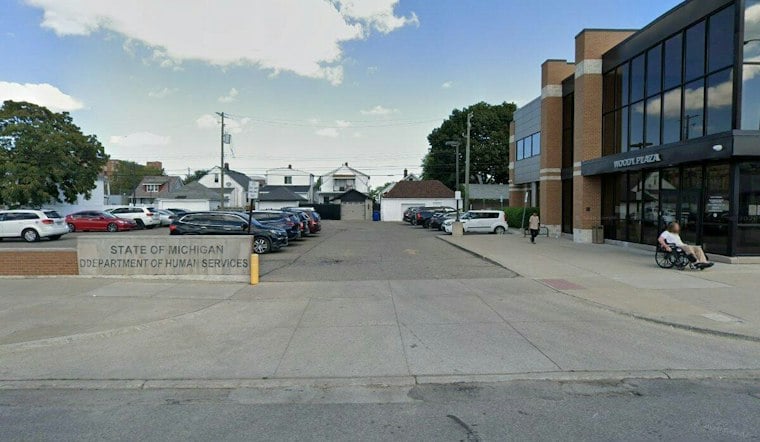
More than half of the children in Michigan's foster care system did not receive documented monitoring from the state meant to ensure their needs were being met, according to a new audit from the Michigan Office of the Auditor General. Of more than 5,000 children in foster care identified by the state auditor, only 2,200 had a record of monitoring by the Michigan Children's Institute.
The findings, first reported by CBS News Detroit, describe a gap between how many children the state is supposed to be watching over and how many actually have a documented check-in on file. As WCMU reported, during the audit period running from October 2023 through May 23, 2025, requests for investigative-report reviews only came up for roughly 2,200 of the more than 5,000 children in state care. The Michigan Children's Institute is tasked with monitoring foster care organizations, while the day-to-day direct oversight of children falls to individual foster care agencies, according to CBS News Detroit.
Adoption Approvals and Medical Consent Also Flagged
Beyond the monitoring gap, the audit raised concerns about how adoptions and medical decisions are being handled for children in state guardianship. In 55% of adoption approvals made at the county level, the local director did not receive permission from the MCI superintendent before signing off, the same WCMU report notes. Auditors also found that children sometimes underwent nonemergency medical procedures without MCI consent.
In response, MDHHS said it has hired a consultant to help review decisions and strengthen adoption-consent procedures going forward, per the outlet's reporting. The department now has roughly two months to come up with a plan addressing the audit's findings. Separately, people working alongside the state said the audit does not tell the full story, though the specifics of that pushback were not detailed.
Monthly Visits Are the Standard
Foster care workers are required to see children at least monthly in their foster homes, Guiding Harbor CEO Jennifer Trotter told CBS News Detroit. That monthly visit requirement is also confirmed by the Michigan Department of Health and Human Services, which lists once-a-month contact as the baseline standard for caseworkers checking on foster homes.
A System Still Struggling With Staffing
The monitoring gap lands alongside other recent findings about Michigan's child-welfare system. A separate audit covered by Metro Times found that in a sample of 10 cases, two children went without a primary caseworker logged in the state's MiSACWIS system for 172 days and 1,117 days respectively — more than three years in the latter case. During each of four weeks examined in January, all five of MDHHS's regional Business Service Centers had improperly assigned cases, averaging about 12 cases per week without a primary worker, and nearly half of the roughly 1,800 workers carrying primary cases also had secondary or courtesy assignments that weren't counted in caseload measurements at all.
That report also found MDHHS failed to comply with two of three recommendations from a 2021 child-welfare audit, with auditors deeming both unresolved issues serious enough to qualify as material conditions. The department's planned replacement for the aging MiSACWIS case-management system isn't expected to be finished until the end of 2028.
Investigations Delayed, Harm Reported
Michigan law requires child-welfare workers to begin an investigation into abuse or neglect, and critically, check on a child's safety, within 24 hours — but workers sometimes fail to meet that window, according to an audit reported by Bridge Michigan. That audit reviewed randomly selected cases drawn from roughly 68,000 abuse and neglect complaints received during the one-year period ending May 31, 2022. The state reported that 437 children were harmed while in the foster care system in 2023, though court-appointed monitors said that figure is possibly an undercount, the same report notes.
The auditor general's 88-page report updated a 2018 probe of Child Protective Services investigations that identified 17 serious problems with MDHHS's work. Federal oversight of Michigan's child welfare system traces back to a 2006 lawsuit filed by the advocacy group Children's Rights alleging widespread abuse and neglect of children in state care. Taken together, the new monitoring findings add another chapter to a system that has spent nearly two decades under scrutiny over whether it can keep track of the children in its care.





