

























































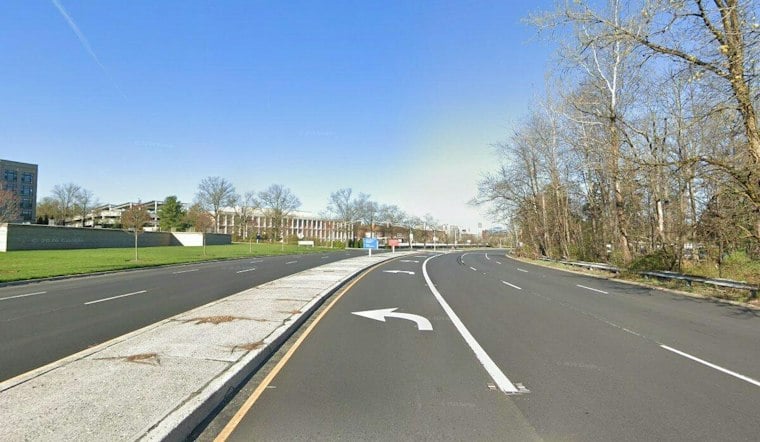
Millburn Township Committee authorized a memorandum of understanding with The Kennedy at Millburn LLC on October 20, locking in a framework for the long-discussed 111 JFK Parkway housing redevelopment. The deal pairs zoning changes with infrastructure money and a voluntary community gift, setting the stage for the next phase of a project that traces back to the township's 2021 affordable-housing settlement.
According to TAPinto Millburn/Short Hills, the memorandum addresses proposed zoning changes, infrastructure funding and a voluntary community contribution tied to the redevelopment. The Kennedy at Millburn LLC is the contract purchaser of the property, identified in township records as Block 5302, Lot 5.02.
As part of the agreement, the developer agreed to contribute $900,000 toward upgrades to the Hilton sanitary sewer pump station at 55 JFK Parkway, per the same report. That contribution will become a condition of any land-use approval granted for the project, meaning it isn't just a handshake promise but something that would be formally tied to future permits.
A Smaller Footprint, Same Unit Count
Millburn Township will amend its zoning to modify permitted stories, allowable amenities and access locations on the site, the agreement packet shows. Despite those changes, the zoning will not increase the permitted building height or the total number of residential units, and it will not alter the 20% affordable-housing requirement already in place.
The amended design is expected to reduce the proposed building footprint and impervious coverage compared with earlier plans, the agreement packet indicates. That detail matters for a site that has drawn attention in part because of its size and proximity to surrounding residential areas in Short Hills.
The developer also stated its intention to contribute $100,000 voluntarily toward refurbishment and improvement of the Bauer Community Center in Taylor Park. Notably, that community-center contribution is not required as a condition of rezoning or any governmental approval, according to the report — a distinction that separates it from the mandatory sewer funding.
Roots in the 2021 Housing Settlement
The overlay zone governing the property dates back to Millburn Ordinance No. 2585-21, which created an inclusionary multifamily zoning overlay on 5 to 8 acres of the parcel under the township's affordable-housing settlement, while leaving the existing underlying zoning in place, according to eCode360's record of Millburn Ordinance No. 2585-21. That ordinance permits up to 195 multifamily residential units in the overlay zone, with 20% set aside for low- and moderate-income households, and it was adopted subject to New Jersey Superior Court approval of the settlement agreement at a fairness hearing.
The scale of that obligation traces to a broader 2021 settlement requiring Millburn to provide the equivalent of 1,376 affordable housing units through 2025, as reported by Patch. At the time, the township had planned at least 194 affordable units across approved, under-construction and proposed developments to help meet that mandate, with the JFK Parkway parcel specifically earmarked for 195 residential units, including 39 affordable units. Patch's reporting also noted that the project required approval from New Jersey's Watershed Property Review Board.
A similar overlay structure was used elsewhere in Millburn: Ordinance 2593-21 created an inclusionary multifamily zone district for the so-called Annie Sez site at Block 705, Lot 2, permitting up to 150 multifamily units with the same 20% affordable set-aside, according to the Township of Millburn's Ordinance 2593-21. Both overlays stem from the township's broader effort to satisfy its court-mandated housing obligations through site-specific zoning agreements rather than wholesale rezoning.




