

























































Nearly 200 one- and two-family rental properties in Milwaukee's Uptown neighborhood are eligible for the city's new inspection pilot, a program Mayor Cavalier Johnson approved to crack down on neglected housing. The program covers roughly 399 housing units, and the city will request inspections by letter. It allows the city to inspect smaller rental properties without waiting for tenants to file formal complaints.
The Milwaukee Common Council adopted the legislative framework on September 22, approving File #260363 to establish the overarching Targeted Rental Property Inspection Program and File #260362 to formally designate Uptown as the city's first Rental Property Inspection District, according to Urban Milwaukee. CBS 58 reported on Mayor Johnson's signing of the pilot.
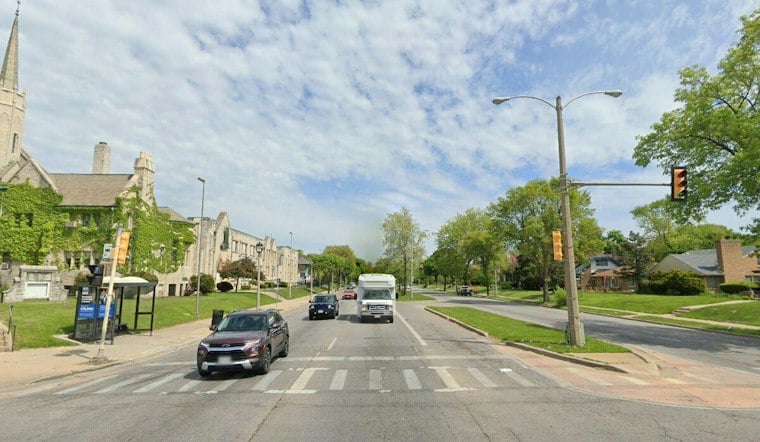
The designated inspection district is a tightly drawn zone bounded by West Center Street to the north, North Sherman Boulevard to the east, West North Avenue to the south, and North 50th Street to the west, with minor boundary jogs along North 46th Street and West Meinecke Avenue. Urban Milwaukee notes the area sits within the broader Uptown and Washington Park footprint that Johnson targeted during his 12-week Adopt-A-Neighborhood initiative over the summer.
Closing a Longstanding Regulatory Gap
Before this pilot, Milwaukee only mandated routine annual inspections for rental properties with three or more units, according to FOX6 Milwaukee's reporting on the proposal. Single-family homes and duplexes were subject to city inspection only when a tenant filed a formal complaint, a system tenant advocates say left vulnerable renters exposed to retaliation or displacement risk if they spoke up about poor conditions.
The pilot specifically targets about 200 eligible one- and two-family rental properties comprising roughly 399 housing units in Uptown, while explicitly excluding owner-occupied single-family homes, per Citizen Portal's coverage of the program's rollout. The pilot is limited to a targeted neighborhood.
Why Uptown Was Chosen First
CBS 58 reports that 62% of properties in the area have landlords who reside outside Milwaukee, while FOX6 Milwaukee reported that 28% of eligible properties are owned by landlords residing outside Wisconsin. Neighborhood associations have argued that absentee ownership correlates with deferred maintenance, since those landlords are less likely to notice or address problems without city oversight.
CBS 58 reports that 58% of rental properties in the area had at least one complaint in the last three years, while Urban Milwaukee reported 214 unique enforcement complaints in 2025 alone — an average of about 90 complaints per 100 eligible parcels. Mayor Johnson has described Uptown as a bright red hotspot on the city's heat maps tracking neighborhood housing concerns.
Tenant Consent Required Before Entry
Under the program's guidelines and state legal standards, city inspectors cannot enter a home without explicit tenant permission. If an occupant denies access, the proactive inspection process ends there unless the city secures a special inspection warrant, Urban Milwaukee reported. The program is intended to hold landlords accountable while taking pressure off tenants.
Property owners who pass their initial inspection, or who fix identified violations within 30 days, receive a five-year exemption from future proactive inspections, according to CBS 58. Owners who fail to make timely repairs can instead face annual re-inspections and fee assessments, though two consecutive clean annual inspections can restore a property's five-year exemption status.
A Gradual Rollout
Department of Neighborhood Services Commissioner Jezamil Arroyo-Vega said the city plans to roll out the pilot gradually, conducting approximately 20 initial property inspections per month across the Uptown district, per Urban Milwaukee's reporting. The program could serve as a template for other neighborhoods if successful.
Whether the program succeeds will likely hinge on how many tenants agree to let inspectors inside their homes, since the entire proactive model depends on voluntary access rather than compulsory entry. For now, the roughly 200 targeted properties in Uptown offer a test of whether a narrowly tailored inspection district can improve housing conditions.





