

























































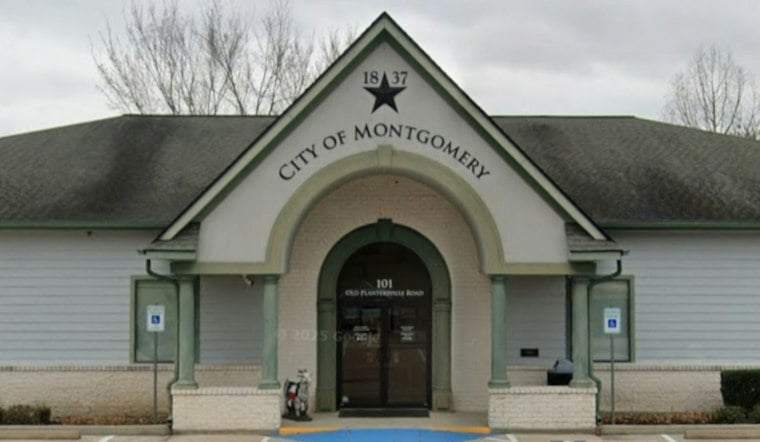
Montgomery County, just north of Houston, has added nearly 68,800 housing units since 2020 and grown by roughly 24.9 percent — even as federal hazard data marks it as one of the riskiest places in the country to build a home. It now ranks No. 2 among the nation's fastest-growing counties with elevated natural disaster risk, trailing only Brunswick County, North Carolina, which grew 26.5 percent over the same span southwest of Wilmington.
The ranking comes from a RealtyHomes analysis that layered Census population and housing estimates against FEMA's National Risk Index, limiting its scope to U.S. counties with at least 100,000 residents as of July 1, 2025, and FEMA risk ratings of relatively high or very high, according to chron.com. The outlet, in reporting by Molly Wilhelm, found that three Texas counties — Montgomery, Fort Bend, and Collin — placed among the top 10 fastest-growing counties nationally despite carrying elevated disaster designations. Fort Bend County, southwest of Houston, ranked No. 9 after growing approximately 17.4 percent since 2020, while Collin County, north of Dallas, ranked No. 5 with growth of about 20.6 percent. Denton County, in the northern Dallas-Fort Worth metro area, placed No. 11 with an estimated 16.9 percent growth rate and still made the broader top 25 list.
Collin County's Scale Stands Out
Collin County added more than 221,000 residents between 2020 and 2025, pushing its total population to nearly 1.3 million — a scale of growth RealtyHomes described as standing out even among the other fast-growing counties on its list. Some of that expansion includes separate developments: a planned 740-acre luxury hideaway in north Denton and an 80-year-old Denton ranch, identified as Harris Ranch, slated to become a 53-acre business park, chron.com reported, drawing on the same analysis.
Separate federal hazard data underscores why these counties draw scrutiny. FEMA NRI v1.20 figures compiled by RiskByCounty in March rank Harris County as the single riskiest of Texas's 254 counties, with a composite hazard score of 99.9 out of 100. Collin County ranks sixth statewide at 98.9, Fort Bend eighth at 97.5, and Denton tenth at 96.9; Montgomery County ranks 14th — meaning three of the four Texas suburban counties flagged in the growth rankings sit among the state's ten highest hazard-risk jurisdictions.
Flood Risk Reshaped by New Federal Modeling
Version 1.20 of FEMA's National Risk Index was released in December 2025. In June, FEMA separately released preliminary updated Flood Insurance Rate Maps for Denton County, adjusting flood risk boundaries and Special Flood Hazard Area designations across the fast-growing northern suburb.
Montgomery County's flood exposure carries a specific price tag. Inland and riverine flooding there accounts for an estimated $94.4 million in expected annual economic losses, according to property analytics site FludZone, which notes the county has been included in 19 federal flood-related disaster declarations.
Insurance Costs Climb Alongside Population
The financial strain of living in these counties extends well beyond infrastructure. Texas home insurance premiums rose 18.7 percent in 2024 before slowing to a 4.3 percent increase in 2025, per Texas Department of Insurance data reported by the Federal Reserve Bank of Dallas, as severe storm claims pressed insurers statewide. A separate study from Climate Power found Texas premiums grew 55.9 percent between 2020 and 2024, pushing the average annual bill to roughly $6,000 — nearly double the national average.
Renters aren't insulated from the exposure either. A Harvard Joint Center for Housing Studies report found that 18.2 million occupied rental units nationwide, or 41 percent of all U.S. rentals, sit in areas exposed to weather and climate hazards under FEMA's risk index, with Texas trailing only California and Florida in total exposed rental housing.
Infrastructure Struggles to Keep Pace
Local governments are racing to catch up with the growth. Hoodline has previously reported that Harris County's Subdivision Drainage Improvement Program, meant to protect roughly 45,000 suburban homes, faced a $130 million budget deficit in early 2025 due to post-pandemic construction inflation across 91 planned projects. Harris County itself is the fastest-growing county FEMA considers very high-risk, having grown 6.6 percent between 2020 and 2025 — notable given that FEMA labels 17 large U.S. counties very high-risk overall, and none of the others placed among the nation's 25 fastest-growing counties.
In fast-growing Waller County, population growth of 5.7 percent from mid-2024 to mid-2025 triggered severe water pressure drops as housing buildouts outpaced utility capacity — the kind of strain Hoodline has documented in Lakeview-area reporting.
Collin County, meanwhile, is turning to taxpayers and bond measures to fund the roads and facilities its growth demands, after setting an $817.5 million bond vote and hiking its property tax rate for the first time in 33 years. Together, the data paints a picture of suburban Texas counties where home construction, population growth, and disaster exposure are all accelerating in tandem — with drainage systems, water utilities, and insurance markets straining to keep up.





