

























































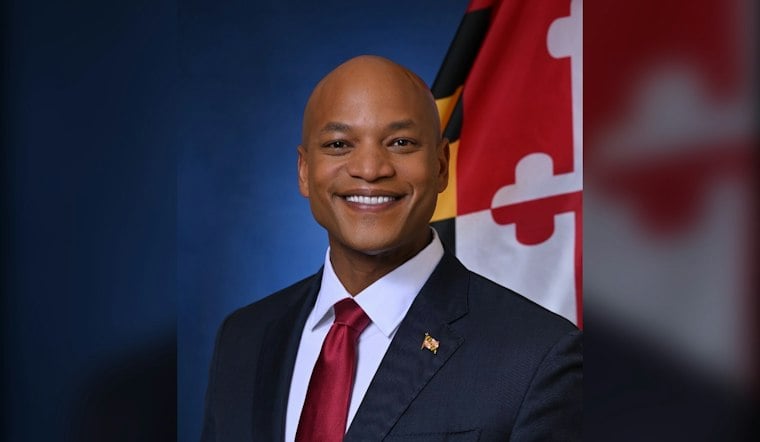
Gov. Wes Moore says President Donald Trump is getting at least one thing right: letting the federal government keep negotiating drug prices for Medicare. Speaking at a news conference in Baltimore, Moore said he wants Maryland to use those same federally negotiated prices as the basis for capping what the state pays for certain medications, even as he remains at odds with the Trump administration on numerous other fronts.
A Rare Point of Agreement
Moore said Trump's administration is doing something right on prescription drug prices, according to The Baltimore Banner. The federal government now negotiates drug prices for Medicare, a program that began under President Joe Biden and the Inflation Reduction Act of 2022 and has continued under Trump's administration, the Banner reports. Moore has deep disagreements with the federal administration on various other topics, but he credited Trump specifically for maintaining the Medicare drug price negotiation program and said the administration should not disrupt it if it's working.
Moore now wants Maryland to use Medicare's negotiated prices to cap costs within the state, and he endorses legislation that would let the Maryland Prescription Drug Advisory Board adopt some of those federal price limits directly. As the Banner notes, supporters say piggybacking off Medicare negotiations would accelerate Maryland's own drug-price review work, and the concept already has wide support in the Maryland General Assembly. The Daily Record reports that Moore wants to tie costs for Marylanders to the prices negotiated by the federal government, a framing echoed by The Daily Record.
Ozempic and Jardiance Already in the Crosshairs
Maryland has already moved on two popular drugs. The Prescription Drug Advisory Board has set limits on how much state and local governments will pay for the diabetes drug Jardiance and the weight-loss drug Ozempic in workers' health insurance plans, with those limits set to begin in 2027, the Banner reports. The board's work is expected to expand to private-sector insurance plans the following year.
There is some inconsistency in how finalized those limits actually are. The Daily Record describes the board as having already set upper payment limits for Ozempic and Jardiance for the state's county and state employees, while Maryland Matters reported in May that the proposals still needed to be published in the Maryland Register for 30 days before the board could take final votes. A Maryland board document reviewed separately shows the Jardiance upper payment limit is slated to apply to drugs dispensed, administered or purchased on or after January 1, 2027.
The Dollars Behind the Debate
Maryland already has upper payment limits set for state and local government health plans covering Ozempic and Jardiance, estimated to save the state about $6.1 million a year, according to WYPR. If the Ozempic limit were expanded to cover all Maryland health plans, not just the state's, Maryland Matters reported that projected savings could climb from $5.8 million a year to somewhere between $113 million and $165 million annually.
On the federal side, the station reports that Washington has set negotiated maximum fair prices for 25 drugs under Medicare. The first cycle of those negotiated prices took effect for ten prescriptions earlier this year and includes drugs like Ozempic and Xifaxan, per the same account. Fifteen more negotiated prices are scheduled to go into effect next year, and another 15 drugs have been selected for negotiation heading into 2028. Moore said people on Medicare are expected to save more than $1.5 billion on prescriptions this year alone.
Advocates and Industry Split on the Approach
Vincent DeMarco, head of the Maryland Citizens' Health Initiative, which has lobbied for drug price limits, said Trump's administration is implementing the drug price law well — even as he said Trump's broader health care actions have harmed tens of thousands of Marylanders and millions of Americans, according to the Banner's reporting. It's a split verdict that mirrors Moore's own stance of praising one policy while criticizing the administration elsewhere.
The pharmaceutical industry, unsurprisingly, isn't on board. The Pharmaceutical Research and Manufacturers of America opposed Maryland's bill, warning that government price-setting creates uncertainty for patients and risks limiting access to medicines, per WYPR. A separate industry statement to WBAL argued Maryland policymakers should instead focus on insurer and pharmacy-benefit-manager practices that drive patients' out-of-pocket costs.
What Upper Payment Limits Actually Do
Maryland is one of four states — along with Colorado, Minnesota and Washington — that have established prescription drug affordability boards with authority to set upper payment limits, according to an analysis from AJMC. Colorado's board already set the nation's first such limit, on a drug called Enbrel, Maryland Matters has reported. But AJMC cautions that a payment limit only caps what a payer reimburses pharmacies and providers — it doesn't lower what those providers pay to acquire the drug, require coverage of it, or guarantee lower costs for patients at the pharmacy counter.
The same analysis, citing a National Pharmaceutical Council review, flagged potential risks including worsened formulary coverage, higher cost sharing and increased utilization management, and warned that reimbursement could fall below acquisition cost — potentially leading some pharmacies and providers to stop stocking affected drugs. AJMC also noted that early evidence from the Inflation Reduction Act's federal negotiation program suggests it may offer only limited reductions in what patients actually pay out of pocket, even as it introduces its own access risks. Separately, NPR has reported that a related Trump administration effort to extend lower prices through Medicaid has been plagued by uncertainties, delays and a general lack of transparency, and that the pilot relies on voluntary participation from both drug companies and individual states.





