

























































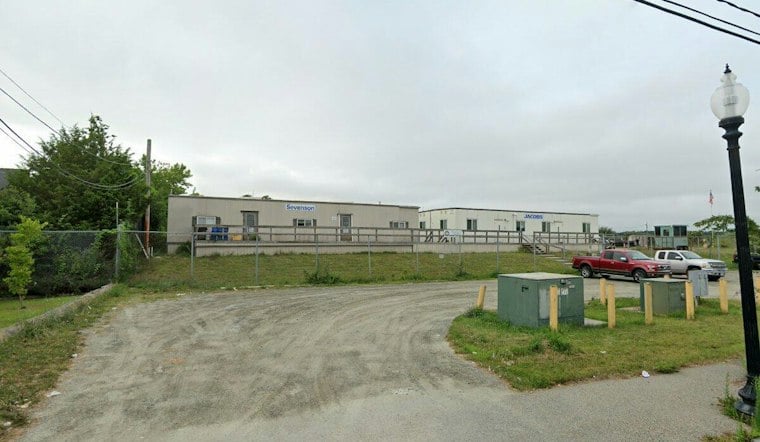
The U.S. Environmental Protection Agency is proposing to remove PCB-contaminated soil from the city-owned property at 103 Sawyer St. The work would address a parcel that has supported the New Bedford Harbor Superfund cleanup for decades and could make the site available for new uses, including housing. The proposal calls for excavating contaminated soil and replacing it with clean fill.
Under the proposal, contaminated soil would be excavated to a depth of three feet and replaced with clean soil, according to New Bedford Guide. The plan would also establish land-use controls that could allow the City of New Bedford to pursue residential development. If deeper PCB-contaminated soil is disturbed in the future, it would require a formal soil management plan, the outlet reported. EPA Regional Administrator Mark Sanborn called the proposed work “an important step as we near completion of the New Bedford Harbor Superfund Site cleanup,” according to New Bedford Guide.
EPA Project Manager Chris Kelly described the work as removing soil and replacing it with new soil up to three feet below the surface, according to The New Bedford Light. Kelly estimated the remediation would take about six months, the Light reported. The Light also reported that in-water harbor cleanup was completed in late 2025, leaving the Sawyer Street property as a focus of remaining work.
A Site Shaped by Decades of Industrial Use
The City of New Bedford has owned 103 Sawyer St. since the 1940s, and the EPA has performed remedy support work there since the 1980s, according to New Bedford Guide. The property previously hosted the cleanup project's desanding facility, The New Bedford Light reports. An 11-foot-tall mound of dirt on the easternmost side near the water covers a containment cell and limits how that part of the site can be used, the Light reported.
The Cleanup's Earlier Role—and a Separate PCB Example
EPA's 2005 account documents an earlier role for the Sawyer Street property: dredged harbor sediment was pumped there for processing at the agency's desanding building. That record describes a cleanup operation; it does not establish the origin of the harbor's PCB contamination. The local cleanup has since included harbor sediment removal and in-water work, with the Sawyer Street parcel now part of the remaining effort. A separate EPA example illustrates the difference in scale and setting: cleanup of more than 6 million cubic yards of PCB-contaminated sediment across Wisconsin's Lower Fox River was completed in 2020 and officially certified by EPA in October 2022. That river-wide sediment project is distinct from the proposed shallow-soil excavation at the New Bedford parcel, according to the EPA's 2005 account and its Lower Fox River cleanup record.
Monitors detected PCBs below three feet of soil along the site's northern edge, so that area would require separate land-use controls, the Light reported. The property is zoned for mixed-use development, but not single-family development, according to the same report.
Cost, Maintenance and a Containment Cell That May One Day Disappear From View
The remediation is estimated to cost about $9.25 million, including 30 years of maintenance and monitoring, The New Bedford Light reports. EPA Project Manager Chris Kelly said he expects the city and EPA to enter a cooperative agreement for ongoing site maintenance, according to the Light.
At a public forum, resident Buddy Andrade asked about the capped containment cell's potential effect on groundwater, the Light reported. MassDEP project manager Peter Zawadzkas said PCBs in soil have a very small chance of leaking into groundwater, according to the same account. New Bedford requires the area to be connected to city water, and the waterfront site's brackish water is not used for drinking, the Light reported.
Kelly said grass and other vegetation could eventually grow over the containment cell and help it blend into its surroundings, The New Bedford Light reported. The EPA had considered using waste cells to bury all of the harbor's PCBs but did not pursue that approach further after community pushback, according to the Light.
Riverwalk Plans and the Question of Housing
New Bedford is in the pre-construction process of building Riverwalk, a waterfront park system along the Upper Harbor and Lower Acushnet River that would include the eastern side of the Sawyer Street property, The New Bedford Light reports. In a Thursday email, Jack Thuon said the city is actively considering ideas for 103 Sawyer St., including residential housing, according to the Light. The city has no concrete plan for condos or an apartment building there, the Light reported. Kelly said the site could theoretically be ready for mixed-use development, including condos or apartments, as soon as summer 2027.
The EPA’s virtual public meeting about the draft eighth Explanation of Significant Differences for the New Bedford Harbor Superfund Site took place Wednesday, October 28, 2026. The broader cleanup included removing roughly one million cubic yards of PCB-contaminated sediment from the harbor; the EPA reported that Superfund subtidal dredging was completed by February 2024. The agency's cleanup update says remaining work is focused on the Sawyer Street operation.





