

























































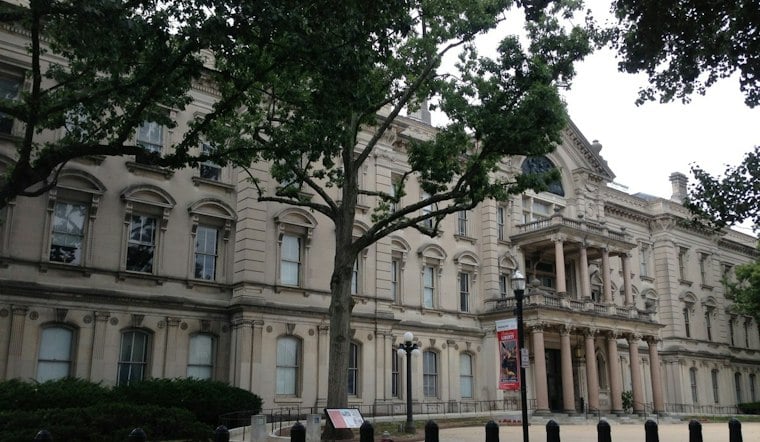
Child care in New Jersey has climbed to the point where monthly bills can rival a mortgage payment, according to parents and providers who testified before state lawmakers this week. The Statehouse hearing in Trenton on Thursday drew child-care operators and families describing a system where a pay raise can cost a family its subsidy, and where a funding freeze last year left some households stranded without the help they were counting on.
A Funding Freeze That Rippled Through South Jersey
New Jersey froze additional funding for its Child Care Assistance Program in July 2025, leaving families who expected assistance stranded, according to the Philadelphia Inquirer. The state separately confirmed it had stopped accepting new applications in August because of limited funding, though children already enrolled kept receiving assistance, according to WHYY. The state later planned to reopen the program in December 2025 for a limited number of slots, with new children entering in January, the station reported.
Gov. Phil Murphy allocated $79.5 million for the program in this year's budget, including a $46 million increase, per the same WHYY report. The program was funded to support 75,000 children, with the state estimating that an additional 3,000 to 5,000 children could be served through the end of the fiscal year. Still, as of January 2026, the department was receiving applications again but availability remained limited, with no additional fiscal-year 2026 funding provided at that point, according to NJBIA.
Providers Say Mothers Are Leaving the Workforce
At Glassboro Child Development Centers, some mothers in families served by the center left the workforce altogether after the disruption, while other families moved out of the area to live with relatives who could help, and some turned to inadequate child-care arrangements, per the Inquirer's reporting. Joan Dillon, who has served families in child care since 1985 and has led the Glassboro centers for 22 years, according to her bio on South Jersey Kids, testified to roughly 20 Assembly members at the Statehouse hearing. Dillon said early education should be recognized as education before age 3, the Inquirer reported, and providers told the paper that subsidies cover only one-third to one-half of the actual costs of rent, utilities, and trained educators.
One Burlington County provider, Kayanna Jackson, who owns Angel Touch Nature Preschool in Southampton, has allowed parents to skip or delay payments when they were struggling to keep their jobs, according to the Inquirer. Speaking on the Statehouse steps, Jackson said tax dollars should be invested in changes that strengthen communities and support future generations. The Inquirer also reported that the expansion of free pre-kindergarten has hurt small and family-run child-care businesses across the state.
Polling Shows a Statewide Squeeze
The hearing landed days after a Rutgers-Eagleton poll, conducted September 24-27, found that 46% of applicable respondents called child-care expenses very difficult to afford and another 27% called them somewhat difficult, according to ROI-NJ. Poll director Ashley Koning told the outlet that the underlying trend is intensifying: in every cost category tracked, fewer residents call expenses somewhat difficult and more call them very difficult.
Separate findings from the same poll, reported by NJBIA, found only 11% of surveyed adults said finding quality, affordable child care was very or somewhat easy, while 55% called it somewhat or very difficult. More than half, 53%, viewed the lack of affordable child care as a major barrier for parents who want to work, and 65% said the shortage affects the state's businesses and economy a great deal or some. Forty-three percent favored increasing state child-care spending, compared with 15% who wanted it decreased, per NJBIA's report on the poll.
Lawmakers Weigh a $35 Million Expansion
Assemblyman Brian Bergen, who serves on the Assembly Commerce and Economic Development Committee, said he would support adding $35 million to expand the subsidy program and suggested budget cuts elsewhere could fund the proposed expansion, according to the Inquirer. Assemblyman William Spearman, who chairs the Assembly Commerce Committee, suggested adjusting the program's income limits to reflect family income after taxes rather than before.
Strong Start New Jersey, a campaign led by child-care providers and nonprofits, has proposed $35 million a year in each of the next three state budgets to expand subsidies, the Inquirer reported. The current Child Care Assistance Program served about 70,000 working-poor families statewide in 2025 at a cost of $870 million, per the same report. Families become ineligible for subsidies once their income exceeds 200% of the federal poverty rate, which Strong Start New Jersey organizer Sharon Levine said equals $66,000 for a family of four; Levine said the proposed expansion would allow 3,000 more families a year to qualify.
That eligibility cliff is at the center of what advocates describe as an affordability gap: working families with young children often earn too much to qualify for subsidies but not enough to afford child care unaided, the Inquirer reported. New Jersey child-care rates for infant care run $1,600 to $2,200 a month, according to state market data cited in the Inquirer's reporting, while toddler care runs $1,400 to $1,900 a month — on top of other basic needs. The paper also noted that child-care options remain scarce for working- and middle-class families in Gloucester County, where Dillon opened a center for 46 infants and toddlers in June 2025.





