

























































New York is putting $10 million in federal money toward a plan to get mental health professionals working alongside primary care doctors in eight rural and community health centers across the state. The new ACCESS-NY initiative, funded over five years, aims to bring integrated behavioral health and substance-use treatment into clinics that already serve some of the hardest-to-reach patients in New York.
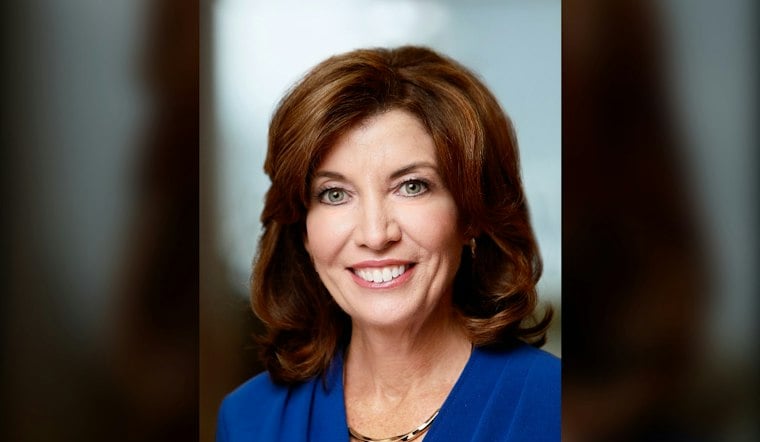
Gov. Kathy Hochul's office announced the award Tuesday, according to uticaphoenix.net. The New York State Office of Mental Health will administer the program, which is designed to strengthen partnerships between primary care practices and community mental health centers, per the outlet's reporting. Hochul said the funding will help providers integrate behavioral health services into primary care and reduce barriers to access in less-populated areas of the state, as nny360.com reported.
ACCESS-NY is aimed at practices that serve large numbers of patients dealing with complex physical and behavioral health needs, including communities that face barriers to care, the outlet reported. The state has not yet identified the eight participating practices, according to the same report.
How Many Patients Will Be Served — And How Much Money, Exactly?
Both outlets estimate that the initiative will serve about 1,750 people age 6 and older with chronic physical conditions alongside mental health or substance-use challenges. On funding, uticaphoenix.net reported that the Substance Abuse and Mental Health Services Administration provided $4 million at the start of the grant, while nny360.com reported that the $4 million covered the first two years. Both outlets agree the agency plans to add $2 million in each of the final three years of the five-year grant.
Adding Psychiatric Support to the Checkup Room
The initiative will expand New York's existing Collaborative Care Model by adding a psychiatric consultant and a behavioral health care manager to primary care teams, according to nny360.com's report. That model supports treatment and medication management in the same setting where patients already receive their physical health care, the outlet noted. ACCESS-NY will also provide staff training and support technology compatible with electronic health records, per uticaphoenix.net, and the state plans to develop online training while exploring whether credentialed mental health support specialists and registered nurses could join care teams.
New York first began supporting the Collaborative Care Model in 2012. Since then, the state's footprint has grown substantially: both uticaphoenix.net and nny360.com reported that the model expanded to more than 450 physical health practices statewide. Office of Mental Health Commissioner Ann Sullivan said the approach offers an opportunity to address patients' mental health needs in a familiar setting, according to the reporting.
Rural New York's Mental Health Gap
State Sen. Samra Brouk said rural residents often face obstacles to obtaining care and praised the funding to expand the Collaborative Care Model and invest in rural providers and community-based specialists delivering quality mental health services. Her comments echo a broader pattern documented in a 2025 rural health needs assessment covering New York's 44 rural counties, which found that accessibility — driven by wait times, provider shortages, transportation barriers and unreliable broadband — is the central and unifying challenge facing behavioral health care outside the state's cities, according to the New York State Association for Rural Health.
The assessment also describes provider shortages and broadband limitations as rural challenges. Adult depression or anxiety diagnoses range from 15% to 34% across rural counties, the assessment found, and more than 40% of youth in Ontario and Madison counties reported feeling sad or depressed most days.
A separate 2025 report from the New York State Office of the State Comptroller found shortfalls in primary care, pediatric, obstetric and gynecological, dental and mental health professionals across rural New York. For now, state officials have not said which eight clinics will receive the new ACCESS-NY support, leaving rural communities watching to see whether the promised psychiatric consultants and care managers will land in their own backyards.





