

























































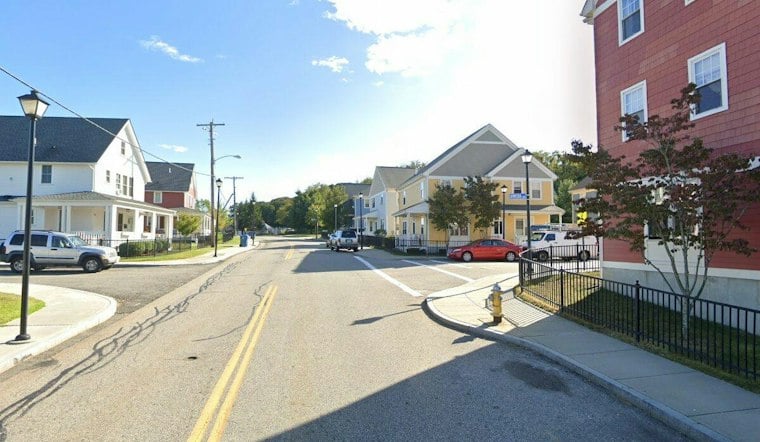
It now takes an annual income of $459,600 to afford a median-priced single-family home in Newport, according to new figures that lay bare just how far the city’s housing market has drifted from what its residents actually earn. Newport’s median household income sits at $86,313 — a gap of well over $370,000 between what families bring home and what the market demands.
The numbers come from a housing fact book highlighted by What's Up Newp, which reports that Newport’s median single-family home price reached $1,510,000 by the end of 2025. That price has climbed 94 percent since 2020, the outlet notes, a surge that has far outpaced any realistic wage growth for the people who actually live and work in the city.
Newport’s math is extreme, but it is not an outlier in Rhode Island. Statewide, a household needs close to $130,000 in annual income to afford a median-priced single-family home — more than $40,000 above the median household income, which What's Up Newp puts at $87,796, while Ocean State Media cites the figure as $86,372. Either way, the typical Rhode Island family falls tens of thousands of dollars short of what it would take to buy the typical Rhode Island house.
No Town Where the Math Works
That shortfall isn’t confined to the East Bay or the islands. HousingWorks RI’s 2025 Fact Book, as reported by Ocean State Media, found there is no city or town in Rhode Island where the typical household can afford a single-family home. Even Pawtucket, identified as the state’s most affordable community with a median home price of $385,000, would require a household income of about $128,000 to buy in — still above what most local families earn.
A separate analysis published by The Boston Globe, authored by Dan McGowan and distributed through its Rhode Map newsletter, put Block Island, formally known as New Shoreham, at $521,723 in required household income to buy a median-priced home, according to The Boston Globe.
Even the state’s most affordable place to buy, Pawtucket, carries steep requirements. A separate HousingWorks RI municipal fact sheet shows Warwick’s median single-family home price at $410,000, a monthly housing payment of $3,470 and an income requirement of $138,786. That same fact sheet put Warwick’s average two-bedroom rent at $2,357 a month, requiring an income of $94,280 to afford it.
Wages Have Not Kept Pace
The underlying problem, according to Ocean State Media’s review of the HousingWorks RI data, is a widening gap between what homes cost and what people earn. The statewide median home price jumped from $288,792 in 2019 to $475,000 in 2024 — a 64 percent increase in five years — while wages rose only 29 percent over the same period, per the outlet’s reporting. A separate account from Rhode Island Current frames the trend similarly: since 2018, wages have risen less than 30 percent, while housing costs have climbed more than 60 percent.
The strain shows up in household budgets across the state. About one-third of Rhode Island households — 148,766 in all — spend more than 30 percent of their income on housing, Rhode Island Current reports. Ocean State Media’s review of the same HousingWorks RI findings adds that one in seven Rhode Island households spends more than half of its income on housing. The state’s fastest-growing job sectors offer little relief: HousingWorks RI found that 78 percent of Rhode Island’s 20 fastest-growing occupations, including bakers, cooks and welders, don’t pay enough to afford an average two-bedroom apartment, according to the same Rhode Island Current report.
New Construction, but a Long Way to Go
There are signs of movement on the supply side. Rhode Island issued permits for 3,778 housing units in 2025, a 34 percent increase from the previous year, the Rhode Island Current report states. Permits for buildings with at least two units rose 60 percent to 2,698, while permits for accessory dwelling units — smaller homes built on an existing property — increased 76 percent to 287. State officials have set a goal of 15,000 new homes permitted by 2030, according to Ocean State Media.
Housing costs have also become a defining issue in Rhode Island politics. Per the Globe’s reporting, the topic figured prominently in both the 2026 Providence mayoral race and the Rhode Island gubernatorial race, with candidates for Providence mayor and governor offering contrasting visions for how quickly the state should build affordable homes. HousingWorks RI, which compiles the annual fact book covering all 39 Rhode Island municipalities, continues to track the gap between wages and home prices as the state weighs how aggressively to pursue new construction.
Foster’s median single-family home price was $480,000, a reminder that even towns far from the coast are not immune to the price pressure reshaping the state’s housing market.



