

























































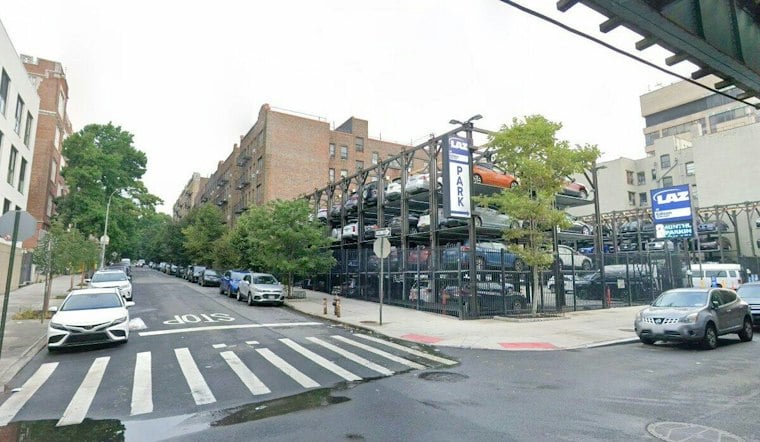
Nine people were injured Tuesday night when a pipe burst and set off a small explosion at a Manhattan subway train yard near West 212th Street and 10th Avenue, according to the FDNY. The blast struck one of the busiest industrial corners of Inwood, a neighborhood better known to most New Yorkers for the elevated 1 train rumbling overhead than for what happens behind its fences.
The site is part of the MTA's 207th Street Yard and Overhaul Shop, which according to Wikipedia is one of only two heavy overhaul and major maintenance repair facilities serving the entire New York City Subway system. CBS News New York reported that nine people were hurt during a small explosion at the train yard.
The facility handles heavy equipment overhauls for subway cars across both the A and B Division fleets, meaning the yard isn't a simple storage lot but a working industrial plant where crews service subway cars, per the same Wikipedia entry on the system's rail yards.
A Sprawling Facility With Deep Roots in Upper Manhattan
The 207th Street Yard was built between 1925 and 1930 for the city-owned Independent Subway System. According to TrainWeb, the complex spans roughly 36.5 acres along the Harlem River between West 207th and West 215th Streets, making it one of the larger subway support facilities in the city.
Getting trains in and out of the yard wasn't always simple. The nycsubway.org wiki notes that the MTA didn't open an elevated flyover bridge allowing IRT Broadway–Seventh Avenue Line trains direct access to the Independent Subway-built shop until December 1988 — before that, trains needed multi-hour detours across several lines to reach it.
A September 2026 Napoli Shkolnik article, citing a Gothamist report, said equipment and infrastructure failures accounted for 31% of NYC subway delays in 2024, up from 24% the year before, with subway car breakdowns alone causing 77 major service disruptions in the first half of 2025.
A Flood-Prone Site With a Buried History
The low-lying Harlem River location has its own history of vulnerability. The yard suffered severe flooding during Superstorm Sandy, when floodwaters entered subway tunnels directly through the facility's track portals, prompting the MTA to invest in multi-million dollar flood mitigation and roof replacement projects across the complex, per INFOTRAN.
Long before any of that infrastructure existed, the land at West 212th Street and 10th Avenue held a very different purpose. The site once housed the historic Nagle Cemetery; its remains were moved to Woodlawn Cemetery, with 417 bodies disinterred and transferred in 1926, according to the Manhattan Times. The property also borders a historic colonial-era African slave burial ground.
Legal Deadlines Loom for Anyone Hurt on MTA Property
Should any of the nine injured pursue legal action, they would face a tight clock. A formal Notice of Claim against the MTA generally must be submitted within 90 days, with claimants ultimately facing a one-year-and-90-day statute of limitations for filing formal court cases, per AEE Law.
It's a reminder of the stakes involved for riders using the nearby elevated 207th Street station, right next to the yard where Tuesday's blast occurred, Wikipedia notes.
No further details on the cause of Tuesday's pipe burst or the extent of the nine injuries have been released.





