

























































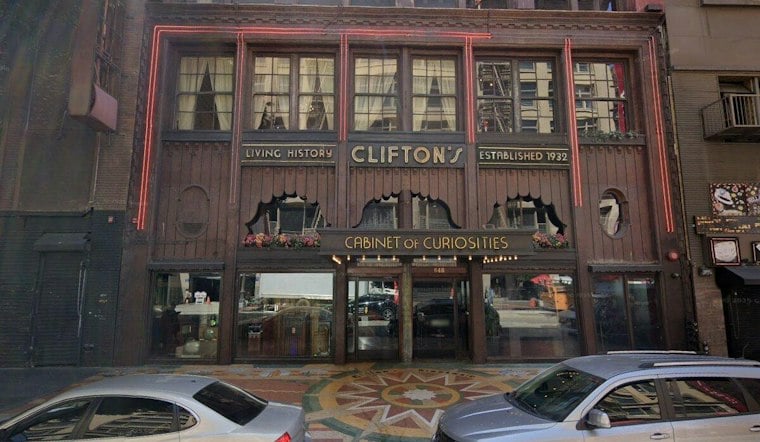
About 200 people gathered at downtown Los Angeles’s Clifton’s for a recent screening of Niu Lai, a Chinese animated film that went from a poor box-office opening to a major hit at home. LAist reported that the film was shown from a bootleg feed and that a performer in a full cow costume did a slow striptease. The unusual staging made the film itself part of a live gathering, rather than simply a movie on a screen.
A film that traveled through online clips
Niu Lai—an 86-minute, crudely animated story about a baby cow—was made by a self-taught mother-and-son team, according to The Conversation. The film earned 342 yuan on its opening day and around 7,700 yuan in its first ten days, the outlet reported, before later taking in more than 45 million yuan in China. Those figures mark a dramatic reversal, but they do not by themselves explain how the film found its audience.
One documented part of that story is the circulation of theater-recorded clips. BBC News 中文 reported that early viewers posted clips online, quickly drawing widespread discussion. In Los Angeles, the film reached Clifton’s by a different route: LAist described the screening copy as a bootleg and reported that the movie was not available in U.S. theaters or on streaming services. These accounts show online sharing and an unconventional local screening in the film’s wider story, without establishing that one directly caused the other.
Moviegoing as an event
The cow-costumed performance puts the Clifton’s gathering in the broad company of screenings where activity around the film is part of the occasion. A better-known, distinct precedent took shape at New York City’s Waverly Theater in April 1976: HISTORY reports that Rocky Horror Picture Show fans came in costume, shouted at the screen and danced in the aisles. The settings and forms of participation differ; the comparison is about audiences making moviegoing social, not a claim of direct influence.
Clifton’s adds a local layer to the setting. PBS SoCal notes that the Broadway location opened in 1913 as a Boos Brothers Cafeteria before Clifford Clinton transformed it into Clifton’s Brookdale. Social screenings have other forms, too: Hollywood Forever says it has partnered with Cinespia since 2002 on summer outdoor film screenings, where people gather on Fairbanks Lawn with picnic baskets, blankets and chairs. That outdoor series is a separate example of films as a shared occasion, not evidence of a connection to the Clifton’s event.





