

























































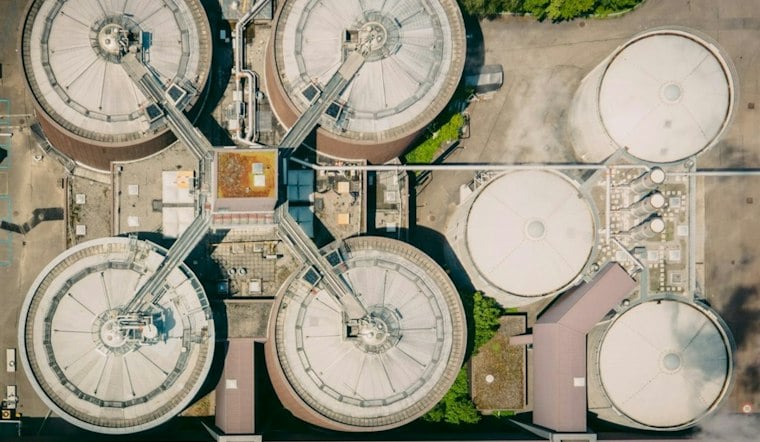
Norfolk City Council unanimously approved a $37.6 million project Tuesday to rebuild the high-pressure pump station at the Kristen M. Lentz Water Treatment Plant in Lamberts Point. The work is intended to renew equipment that supports drinking-water delivery to tens of thousands of homes across the city.
The Daily Press reported that the project will replace the existing station with a new structure for pumps, motors, controls and pipework, as well as updated electrical, mechanical, heating and air systems. City spokesperson Kelly Straub said the existing equipment has exceeded its useful lifespan and that replacing it is needed to maintain expected service.
Why This Pump Station Matters So Much
The pump station is part of the system that delivers water to customers and maintains pressure across Norfolk’s distribution network, Straub said. The Lentz plant pumps 20 million gallons a day—enough to serve the equivalent of about 64,000 single-family homes, according to figures Straub provided to the Daily Press.
The plant sits at 3700 Powhatan Avenue, a detail confirmed by the city's own facility listing. It's worth noting the plant is a distinct operation from the nearby Hampton Roads Sanitation District's Virginia Initiative Plant at 4201 Powhatan Avenue, which handles wastewater rather than drinking water — two very different jobs happening blocks apart from each other.
How the Plant Fits Into Norfolk’s Water System
According to Norfolk’s 2024 Consumer Confidence Report, raw water is filtered and disinfected at one of the city’s two treatment plants, then pumped on demand to homes and businesses. The report’s description does not specify whether the plants are interconnected or quantify backup capacity.
How Norfolk Is Paying For It
Of the $37.6 million price tag, roughly $25.1 million will be transferred from capital improvement funds that the city had already set aside for water treatment plant upgrades. The rest will be drawn from water fund closeout funds and the broader water fund balance, the report notes. Those closeout funds are made up of a combination of bonds and cash left over from projects that are five years old or older.
Straub said no money is being diverted from other open capital improvement projects to cover the cost, according to the same report. That assurance matters for a city juggling multiple infrastructure priorities at once, especially as water and sewer systems across the region show their age.
A Pattern Playing Out Across Hampton Roads
Norfolk's project isn't happening in isolation. The Hampton Roads Sanitation District has been tackling its own aging pump-station problems nearby. Its South Norfolk Pump Stations and Sanitary Sewer Replacement Project, which began in summer 2022, carries an estimated cost of about $35.8 million and spans three phases to replace two deteriorating sanitary sewer pump stations along with their associated pipes, per HRSD. Final construction on that project is expected to wrap by late 2027.
HRSD has also completed a smaller but similar job: replacing the Willard Avenue Pump Station at 219 National Avenue and its associated gravity sewer lines, a project meant to resolve capacity, operational and maintenance issues as the old station neared the end of its life. That $16 million project, financed through wastewater treatment fees paid by HRSD customers, was marked complete in September, with the agency maintaining a one-year warranty period with its contractor.
Together, the projects paint a picture of an aging regional water and sewer network that's reaching a replacement point all at once — pump stations built decades ago now straining under modern demand and wear. For Norfolk, the payoff is keeping water pressure steady for the tens of thousands of households that rely on the Lamberts Point plant every day.





