

























































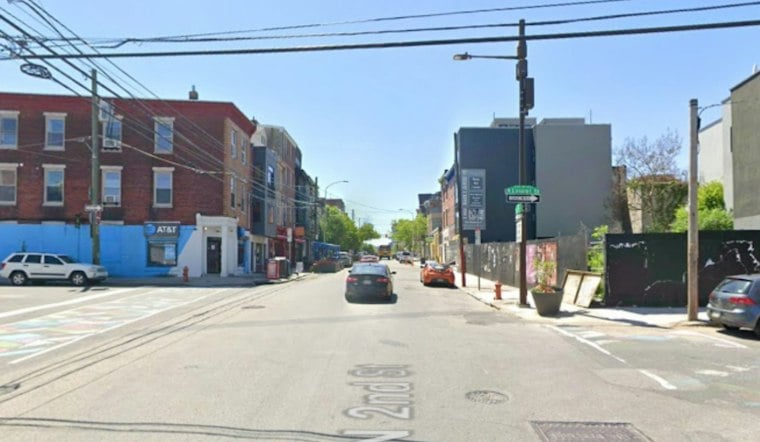
A James Beard Award-winning bartender and his wife are preparing to pour their first round of drinks in Philadelphia. Danny and Katie Childs plan to open Field Day at 923 N. Second St. in Northern Liberties, bringing a cocktail philosophy built on foraging, fermentation, and a backyard garden to a 50-seat dining room staffed by 25 employees.
The planned opening follows a long runway. An earlier report from the Philadelphia Inquirer had the couple planning to open Field Day in Northern Liberties in September 2026, but a more recent report from Philadelphia magazine, published October 20, said the bar would open Wednesday, October 21, rather than confirming that it had opened. Its food and drink menus pull from well beyond Philadelphia's borders, drawing on ingredients and culinary traditions from Appalachia, Lancaster County, South Jersey, the Shore, and the Chesapeake Bay, per the same account.
36 Cocktails, a Leather Menu, and a $15 List for Regulars
Field Day's drink program is not shy about scope. The bar's keystone-stamped, leather-clad Field Guide menu contains 36 cocktails, the Inquirer reports, while a streamlined $15 Holler list offers nine drinks with no notes attached, aimed squarely at neighborhood regulars rather than tourists chasing a tasting menu of flavor descriptions.
Upstairs, the operation runs deeper than the bar top. Field Day's second-floor lab supplies both the kitchen and bar with sodas, kombuchas, misos, pickles, and hot sauces, according to Philadelphia magazine. Danny Childs spearheads fermentation projects there, including miso made from stale tomato pie.
Nine Years in Cherry Hill Built the Blueprint
None of this started in Northern Liberties. Childs spent nine years developing the beverage program at Cherry Hill's Farm & Fisherman Tavern before leaving to focus on Slow Drinks full-time. He also undertook an anthropological trek through South and Central America to study botanical practices. His background includes anthropology and ethnobotany training.
That foundation became a book. Childs's Slow Drinks is a James Beard Award-winning botanical beverage and preservation book. According to 6abc, the book teaches readers how to turn ingredients they forage, grow at home, or buy at a farmers market into drinks.
From Ethnobotanist to Consultant
Childs has worked as a beverage consultant, including for Philly cocktail bar Almanac, before opening his own place. His Pennsauken, New Jersey garden covers a third of an acre and produces more than 100 species of fruit, vegetables, herbs, and flowers each year — the kind of supply line that makes a 36-cocktail, fermentation-heavy menu possible.
The couple also brought in help to run the business side of the growing operation. Danny and Katie Childs hired Canyon Shayer, a Philadelphia Distilling and Heaven Hill alum, as COO and director of culture for the Slow Drinks S corporation in summer 2026. It is a structure built for more than one bar, reflecting an ambition that stretches past Northern Liberties.
A Pitch to the Rest of the Industry
Childs has been making that pitch at Tales of the Cocktail, a drinks-industry conference held in New Orleans. He was among the presenters of a session called The Slow Beverage Movement, part of a sustainability course aimed at hospitality professionals looking to bring more environmentally friendly practices into their businesses. Childs told the crowd that the food world's decade-and-a-half obsession with local ingredients, seasonality, and fermentation — as he put it, speaking to Nola.com, “What's been the obsession of the food world for the last 10-15 years? It's been ingredients from the local area, seasonality and process, especially fermentation” — ought to extend into what's in the glass.
Field Day puts Childs's approach to work at a bar with a second-floor fermentation lab on North Second Street. Whether that approach takes root at bars beyond Northern Liberties remains an open question.





