

























































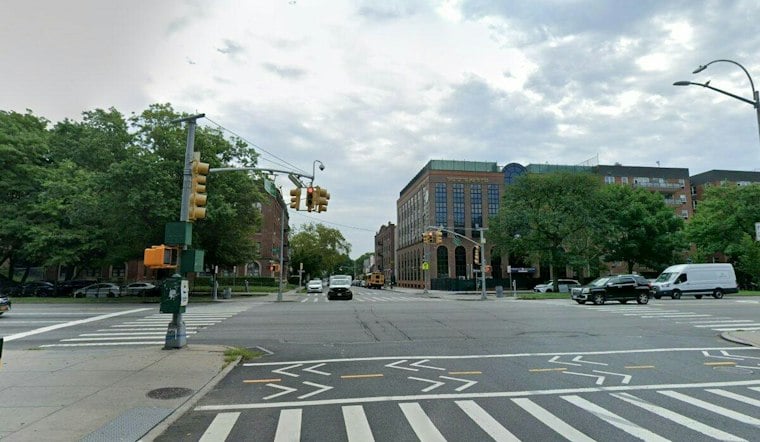
New York City has installed red-light cameras at 600 intersections citywide, reaching the maximum number allowed under state law. The milestone, confirmed this week, caps a buildout that began after Albany lawmakers more than tripled the city's camera cap in 2024.
City officials deployed the cameras to all 600 intersections, according to a report that also notes the figure represents the ceiling set by New York State law. As the New York Daily News reported, New York State lawmakers authorized the expansion in 2024, raising the cap from 150 intersections to 600. The change amended Vehicle and Traffic Law Section 1111-a, according to the bill text filed with the New York State Senate.
The Mamdani administration set the finish line itself. The administration announced its intention in January to have all 600 intersections covered by cameras before the year was out, and the city now says it has delivered on that promise. New York City Transportation Commissioner Mike Flynn said the city completed its commitment to expand red-light camera coverage this year, adding that the cameras save lives and change driver behavior.
Why City Hall Pushed for More Cameras
Mayor Zohran Mamdani said red-light cameras hold dangerous drivers accountable, prevent crashes, and make streets safer. City officials framed the expansion as a response to what they described as an unacceptable, selfish, and dangerous rise in red-light running on city streets since the pandemic.
The numbers behind that framing are stark. According to city data cited in the same report, 22% of fatal collisions at intersections between 2023 and 2025 involved a vehicle blowing through a red light. New York City has roughly 13,700 intersections with traffic signals in total, meaning the 600 camera locations still cover only a fraction of the city's signalized crossings.
Each camera works the same way: a vehicle photographed entering an intersection after the light turns red triggers an automatic $50 ticket mailed to the registered owner, according to the New York City Department of Transportation. The agency's program treats the violations like parking citations, and the Insurance Institute for Highway Safety notes that this structure can make a registered owner responsible for the fine regardless of who was actually behind the wheel.
Most Drivers Caught Only Once or Twice
City data shows the cameras are not simply hammering the same repeat offenders. Ninety-five percent of vehicles ticketed through the program last year received no more than two red-light camera violations, per the figures cited in reporting on the expansion.
National crash data underscores what's at stake. The Insurance Institute for Highway Safety reports that 1,119 people were killed and more than 141,000 were injured nationwide in red-light-running crashes in 2024. A review of controlled studies cited by the same organization estimated that red-light cameras reduce all injury crashes by 20% and right-angle injury crashes by 29%, while a separate institute study found cameras cut the fatal red-light-running crash rate in large cities by 21% and reduced all types of fatal crashes at signalized intersections by 14%.
Pairing Cameras With Longer Yellow Lights
Camera enforcement appears to work best alongside other signal changes. The same institute research found that lengthening yellow-signal timing reduced red-light violations by 36% on its own, and that adding camera enforcement on top of that cut red-light running by another 96%.
New York City's own safety data, drawn from the agency's Vision Zero materials, indicates that about half of fatal traffic crashes and more than half of all pedestrian crashes in the city occur at intersections — a dynamic officials have pointed to in justifying the camera buildout. A photograph accompanying coverage of the expansion showed cameras installed at Ocean Parkway and Ditmas Boulevard in Brooklyn, credited to photographer Julia Xanthos.
With all 600 authorized intersections now equipped, any further expansion of New York City's red-light camera program would require another act of the state Legislature to raise the cap yet again.





