

























































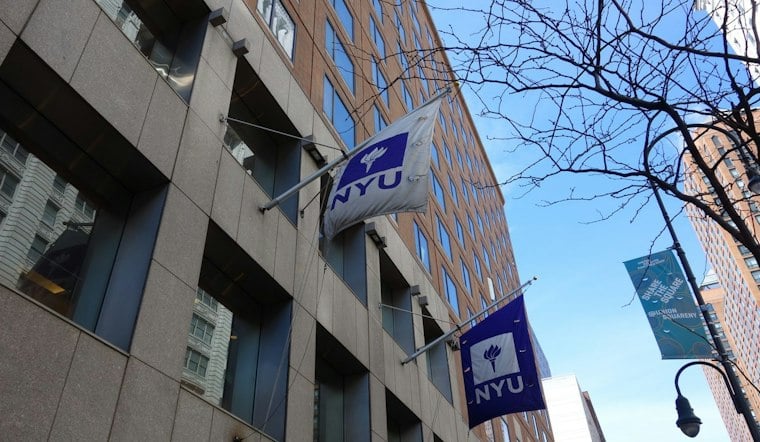
New York City is putting more than $29 million into a new quantum computing lab at NYU, and in exchange, City Hall says it will get something unusual for a municipal investment: a seat on the board and a cut of whatever technology comes out of it. Deputy Mayor for Economic Justice Julie Su, the first person to hold that title in city government, discussed the arrangement and other city news on Friday during an appearance on The Rush Hour.
The Deal Behind the Investment
Mayor Zohran Mamdani announced the more than $29 million investment last week to help establish NYU's Quantum Fabrication Facility, known as QFab, according to Spectrum News NY1. Under the agreement, the city will be given board seats at the facility and a stake in the new technology created there. The exact structure of the deal has been described differently across sources: the New York Times reported the city is making a $30 million investment to build the lab, while a city government announcement put the figure at $29.2 million, and the dossier does not reconcile how these numbers relate to one another.
Beyond the dollar amount, the station's report says City Hall wants New Yorkers to claim their share of jobs and investments in the emerging quantum industry. The New York Times reports that the city will receive 15 percent of any proceeds from intellectual property developed in the lab, and that New York City will also hold board positions it intends to use to push for technologies focused on sustainability and energy efficiency.
What QFab Is Supposed to Build
QFab is expected to carry $284 million in public and private funding, mostly from NYU, per the same Times report. The lab is slated to support about 100 companies in total, with NYU likely helping build nearly 50 of them directly and supporting roughly 50 more startups. NYU is also creating more than 15 new faculty positions to staff the facility, which is set to open in 2030.
The city says the project will generate 2,000 new permanent jobs for New Yorkers. The city government's own release likewise points to quantum technology's broader economic promise, projecting it could generate up to $2.7 trillion in economic value by 2035 — a figure the Times frames instead as the industry's expected valuation by that year.
A Note of Caution From Academia
Not everyone is treating quantum computing as a sure bet just yet. Aaron Bartnick, a fellow at Columbia University, told the Times that quantum remains a very early-stage technology, a caution that tempers some of the optimism driving the city's investment. That tension — real money going into a field still finding its footing — is part of what Su addressed in her Friday interview, where she discussed the quantum investment alongside other city news.
Part of a Broader State Push
New York City's bet on NYU is not happening in isolation. New York State has separately been building out a statewide network of regional quantum technology commercialization hubs, including a $300 million investment in the Quantum Research and Innovation Hub at SUNY Stony Brook, according to a Governor Hochul announcement. Together, the city and state investments suggest New York is trying to position itself early in a technology race that, by most accounts in this reporting, is still years from paying off.





