

























































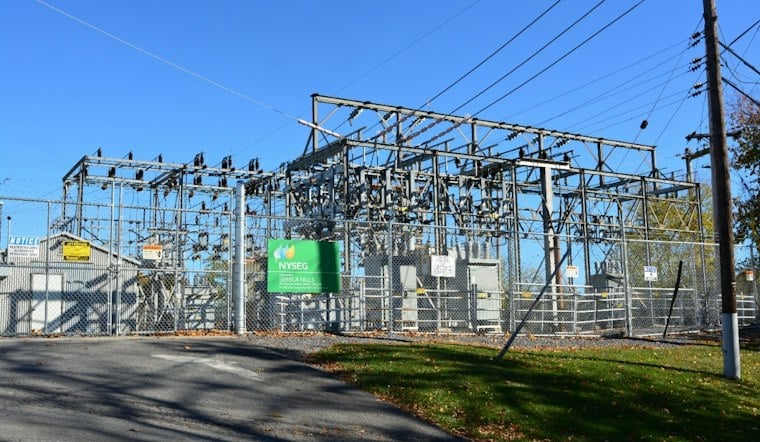
NYSEG is in the middle of a sprawling push to patch up the aging backbone of New York's power grid, with plans to fix around 370 deficiencies across its transmission system by the end of this year. The utility has already corrected 200 asset condition issues on 35 transmission lines in 2026 alone, following a 2025 effort that addressed more than 500 issues across 62 lines statewide.
The scope of the work is massive: NYSEG intends to update more than 230 transmission lines covering roughly 800 miles through 2031, according to WKTV. NYSEG describes transmission lines as the highway of New York's electric grid, since they carry large amounts of electricity over long distances from power generation sources to local substations. The company says it prioritizes which lines get fixed first based on each asset's condition and how much of an impact a failure would have on the broader system.
Transmission Repairs and Upgrades
The upgrade strategy isn't just theoretical. In May, NYSEG completed upgrades to Line 932, a project that saved ratepayers more than $2 million, according to Avangrid. That work also allows NYSEG to install a new power flow control device at the Bennett Substation in Hornell.
Further east, Avangrid completed an expansion at NYSEG's Fraser Substation in Oneonta in September, adding a new transformer to 345 kV infrastructure to support regional load growth, per Iberdrola. That substation expansion represents the first phase of NYSEG's broader plan to improve the grid in southern Oneonta. The typical scope of these rebuilds became clear when NYSEG completed a $53 million, 8.32-mile rebuild of Line 880 in Plattsburgh, swapping out 65-year-old wood poles for steel structures with dual-function optical grounding wire, a project that improved service reliability for over 4,900 customers.
NYSEG's crews are also tackling a major Southern Tier corridor known as the Southern Tier Area Reliability, or STAR, West project. That effort includes rebuilding 35 miles of Line 962 between the Hillside and South Owego substations, along with an expansion of the Watercure substation in Elmira, spanning Chemung and Tioga Counties to boost regional power delivery and make room for new clean energy connections.
Why the Grid Needs the Work Now
NYSEG operates electric transmission and distribution lines across its upstate New York service territory.
Statewide, the pressure is mounting. A 2024 NYISO assessment identified a reliability need in New York City in 2033. Earlier in the year, NYISO's Power Trends report flagged declining reliability margins and rapid demand growth from electrification and large industrial loads as key drivers of winter grid stress, noting that winter fuel constraints paired with rising heating electrification shrink the grid's margin for error during cold snaps.
Paying for the Overhaul
All of this repair work is tied to a bigger regulatory and financial picture. In July 2025, NYSEG and sister utility RG&E submitted their “Powering New York” filing to state regulators, laying out multi-billion dollar grid modernization investments planned over five years to address aging infrastructure and climate mandates, as reported by Pipe Dream. The plan proposes replacing more than 75 circuit breakers annually while also managing the lingering costs of storm restoration.
While that comprehensive rate case remains under review, the New York Public Service Commission granted NYSEG a temporary annual electric revenue increase of $52.572 million in May, according to the New York State Department of Public Service. That temporary order amounts to a 3.7% revenue increase.
New York's Climate Leadership and Community Protection Act is part of the state's broader climate policy. For now, NYSEG's crews keep working through that 800-mile list one pole, crossarm, and substation at a time.



