

























































Oklahoma's aerospace and defense industry now generates $52.5 billion a year in economic activity and supports more than 250,000 jobs across the state, according to a new economic impact study. The figures, drawn from the state's first comprehensive look at the sector in nearly a decade, confirm what officials have been saying for years: aviation and defense have become the backbone of Oklahoma's economy, trailing only oil and gas.
A Decade-Spanning Study Lands in Oklahoma City
The Oklahoma Department of Aerospace and Aeronautics presented its 2026 Aerospace and Defense Economic Impact Study at the Oklahoma History Center's Devon Great Hall, according to theclevelandamerican.com. The outlet reports the 2026 report represents Oklahoma's first comprehensive aviation and aerospace economic impact study in nearly a decade, giving state leaders their most up-to-date snapshot of the industry since 2017. The study was designed to measure jobs supported by aerospace and defense activities, along with the broader economic activity generated by related businesses, military installations and organizations tied to the sector, the same report notes.
That broader activity now adds up to a historic sum. Per okenergytoday.com, the industry's overall economic impact has reached $52.5 billion, with more than 250,000 jobs supported statewide — figures that cement aviation and defense as the state's second-largest industry. The outlet also reports that every major segment of the industry has grown since the 2017 study, and that the sector's strength rests on Oklahoma's skilled workforce, world-class aviation infrastructure and strong military presence.
Oklahoma City's Numbers Tell the Local Story
Zoom in on the Oklahoma City region, and the growth comes into sharper focus. As KOCO reported, Oklahoma's aerospace and defense industry has grown by roughly 20% since 2017, an increase of about $9 billion in economic impact over that span. KOCO's reporting also notes the industry operates across the state, touching military installations and more than 100 airports, and benefits from Oklahoma's central location, skilled workforce, strong military presence and low cost of living.
Separately, a regional analysis found the Oklahoma City metro's aerospace sector supported nearly $9 billion in goods and more than 80,000 jobs in 2025, according to the article's report. Between 2015 and 2025, the region added 102 aerospace establishments and nearly 9,000 jobs, while total output climbed from $4.9 billion to $8.8 billion, the same outlet found. Since 2020 alone, Oklahoma City's aerospace sector has added 2,170 jobs and $1.5 billion in additional output, with private aerospace employment jumping from 2,901 to 3,580 workers and output rising from $618 million to $771 million over that same five-year window.
Where the Growth Is Coming From
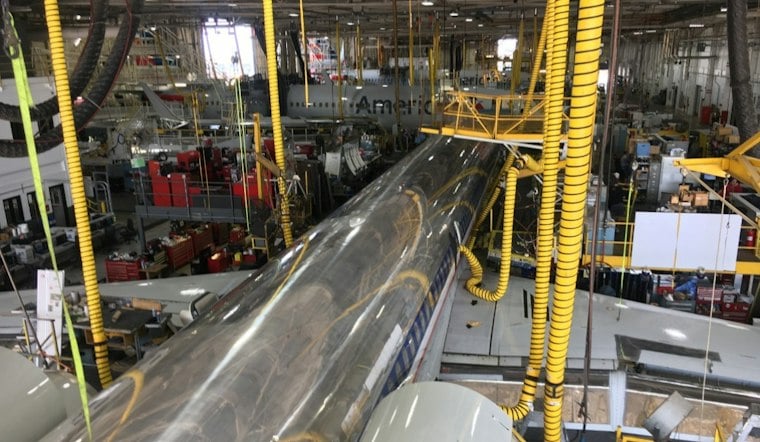
The gains aren't evenly spread across public and private players. The regional report found aerospace firms added 1,155 jobs and increased output by 35.7% between 2020 and 2025, compared with 12.2% output growth in the public sector over the same period. Within Oklahoma City, the maintenance, repair and overhaul segment alone includes 47 firms, employing 4,920 workers and generating more than $2.1 billion in output.
Military and federal installations remain central to those totals. Tinker Air Force Base employed nearly 27,000 workers and generated $3.6 billion in output and $2 billion in worker compensation in 2025, the same analysis found. The FAA's Monroney Center, meanwhile, employs approximately 5,100 federal civilian employees and contractors, representing 11% of the region's aerospace labor force.
Who's Leading the Push Forward
Grayson Ardies serves as executive director of the Department of Aerospace and Aeronautics, according to KOCO's reporting, which also notes the department plans to recruit more Oklahomans into aerospace and defense jobs — roles that range from engineers to lawyers. The department has set its sights on growth, though the full scope of the 2026 study's statewide methodology and baseline comparisons has not been detailed beyond the figures released so far. The study also will examine investment and potential areas for future growth in the sector, according to theclevelandamerican.com's report, suggesting Wednesday's presentation is likely just the first chapter in Oklahoma's renewed accounting of an industry that keeps climbing.



