

























































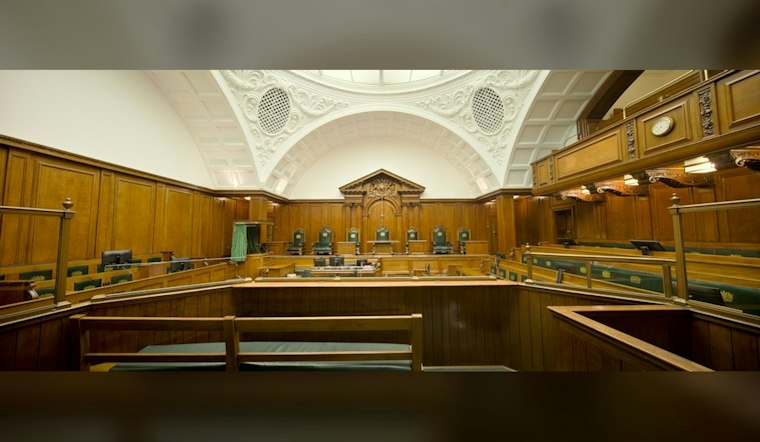
Oklahoma lawmakers spent part of this week's interim study at the Capitol weighing whether to bolt cameras and microphones into a dozen state courtrooms, a response to a court reporter shortage so severe that 75 of 198 positions sit vacant statewide. The idea, carried in Senate Bill 1386, would prioritize courtrooms that currently have no designated court reporter at all, and lawmakers stressed it is meant to patch gaps in the system rather than hand the job to artificial intelligence.
The bill, introduced by state Senator Christi Gillespie, a Republican representing Broken Arrow, would use permanently mounted audio and video equipment rather than handheld cameras or livestreams, according to The Journal Record. Gillespie has said the footage and audio would not be made available to the general public, and that the proposal is not about broadcasting proceedings but about ensuring a record exists when no court reporter is in the room. A certified court reporter, she said, would still certify any official transcript when one is needed.
Diana O'Neal, director of the Oklahoma Administrative Office of the Courts, testified during the October interim study that the three-year pilot program carries an estimated price tag of $2.3 million, according to Oklahoma Voice. That figure reflects roughly $25,000 per courtroom for hardware and software, plus staffing for two full-time IT operators to keep the systems running.
A Shortage Years in the Making
The vacancy numbers underline why lawmakers are looking at technology at all. Of Oklahoma's 198 court reporter positions, 75 are currently vacant, and 25 more of the state's working reporters are already eligible for retirement, per the seed reporting from Kosu's Lionel Ramos as carried by the Journal Record. A shortage that deep can leave gaps in the official record of a proceeding, contribute to case backlogs, and raise concerns about defendants' Sixth Amendment right to a speedy trial.
Under SB 1386's language, a “verified court reporter shortage” that would trigger eligibility for the recording technology is defined narrowly: a budgeted position must have sat vacant for more than 90 days, or a reporter must have an anticipated retirement within a year with no successor lined up, according to BillTrack50. The bill's definition sets out when a courtroom could qualify for the recording technology.
Oklahoma's interest in courtroom video is not new. A 1997 law encouraged courtroom video equipment. SB 1386 would amend Title 20, Section 1512 to create a structured, 12-courtroom pilot, according to the Oklahoma State Senate.
Court Reporters Raise Red Flags
Not everyone welcomed the idea. Laura Griffin, a certified court reporter, said she has no way to determine whether audio captured electronically has been manipulated before it ever reaches a court reporter for transcription — a concern that speaks to the broader resistance from certified reporters worried about transcript manipulation and the prospect of being replaced by automated systems.
Judges may restrict courtroom technology, while protections for trial participants are among the considerations around courtroom recording, according to the Reporters Committee for Freedom of the Press.
Supporters, including Jeremiah Gregory and Matt Ballard, told lawmakers they back recording court hearings, arguing that even technically open courtrooms do not deliver full transparency today. Both said they could support the pilot, but only with strict limits on who can access footage and audio. Ballard specifically said any safeguards must protect child witnesses, domestic violence victims, sexual assault victims, and threatened witnesses from exposure.
A Multi-Pronged Push, and a Stall
Lawmakers also tried to raise pay. House Bill 3585, sponsored by Gillespie and Representative Erick Harris, would have increased court reporter salaries from $53,000 to $70,000 and raised full-time secretary-bailiff pay from $42,000 to $60,000 starting in fiscal year 2027, but the bill failed in committee. Separately, Oklahoma budget portals already include a $2.2 million allocation for court reporter salary increases in fiscal year 2027. Dustin Rowe, chief justice of the Oklahoma Supreme Court, has backed Gillespie's recording pilot provided it comes with safeguards, saying access to any recordings should be protected.
Educational pipelines have expanded too, with Tulsa Community College and Oklahoma State University–Oklahoma City launching new court reporter training programs alongside the long-running Oklahoma College of Court Reporting, according to the Oklahoma Bar Association. Even so, the demanding skills required and the pull of higher pay in states like Texas have kept vacancy rates stubborn.
SB 1386 cleared the Senate Judiciary Committee on a 7-1 vote in February, according to the Oklahoma State Senate. Gillespie and Representative Derrick Hildebrant, R-Catoosa, who co-authored the bill, co-hosted this week's interim study, bringing judges, prosecutors, and shorthand reporters together for further discussion ahead of next year's session.
Critics counter that technical glitches and uncertified audio transcripts remain real risks. Lawmakers appeared open to bringing the bill back in 2027, and Gillespie has said she plans to work on it again. The recording proposal has been framed as a tool meant to assist overburdened court reporters rather than replace them.



