

























































Oklahoma Republicans are considering a tax credit modeled on programs in Texas and Florida that would steer business donations toward nonprofits focused on parenting, family support and fatherhood — and lawmakers are gathering at the state Capitol on Monday to talk through how it might work. The proposal would mirror a structure already in place in two other red states, where businesses get dollar-for-dollar tax waivers for donating to approved charities.
According to the Fort Worth Star-Telegram, Texas state Sen. Angela Paxton and former NFL coach Tony Dungy are expected to testify before Oklahoma lawmakers about how similar credits have played out in their states. Paxton is expected to present Texas' Strong Families Tax Credit, which the Star-Telegram reports was modeled on Florida's program, while Dungy co-founded All Pro Dad, a Florida nonprofit that mentors men and provides relationship tools meant to strengthen family connections, per the same report.
What Oklahoma Lawmakers Are Weighing
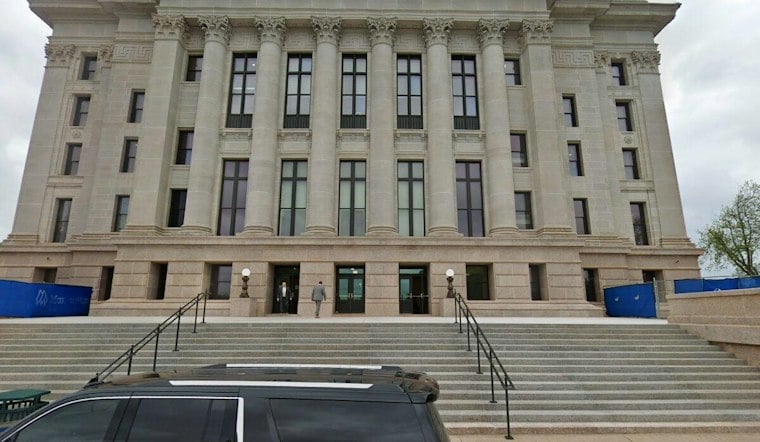
The interim study is scheduled for Monday at 9:30 a.m. at the Oklahoma Capitol in Oklahoma City, according to the Star-Telegram's reporting. Sen. John Haste, who represents Broken Arrow, is organizing the hearing alongside Rep. Nicole Miller, who represents Edmond, the outlet reports. An Oklahoma Senate press release describes Haste hosting a joint interim study on a proposed Strong Families Tax Credit on Oct. 12 in Room 535 of the Capitol, while a separate Senate interim-study listing names the same Oct. 12 hearing as examining a Children's Promise Tax Credit, with Haste and Miller listed as requestors before the Revenue and Taxation Committee — leaving the proposal's working title unsettled ahead of the hearing.
Haste said the study will help lawmakers consider a way to encourage private support for family-strengthening services, according to the Star-Telegram. Miller said a tax incentive could support families, create paths to permanent homes for children and potentially reduce demands on state systems, the outlet reports, and she added that the study will let lawmakers examine support for community-based programs that help parents build stronger relationships with their children.
How Texas and Florida Run Their Versions
Texas and Florida both bar charities that provide abortions or fund or cover abortion procedures from benefiting, the Star-Telegram reports. In Texas, nonprofits must also be recognized by the IRS as tax-exempt 501(c)(3) organizations authorized to operate in the state and must have provided qualifying services there for at least three years, according to the OneStar Foundation, which administers certification for the program. OneStar's program description also states that participating nonprofits may not directly or indirectly provide abortion services or offer information related to abortion services.
Texas' credit lets businesses claim a franchise-tax credit of up to $1 million per taxable entity, with a statewide annual cap of $5 million, per OneStar. The Star-Telegram reports the pilot program spent that full $5 million in 2026. Contributions only qualify if made on or after June 1, 2026, and after the recipient nonprofit has been certified eligible by OneStar, and the group notes that 2026 credit allocations have already been reserved, with the Texas Comptroller's reservation system closed until it reopens in January 2027. The Texas Comptroller's office describes the credits as awarded on a first-come, first-served basis within those same per-entity and statewide limits. The program is meant to fund services targeting self-sufficiency, stability, workforce participation and fatherhood engagement for at-risk families, according to OneStar.
Florida's Longer-Running Program
Florida created its version of the credit in 2021 to support child-welfare service charities, the Star-Telegram reports, with authorization starting at up to $5 million in its first year and now standing at up to $53.1 million. The Florida Department of Children and Families describes the credit as supporting organizations that provide direct services to at-risk families without an open dependency case, including helping fathers learn and improve parenting skills, assisting families caring for children with disabilities or chronic illnesses, preventing child abuse, and supporting workforce development. Participating organizations must spend 100 percent of the contributions they receive under the program on those direct services to state residents, and they must submit an annual independent audit along with their most recent federal Form 990 to the department, according to the same source.
Family First, a Florida-based nonprofit linked to All Pro Dad, is among roughly three dozen nonprofits approved to benefit from Florida's program, the Star-Telegram reports. Patrick Stevens, the group's corporate and government relations senior manager, is named in the outlet's reporting alongside other figures tied to the broader push, including Brian Johnson, chief financial officer of First United Bank, and Philip Whitten, executive director of One More Child, a Christian service provider for children and families.
Oklahoma's Existing Tax-Credit Landscape
Any new family-focused credit would join an Oklahoma tax-credit system already reshaping how the state funds private services. Oklahoma's private-school tax credit, signed into law in 2023, saw its funding cap rise from $250 million to $275 million for the 2027 fiscal year, according to the Star-Telegram's reporting. Separately, Oklahoma Voice reports the Parental Choice Tax Credit program will spend at least $255 million in the coming year under that raised $275 million budget, offering awards of $5,000 to $7,500 per student based on household income.
That program's growth has drawn scrutiny over who benefits. Oklahoma Voice reports that households earning more than $150,000 are projected to receive nearly $104.2 million, or 40.8 percent, of 2026-27 funding. The outlet also found that 21,359 “priority” students were approved for 2026-27, down from 22,152 the year before. Monday's interim study will show whether Oklahoma Republicans extend that same tax-credit model beyond private schooling and into family-support services, following the path Texas and Florida have already taken.





