

























































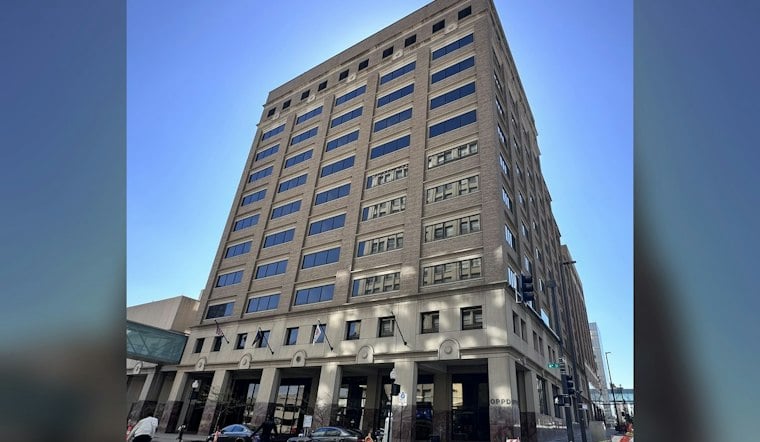
With temperatures in Omaha reaching the 70s on Wednesday, winter still feels far off for some, but plenty of residents are already dreading what their energy bills will look like once the cold sets in. Rate increases from both the Omaha Public Power District and the Metropolitan Utilities District took effect January 1 for OPPD and January 2 for M.U.D., and the worry is showing up everywhere from community centers to polling places around the city.
A North Omaha Senior Cuts Back To Cope
At the Adams Park Community Center in north Omaha, 90-year-old Loela Jones has already made changes around her house to prepare for higher bills, giving up cable TV, lowering her thermostat and buying a space heater, as reported by KETV. Jones said she is very concerned about energy costs, and according to the station's report, she said other seniors she knows are also complaining about what they expect to pay this winter.
Those fears aren't limited to one corner of the city. Voters waiting in line at the Douglas County Election Commission near 120th and West Center said the cost of living, including energy prices, ranks among their top concerns, per the same account. Beth Fritz, also speaking with the station, said she worries about financially insecure people who may not have access to the assistance they need. John Carl Denkovich said he voted for candidates he hopes will address rising costs across the board, telling the outlet that affordability and prices are a major concern for everyone, including energy.
What's Actually Driving Omaha Bills Higher
The worry has a clear basis in utility filings. OPPD's board approved a $2.98 billion operating plan for 2026 that raises rates by an average of 6.3% across customer classes, according to OPPD. Residential rates specifically will climb 6%, and the utility estimates a customer with an average $115 monthly bill will pay about $7 more each month. OPPD attributed the increase to higher fuel and purchased-power costs, rising capital investments, utility-material costs and required reserve-energy margins.
M.U.D. customers are facing a smaller but still real bump. The district says the average residential natural-gas customer will see a 1.8% increase, or $11.89 annually, in 2026, according to M.U.D. When combined with water service, the average residential customer's bill is projected to rise 2.9% net, or $33.06 annually. M.U.D. notes that individual bills will still vary depending on weather, consumption and the pass-through cost of natural gas, and the new rates took effect January 2.
National Estimates Add To The Uncertainty
Beyond Omaha's own rate filings, national estimates cited in the KETV report point to further pressure this winter. The National Energy Assistance Association estimated that natural gas prices are likely to rise 6% this winter and electricity prices are likely to rise 9%, per attribution in the station's coverage. Separately, the National Energy Assistance Directors Association projected that households heating with electricity would pay 9.0% more this winter nationally, while natural-gas customers would pay 5.8% more, according to a NEADA release. That same report put the national average household heating cost at $1,030 this winter, an increase of $82, or 8.7%, from last year, and found propane customers could see an 8.7% increase while heating-oil households face a 31.3% jump.
NEADA also reported that more than 275 electric and natural-gas utilities have raised rates, received approval for increases, or proposed them since 2025, with potential added customer costs exceeding $101 billion through 2028. The group noted that utilities disconnected electric service roughly 13.4 million times and natural-gas service roughly 1.7 million times for nonpayment in 2024, underscoring how widespread the affordability strain has become even before winter weather arrives.
Utilities Point To Payment Plans And Assistance
M.U.D. is recommending that ratepayers use a budget plan to keep bills the same amount each month, a plan that can be joined at any time of year. The utility is also suggesting smaller conservation steps, like turning off bathroom and kitchen fans and lowering the thermostat when leaving home for the day. The district says customers facing financial hardship can discuss payment arrangements and potential utility-assistance funds directly with M.U.D.'s offices.
OPPD has previously urged customers struggling with costs to call the utility and seek a payment plan, encouraging those struggling with their bills to reach out for assistance. For longer-term help, the M.U.D. Home Fund, established in 1983, provides utility assistance to seniors, people with disabilities and limited-income customers suffering severe financial hardships, and has raised more than $5 million and served more than 37,000 households to date. The Nebraska Department of Health and Human Services says Low Income Home Energy Assistance Program payments will be issued automatically on behalf of eligible households once federal funds are received, with notice going out to residents at that time, according to DHHS.
It's also worth noting that M.U.D., as a municipally owned natural-gas utility, is not regulated by the Nebraska Public Service Commission and is not required to comply with the state's cold-weather rule, according to the Nebraska Public Service Commission. The commission still encourages anyone who expects trouble paying winter heating bills to contact their utility provider early to discuss payment plans or assistance options.





