

























































Michael Weed suffered a sudden fall that left him unable to move his arms or legs, a collapse so severe that doctors warned he might never walk again. Five weeks later, he walked out of a physical therapy facility on his own two feet.
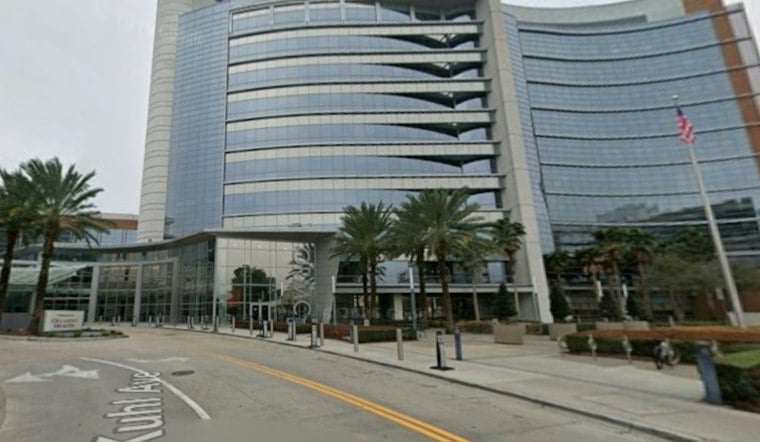
The fall sent Weed into emergency surgery at Orlando Health for what was described as a severe spinal cord injury, according to FOX 35 Orlando. Doctors delivered the grim prognosis that is common after injuries of that severity, telling him he might never regain the ability to walk. Weed described the outcome that followed as a miracle, crediting his faith and the people who helped him through it, per the same report.
By the time he left intensive physical therapy five weeks later, he was walking out the door unassisted, the station reported. Weed's recovery arrives at a moment when hospitals and rehabilitation centers across the country are leaning more heavily on advanced technology to help patients with spinal cord injuries regain mobility that was once considered permanently lost.
How Modern Rehab Tech Targets Paralysis
One of the most visible tools in that effort is the exoskeleton, a wearable, battery-powered device that fits like a brace around the legs, hips and waist to help patients stand and walk, according to UF Health Rehabilitation Hospital. The hospital notes that the devices provide highly controlled, repetitive and intense training while easing the physical burden on both therapists and patients. Exoskeleton systems also log real-time data on a patient's gait, UF Health explains, giving clinicians a way to refine treatment and flag safety risks as recovery progresses.
Wearable exoskeletons are primarily used to aid motor recovery in patients with spinal cord injuries, strokes and brain injuries, UF Health reports. Closer to Orlando, Brooks Rehabilitation has brought a different approach to its Osceola Crossings clinic in Kissimmee, offering therapy with Cyberdyne's Hybrid Assistive Limb, or HAL. The robotic system detects faint bio-electrical signals from the skin when a patient intends to move, then assists with that movement, according to Brooks Rehabilitation.
Research Remains Mixed on Exoskeleton Benefits
Not every study has found clear advantages to the technology. A 2024 randomized clinical trial published in JAMA Network Open set out to examine whether exoskeletal-assisted walking improved patient-reported mental and physical health outcomes among veterans with paralysis. A secondary summary of that research from 2 Minute Medicine reported that exoskeletons showed no clear medical, physical or psychological benefits compared with standard wheelchair use in veterans with spinal cord injuries.
Other avenues of research have focused on implants rather than wearable frames. The Department of Veterans Affairs has studied whether epidural stimulators can help paralyzed veterans regain motor activity along with cardiovascular and bladder function, according to Military.com. Researchers at the Hunter Holmes McGuire VA Medical Center in Richmond, Virginia launched a study with plans to implant the stimulators in 20 veterans, followed by a year of intensive rehabilitation and training, per Military.com. Separately, a report in PubMed Central described an initial period of intensive locomotor training combined with epidural stimulator assistance, after which two patients classified as AIS grade B, meaning they had partially retained sensation, were able to walk over-ground with assistive devices.
Other Patients Have Walked Again With Assistive Tech
Weed's recovery echoes other stories of patients defying grim spinal cord prognoses. Richard Herring was paralyzed from the mid-back down after being shot in the back at work in April 2023, according to Northwell Health. He went on to use braces, a functional electrical stimulation bike and an exoskeleton during his recovery, becoming the first patient at his rehabilitation center to use the roughly 70-pound wearable machine, per Northwell Health. Six months after his injury, Herring was able to go home following inpatient rehabilitation and continued his recovery through outpatient therapy.
In the military, Marine Lance Cpl. Joshua Burch became the first paralyzed service member to walk to his own promotion ceremony using an exoskeleton, in 2016, according to Military.com. Two years later, in 2018, three people in related research at the University of Louisville and Mayo Clinic were able to walk after receiving similar implants, the outlet reported. And at the 2024 Olympic Opening Ceremony, French Paralympian Kevin Piette wore an exoskeleton to walk while carrying the Olympic torch, per UF Health.
A man told he might spend the rest of his life unable to walk left therapy on his own feet after five weeks of intensive work, a result he attributes to faith and the support of those around him.





