

























































Shelbe Hudson was getting ready for a DJ gig when she realized something was badly wrong: she opened her mouth to speak and only mumbling came out. The 34-year-old Owings Mills DJ, who performs as DJ Huxtable, was in the middle of her second stroke — seven years after surviving her first one at age 25.
Hudson's ordeal began years earlier, when she was working by day as an analyst and performing on the side under her DJ name, according to WMAR 2 News. She started getting headaches and blurry vision, symptoms she chalked up to her job and too much time staring at screens, according to the American Heart Association's Eastern States blog. Her mother urged her to see a doctor, but Hudson admits she brushed off the advice as the symptoms lingered, per WMAR. By the time she sought help, she was told she was having a stroke and needed to get to the hospital immediately.
Six Months Without Driving, Then a Return to the Decks
That first stroke sidelined Hudson from driving for about six months, the station reports. She eventually recovered enough to get back behind the wheel — and back behind the turntables, returning to making mixes as DJ Huxtable, an open-format DJ based in Baltimore who has been pursuing the craft professionally since 2014, according to her own DJ Huxtable bio.
Seven years later, the second stroke hit without much warning. Hudson said she felt off one morning before a gig. “I noticed I couldn't talk. I thought I was talking, but I was mumbling,” she said, per the same account. She had left her home alone and sought help from a neighbor; when emergency responders arrived, she collapsed. “As soon as they came, I collapsed,” she said.
A Month in the Hospital, Relearning How to Walk and Talk
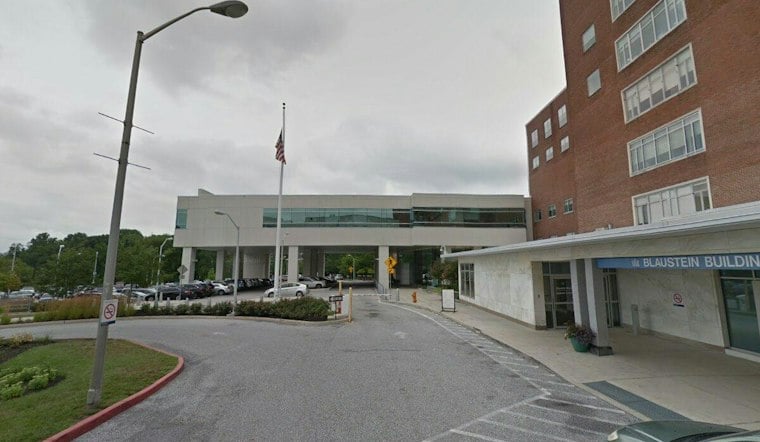
The second stroke required a month-long hospital stay, during which Hudson had to relearn basic functions. “I was in the hospital for a month. I had to learn how to walk, talk, write,” she said, according to the station's report. She credits the team at Sinai Hospital with helping guide her recovery, along with support from her family — including her mother, who brought her DJ kit to the hospital, the outlet notes.
Sinai is the first hospital in Maryland certified as an Advanced Thrombectomy Capable Stroke Center by the Joint Commission, according to LifeBridge Health. The hospital's Stroke Center operates a 36-bed unit within the Berman Brain & Spine Institute, and its care model relies on an interdisciplinary team of physicians, nurses, case managers and rehabilitation therapists, per LifeBridge.
Hudson eventually regained the ability to talk, walk and drive again. “To be able to talk, to walk, to drive,” she said, reflecting on how far she'd come, per the report. She will celebrate her 35th birthday on November 1, according to WMAR-2 News.
Turning Recovery Into a Message for Young Survivors
Hudson has since reached out to the American Heart Association, sharing her story while DJing at the Baltimore Heart Walk earlier this month. Her message to others is direct: “Listen to your body; if you feel anything off, get it checked out. Early prevention is key,” she said, according to the station's reporting. She wants her story to show that stroke isn't just an older person's condition. “I'm young, it can happen to anybody,” she said.
Her experience lines up with a broader shift researchers have flagged in recent years. Adults younger than 50 now account for an estimated 10% to 15% of all strokes, according to the University of Maryland Medical System. Familiar risk factors like high blood pressure and diabetes remain significant across all age groups, the health system notes, while physician Seemant Chaturvedi points to less-conventional contributors occasionally linked to stroke in younger people, including drug use, energy drinks and vaping. Genetic studies cited by the health system have also tied early-onset strokes to higher body mass index and high blood pressure, among other factors.
There may be a silver lining for younger patients, too: UMMS notes that younger adults' brains may have a greater capacity for neuroplasticity, the rewiring process that can support regaining function after a stroke. The Maryland Young Stroke Center at the University of Maryland Medical Center offers specialized care for survivors ages 18 to 50, and the medical center earned a High Performing recognition for stroke in the 2026-2027 U.S. News & World Report Best Hospitals rankings, per the health system.
National numbers underscore why early recognition matters. Stroke was the underlying cause of 162,639 U.S. deaths in 2023, down slightly from 165,393 the year before, according to the American Heart Association. Yet the unadjusted stroke death rate among people ages 25 to 34 climbed 8.3% between 2013 and 2023, the association reports — a trend that makes Hudson's warning to younger adults especially pointed. The association also estimates that as much as 80% of heart disease and stroke may be preventable through lifestyle changes.





