

























































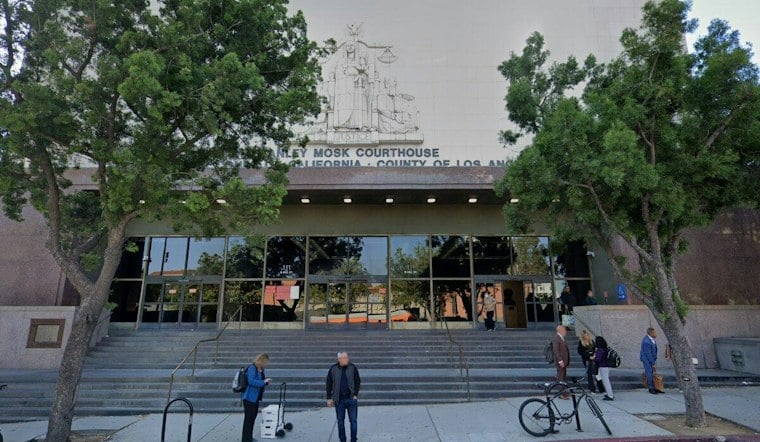
The California Second District Court of Appeal ruled that Palos Verdes Estates failed to meet its legal duty to process Wei Shi’s accessory dwelling unit application on time. Shi applied in 2020 and the city approved the ADU in 2023; the ruling addresses the city’s duty under state law, while the amount of any damages remains unresolved.
The court ruled 3-0 in Shi’s favor on Oct. 23, reversing an earlier Los Angeles County Superior Court decision that had sided with the city, according to the Daily Breeze. Shi sued over the city’s handling of his application and is seeking compensatory damages, injunctive relief, costs and attorney fees. No damages have been awarded.
The dispute turned on California Government Code Section 66317. The appellate ruling says the law requires cities to consider and approve ADU permit applications ministerially—without discretionary review or a hearing—and to approve or deny a completed application within 60 days. Shi alleged that Palos Verdes Estates did not meet that duty; the Daily Breeze reported that the delay pushed his ADU completion well beyond his original plans.
What Shi Says the Delay Cost Him
Shi’s complaint says the delay caused him to lose use of his property and incur higher construction costs, interest expenses and additional design-professional fees, as well as a decline in property value. He estimates the total damages at more than $1 million, according to the Daily Breeze. The Superior Court had ruled for the city, reasoning that state ADU statutes were intended to streamline permitting and address California’s housing crisis, not protect individuals from added costs caused by permitting delays. The appeals court reversed that decision.
Appellate Justice Nicholas Daum, who wrote the opinion, said the ministerial approval duty is intended to protect applicants from injuries caused by a city’s failure to consider and approve permits on time. The court also said Shi is entitled to recover his costs on appeal.
City Weighing Its Next Move
Palos Verdes Estates City Attorney Trevor Rusin said he was disappointed in the ruling and that the city is evaluating its options. Rusin said the City Council must consider the matter and direct city counsel before the city decides how to proceed, according to the Daily Breeze. The city has 40 days from the opinion’s Oct. 23 release to ask the California Supreme Court to review or depublish the decision. If it does not act within that period, Shi’s case could proceed to trial on damages, his attorney, Jeff Lewis, told the outlet.
Lewis, a Rolling Hills Estates lawyer who represents Shi, told the Daily Breeze that published appellate decisions can carry precedential value. He said the ruling could have lasting effects locally and statewide if it stands.
Potential Ripple Effects for California Housing
Lewis said the ruling, if upheld, could make it easier for homeowners to obtain over-the-counter ADU approval, allowing them to rent units for supplemental income or sell them. He also said faster approvals could add to California’s housing supply and that cities could face lawsuits for failing to process permits promptly. These are potential consequences, not outcomes established by the ruling.
UC Davis law professor Christopher Elmendorf told the San Francisco Chronicle that the ruling could affect other California laws requiring ministerial approval for housing developments, including SB 423 and AB 2011. Those broader effects remain uncertain and may depend on whether Palos Verdes Estates seeks further review within its 40-day window.
Palos Verdes Estates’ ADU Planning Projection
A December 2021 review by the California Department of Housing and Community Development said the city’s draft housing element projected 80 ADUs over the planning period. That was a planning estimate, not a count of permits issued or homes completed, so it does not show the city’s actual progress toward the projection.





