

























































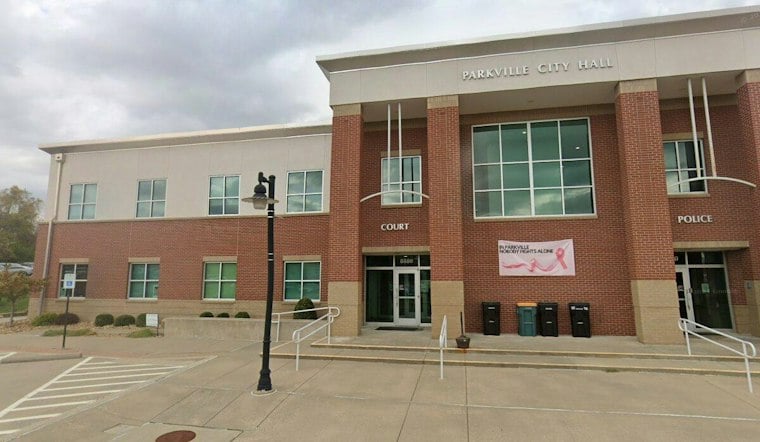
Parkville voters head to the polls Nov. 3 to decide three separate property tax propositions that, together, could raise the city's property-tax levy by nearly 47%. If all three pass, the owner of a $400,000 home would pay an estimated $25 more per month starting in 2027.
The ballot measures — known as Propositions P, I and F — appear separately, according to KCTV, meaning voters can approve some, all or none of them. Each is tied to a distinct city need: public safety, transportation infrastructure, and repairs to city facilities. The station reports the new rates would take effect in 2027 if voters sign off.
What Each Proposition Would Fund
Proposition P would fund public safety services, including police salaries, equipment and training, per the station's reporting. Official ballot language posted by the City of Parkville describes a proposed levy of $0.1790 per $100 of assessed valuation, collected over a 10-year period running from tax year 2027 through 2036 for law enforcement personnel, equipment, technology, vehicles, training and communications systems.
Proposition I would go toward transportation and infrastructure needs, including road repaving, curb repair and sidewalk work, the station notes. Proposition F, meanwhile, would fund repairs and upgrades to city facilities. The station's report does not include the full ballot language or specific levy amounts for those two measures.
City Official Points to Officer Retention and an Aging Building
Dean Katerndahl said Proposition P is intended to help Parkville retain experienced officers, pointing to the loss of one officer to Olathe who had about a decade of experience with the department, per the same account. He also described the city's transportation building as roughly 45 years old, saying it has mold, a septic system and no running water.
Katerndahl said Parkville currently has one of the lowest property tax rates among peer cities, and that the propositions would place Parkville's rate in the middle of that range rather than at the top. He added that the city reviews its budget annually for potential cuts, but said existing city funds are legally restricted to specific uses — for example, the city's police sales tax must be used for police, which he said limits the city's ability to shift money around to cover other needs.
A Resident Pushes Back
Not everyone is on board. Patti Downing said she does not trust how the city would use the money, and she questioned why Parkville relies on property tax increases to fund its needs rather than finding other ways to cover the costs.
The debate echoes a broader pattern playing out elsewhere in the Kansas City area this election cycle. In Kansas City, Kansas, an election guide from The Beacon noted that city leaders are pitching a new tax to repair roads currently rated at just 48 out of 100, well below the 70-to-80 range most cities aim for.
Back in Parkville, the city's budget and capital planning processes are laid out publicly: the Board of Aldermen determines annual spending and allocations as part of its accountability process, and the city maintains a Capital Improvement Program meant to identify long-range infrastructure and equipment needs along with potential funding options, according to the city's own budget pages. Voters will make the final call on whether property taxes are the right tool to pay for those plans when they cast ballots Nov. 3.


