

























































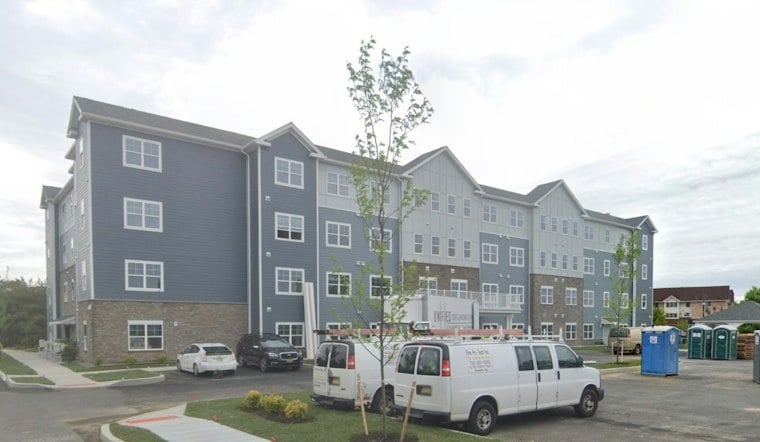
A newly built, 54-unit apartment building has opened on the grounds of St. Stephen Parish in Pennsauken, pushing a nearly two-decade affordable housing effort by the Diocese of Camden to almost 200 units for low-income seniors, people with disabilities, and seniors experiencing homelessness. The $17 million project, known as Stonegate III, rose on the former site of the parish's grade school and sits within walking distance of St. Stephen's Parish on Browning Road.
A Third Phase Nearly Two Decades in the Making
The opening, reported the week of October 26, marks the completion of what the Philadelphia Inquirer described as the latest phase of a nearly 20-year Diocese of Camden effort to build senior housing in the township. Stonegate's first two phases already provided 143 apartments, with Phase I bringing 75 units and Phase II adding 68 more, according to courierpostonline.com. Sources differ on when the first phase actually opened: camdendiocese.org reports Phase I opened in 2007, while the Courier Post reports it opened in 2008; the Inquirer's reporting places Phase I's opening in 2007 and Phase II's in 2020.
Camden County officials celebrated the new building's opening, noting that it includes apartments for low-income seniors, individuals with disabilities, and seniors experiencing homelessness, per camdencounty.com. The county contributed $500,000 toward the project through a HOME loan, the same source notes. Stonegate III was also funded through federal low-income housing tax credits and a permanent mortgage from the New Jersey Housing and Mortgage Finance Agency, according to the Inquirer's reporting.
Services Built Around Aging in Place
Jamie Reynolds, executive director of the Diocesan Housing Services Corporation of the Diocese of Camden, said the organization connects residents with community resources to support independent living. Each Stonegate building will have a part-time wellness nurse, Reynolds said, who helps residents navigate healthcare and connect with doctors and other health resources. Stonegate residents also have access to on-site social services including medical treatment, food assistance, and transportation.
Reynolds said that level of intensive support helps residents age in place longer than they would in a typical senior community. The Diocesan Housing Services Corporation has developed and manages more than 700 affordable rental units throughout southern New Jersey, according to camdendiocese.org. The Stonegate campus itself includes a multipurpose community room, bocce courts, a gazebo, and a walking path, amenities the county says are designed to promote independence and community connection.
Local Leaders Point to a Widening Need
Pennsauken Mayor Patrick Olivo said at the opening that Stonegate gives seniors an affordable, comfortable place to live while maintaining independence and community ties. Reynolds said there is substantial need for affordable senior housing in dense urban areas of both South Jersey and North Jersey, and that projects like Stonegate help people who want to remain in the region, or who are looking to downsize, stay in the area.
The need is reflected in county-level numbers. Camden County had nearly 126,000 residents ages 60 and older in 2024, and 12,208 of them lived below the poverty line that year, a poverty rate of about 9.7%, according to Census Bureau data cited in the Inquirer's reporting. Nationally, the poverty rate among people 65 and older has increased 20% since 2019, per the same Census Bureau data.
Affordability Pressures Stretch Across New Jersey
The strain on older renters extends well beyond Pennsauken. A single retirement-age adult renting in New Jersey needed an annual income of $29,616 to cover basic needs, while a couple needed $40,128, according to taubfoundation.org. More than half of New Jersey residents over 65 who live alone, and nearly a quarter of older couples, are classified as economically insecure because they lack enough income for basic needs, the same source reports, noting that housing was older adults' largest and least affordable expense category in 2019. About 30% of retirement-age adults in the state live solely on their monthly Social Security checks.
Complicating the picture statewide is a fragmented system for tracking who needs help. New Jersey has 564 municipalities and 105 separate authorities and agencies that administer housing assistance, making data on affordable housing difficult to consolidate, according to policylab.rutgers.edu. The New Jersey State Policy Lab and Rutgers Hub for Aging Collaboration have since compiled a census of affordable housing apartments for low-income older adults, including a searchable database and interactive map covering existing and potential sites across the state.





