

























































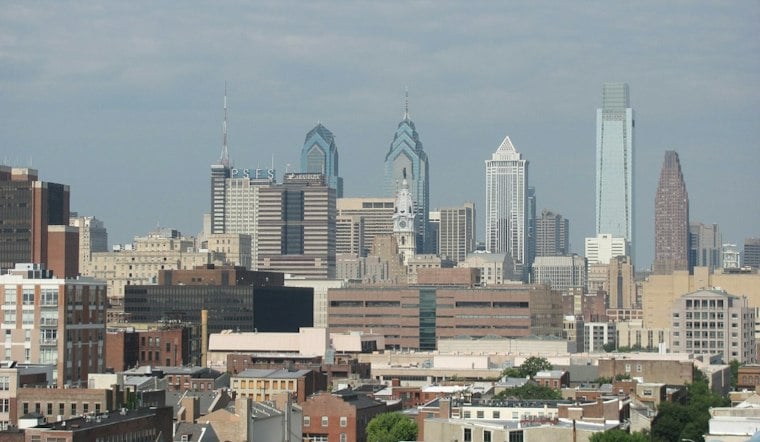
Philadelphia developers are pressing the Parker administration to adopt a 20-year property tax abatement for converting underused office buildings into housing, arguing the incentive would ultimately grow the city's tax base rather than shrink it. City Council members, however, are already lining up against the idea, with one calling tax abatements of any kind hugely unpopular.
According to WHYY, the Cherelle Parker administration is crafting a bill that would authorize the new abatement, building on a Pennsylvania law change that now permits cities to offer 20-year tax breaks specifically for converting vacant or underused commercial, industrial, and government buildings into housing. That state fiscal code legislation, enacted in November 2025, lifted what had previously been a 10-year cap on these LERTA redevelopment abatements, according to Pennsylvania General Assembly cosponsorship records cited by Metro Philadelphia.
Connor Burke, a developer quoted in the WHYY report, said tax abatements do not remove assessed value from the tax rolls, and that buildings provide more to the tax base after reassessment than they did before conversion. Jon Geeting has identified at least 19 and as many as 42 office buildings in the city declining in value because of vacancies, properties he described as potential candidates for conversion to housing under a 20-year abatement. Geeting said converting those declining office properties to residential use could increase tax revenue during the abated period, the same report notes.
Office Values Have Already Taken a Hit
The financial backdrop for the debate is stark. Commercial property assessed values in Philadelphia dropped by $1 billion following post-pandemic office vacancy shifts, an erosion that has cost the city and the School District of Philadelphia an estimated $9.7 million annually in combined lost tax revenue, per Metro Philadelphia. Metro Philadelphia reported that Center City's office vacancy rate was about 20%, while weekday worker attendance in the West Market skyscraper district averaged just 56% of 2019 prepandemic levels as of July, according to the Center City District.
Clint Randall, vice president of economic development at the Center City District, told WHYY that older underused office buildings have largely already been redeveloped, leaving newer underused buildings that require subsidies or broader cost changes to make housing conversion economically feasible. Robert Zuritsky, who owns Center City parking lots, said high construction costs are preventing him from building on those lots at all, and he has advocated for including new ground-up construction on parking lots within an expanded abatement. Zuritsky also proposed excluding single-family homes from the incentive specifically to reduce political opposition, the WHYY report states.
Why the Timing Feels Urgent to Developers
Per the same WHYY report, the new tax abatement is seen as particularly urgent because inflation, high interest rates, tariffs, and data-center materials demand have increased construction costs, contributing to a decline in planned housing projects in Center City. That squeeze comes as the housing construction pipeline is slowing even though Greater Center City produced 40% of all newly completed housing units citywide between January 2025 and June 2026, adding more than 4,000 units while accounting for just 6% of the city's land area, according to a separate Center City District report.
Mayor Parker has pledged to build or preserve 30,000 units of housing across Philadelphia, and her administration plans to borrow $800 million to fund roughly 30 housing programs, including the Turn the Key homeownership initiative and a low-income property-owner home repair program, the WHYY article reports. Angela Brooks, Parker's chief housing and urban development officer, said the development community should advocate and provide information about the policy changes it wants to see, according to the same report.
City Council Resistance Echoes a Past Fight
Philadelphia City Council members are opposing the proposed new abatement, the WHYY report states. Councilmember Cindy Bass described tax abatements as hugely unpopular, per an Inquirer report cited in the piece, while Nicolas O'Rourke said he was focused on ensuring the city receives sufficient revenue from any such program. Jeremy Blatstein countered that supporters of housing stimulus measures need to better communicate their long-term benefits if they want the bill to survive.
The friction recalls an earlier battle over Philadelphia's existing abatement system. Social justice activists protested the city's 10-year tax abatement for new construction and building improvements, arguing it mostly benefited wealthier residents while reducing revenue for public schools and city programs. In 2019, City Council voted 17-0 to amend that abatement, reducing its value by 10% each year starting in 2021 — a move that, per WHYY's earlier reporting, followed intense public protests from anti-gentrification and public school advocates.
The School District's Stake in the Fight
Council's caution is inseparable from the school district's finances. Following a City Council millage rate adjustment for fiscal year 2025, the School District of Philadelphia receives 56% of total city real estate tax collections, while the city's general fund receives the remaining 44%, according to the City Controller. The District's local revenue is primarily driven by its share of the real-estate tax.
As Hoodline reported in its coverage of the council-ordered school audit, the School District of Philadelphia is the only district in Pennsylvania without independent taxing authority, leaving it reliant on city and state allocations for 99% of its operating budget. That dependence on local property tax collections to help fund its $4.6 billion budget is a major reason education advocates are watching the new abatement proposal so closely.
A temporary 20-year abatement for distressed office-building conversions has been proposed. For now, the administration has not released details of its abatement proposal, and the eventual eligibility rules — including whether former schools, empty office buildings, and parking-lot construction will all qualify — remain unresolved as the bill works through the drafting process.


