

























































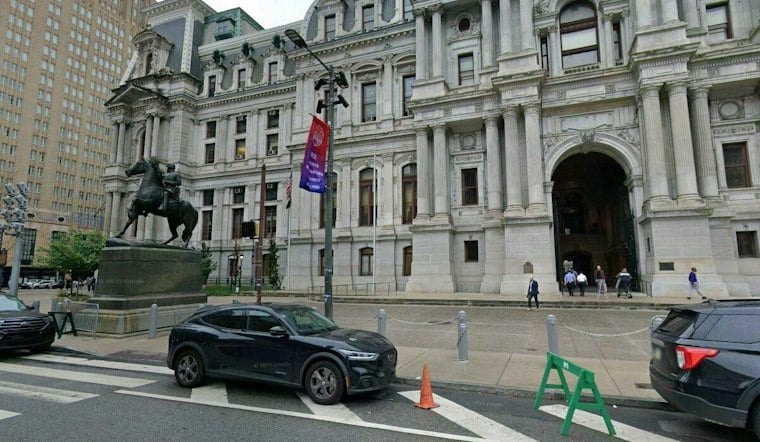
Philadelphia is trading protest signs for ballot checklists this Saturday, as the No Kings movement rebrands its latest round of gatherings as “No Kings: Vote Early” events built around helping residents navigate the 2026 midterms rather than rallying against President Donald Trump. The events kick off at 10 a.m. Oct. 17 at locations across the city, with organizers framing the day around voter registration, mail ballots and rides to the polls instead of marches.
According to NBC10 Philadelphia, the Saturday events will take place at 10 locations across the city, giving residents a chance to check their voter registration status, find polling places or ballot drop boxes, and organize rides to the polls. Indivisible, the national organizing group behind the broader No Kings movement, describes the Philadelphia footprint a bit differently: its own event listing for the city says gatherings are planned outside all 10 of Philadelphia's satellite election offices plus City Hall, which would put the total at 11 locations rather than 10. The discrepancy between the two accounts has not been resolved, and Hoodline could not independently confirm which figure is accurate.
What Residents Can Actually Do On-Site
Indivisible says the Philadelphia gatherings will encourage people to drop off their mail-in ballots or, if they have not yet requested one, to sign up on the spot and vote it right away at the election office, per the group's event page on Indivisible's website. Philadelphia has 10 satellite election offices citywide, the station's report notes, and City Commissioners Chair Omar Sabir has said that voters who visit a satellite office can request a mail ballot there and return it during that same visit, or drop it later at one of the city's ballot boxes.
The pitch echoes what WHYY has reported ahead of Saturday's rallies: more than 30 No Kings events are planned across the Philadelphia region, with locations including Center City, Crescentville, Germantown, Upper Roxborough, Warminster, Kennett Square, West Chester, Media, Springfield, Abington Township, Hatboro, Lansdale, Narberth, Harleysville, Norristown, Willow Grove and Pottstown. Indivisible co-founder Ezra Levin has said the October demonstrations are meant to help democracy reassert itself and to mobilize volunteers preparing for possible election interference, framing the strategy as boosting early voting to historic margins so it cannot be manipulated — what he has described as making the vote “too big to rig.”
A Movement Built Around Protest Now Leans Into Services
The shift in Philadelphia mirrors what is happening elsewhere. In Michigan, organizers told Michigan Public that more than 75 “No Kings: Vote Early” gatherings will take place statewide Saturday, with organizers calling it a day of nonpartisan voter participation even though previous No Kings demonstrations centered on opposing Trump and his administration. All of the Michigan events are meant to provide information on voter registration, local proposals and early-voting locations regardless of attendees' political party — one Lansing organizer, Mari Douma, said she chose not to let partisan groups table or speak at her event, while a Fenton gathering is pairing the voting information with live music and fair games.
Nationally, the scale of Saturday's effort is considerable. Organizers scheduled more than 2,500 events across all 50 states and the District of Columbia, according to a report from States Newsroom, continuing a movement that has grown fast since it began. The same report notes that No Kings drew 5 million attendees across 2,100 events in June 2025, more than 7 million at 2,700 events that October, and 8 million across 3,330 events by March 2026. Common Cause is one of nearly 320 organizations coordinating Saturday's events under nine national steering committee groups, per the report, and roughly 5.1 million ballots — both in-person and mail — had already been cast nationwide as of Tuesday, according to the University of Florida's Election Lab.
Why Organizers Say Early Voting Matters
Organizers have said early voting gives people more time to correct ballot problems, such as missing signatures or improperly completed envelopes, before Election Day puts those fixes out of reach. In Pennsylvania, the state's mail-ballot rejection rate dropped to 1% in the 2024 general election, a 57% decrease from the 2.4% rejected during that year's April primary, according to a release from Pennsylvania's Department of State. The state's election authority also directs voters to track key deadlines on its official elections page.
Whether Philadelphia's Saturday turnout lands closer to the nine-office tally described by NBC10 or the 10-office-plus-City-Hall figure cited by Indivisible, the on-the-ground goal is the same across both accounts: get residents registered, ballots requested, and votes cast well before the midterms arrive.





