

























































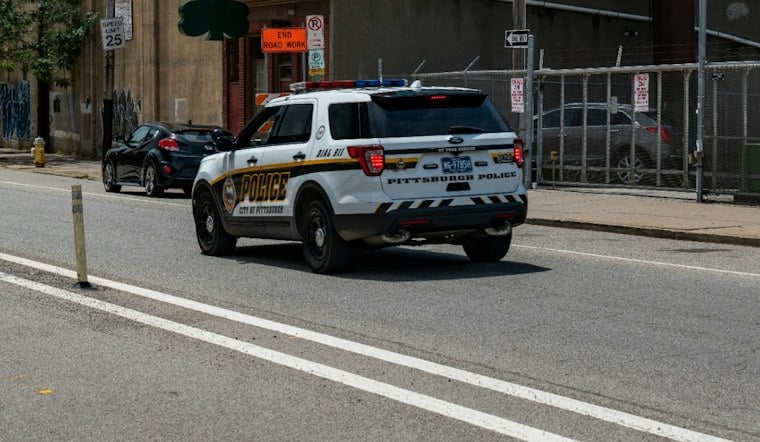
Pittsburgh police currently have 797 officers, including those still in the academy, and public safety officials say the bureau needs to reach 900 to bring back around-the-clock desk coverage at its local police zones. Chief Jason Lando has made the 900-officer target a priority since his first day leading the bureau, and officials say hitting that number would put staffing back at pre-pandemic levels.
A Staffing Goal Years in the Making
According to WTAE, it has been an initiative since Day 1 for Lando to increase staffing levels to have 900 officers. Right now, zones have a desk officer only during the day, and those officers are sometimes pulled away to answer calls as needed. Officials say reaching 900 officers would restore 24/7 desk officers at local police zones, a change they believe would improve accessibility for residents.
The 797-officer figure cited by public safety officials this month sits above the 759 officers the department reported having in early February 2025, according to WESA. That earlier count included command staff, recent academy graduates and current academy students. The city's budgeted staffing goal has also shifted over time — 900 officers were budgeted in 2023, 850 in 2024, and just 800 in the 2025 budget, the station reported.
Councilman Wants Officers Back Behind the Desk
City Councilman Bobby Wilson supports restoring 24/7 desk officers at local zones, arguing residents should have access to officers at the station rather than relying solely on a call button. His comments touch on a broader shift in how Pittsburgh has policed its neighborhoods in recent years under former Chief Larry Scirotto, who decided to lower staffing between 3 a.m. and 7 a.m., reassign desk officers to the field, and create a telephone reporting unit for lower-priority calls.
That overnight pullback was part of a staffing plan that took effect March 11, under which officers were directed to respond only to in-progress emergencies, according to Police1. Calls involving criminal mischief, theft, harassment and other lower-priority matters were shifted to a telephone reporting unit or online reporting, and the bureau also offloaded most parking issues to the Pittsburgh Parking Authority. Scirotto told CBS News Pittsburgh, “From 3 a.m. to 7 a.m., there aren't desk officers,” explaining that six officers were moved from desk duty into patrol operations during those hours because data showed the most serious crimes occur during the day rather than overnight.
Budget Pressures Loom Over Hiring Plans
Pittsburgh is navigating a budget crisis as it weighs whether to grow the police force. Mayor Corey O'Connor said the city has prepared for the possibility of adding new officers and budgets for higher staffing numbers, adding that the city would welcome additional hires. He acknowledged, however, that the process of adding officers would take time, and said upcoming budget talks will be difficult over the next few months.
O'Connor said adding officers could help offset overtime costs, a pressure point that has weighed heavily on city finances. Pittsburgh city employees earned $71 million in overtime in 2025, and city-funded overtime ran $20 million over budget that year, according to the city controller's figures reported by PublicSource. The police officers' union president has said the city's schedule of major events — marathons, festivals and parades — creates an “overworked structure” for the department that drives overtime higher. O'Connor also said the city may need to adjust supported programs, bring more work in-house, or seek outside partners to bridge budget gaps.
A National Recruitment Struggle
Pittsburgh's hiring challenge mirrors a pattern seen across the country. More than 70% of over 1,100 departments responding to an International Association of Chiefs of Police survey reported greater recruitment difficulties than they faced five years earlier, and nearly two-thirds said they had reduced services because of insufficient staffing, per the same WESA report. Departments nationwide have responded with strategies such as civilianizing certain tasks, hiring mental-health and homelessness-service professionals, offering signing bonuses, and recruiting retirees part time.
A University of Pittsburgh criminal law professor told the outlet that the city must compete directly with nearby departments, since officers can raise their salaries by $20,000 to $30,000 simply by moving to another municipality. That dynamic has shaped Lando's redeployment strategy as much as Scirotto's before him — the former chief had said his changes allowed the bureau to stand up high-impact special units for Downtown and the South Side, along with violence-prevention and fugitive units, even as overall staffing numbers struggled to keep pace with the 900-officer target now back on the table.





