

























































A Meals on Wheels volunteer dropping off a meal might be the only human being some Lancaster-area seniors see all week, and that visit often lasts less than five minutes. That detail anchored a bipartisan field hearing Thursday in downtown Pittsburgh, where Pennsylvania's two U.S. senators sat down with aging experts to confront a problem that is about to get much bigger: a rapidly graying population with fewer people around to care for it.
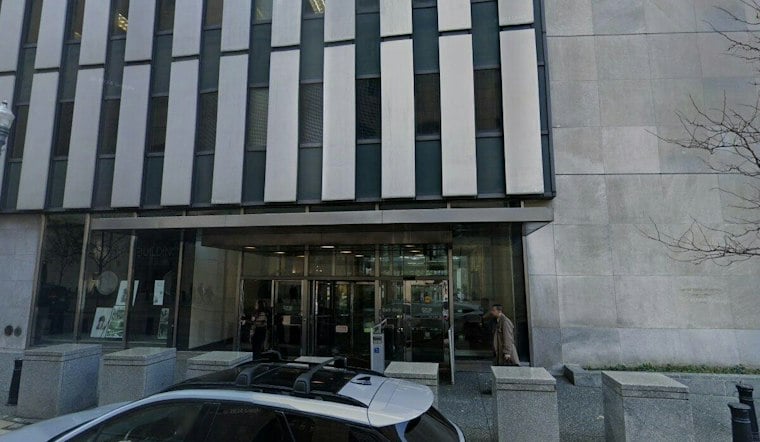
Republican Sen. Dave McCormick of Squirrel Hill and Democratic Sen. John Fetterman of Braddock held the hearing at the Moorhead Federal Building, gathering testimony on loneliness and social isolation among Pennsylvania seniors, according to TribLIVE. McCormick sits on the Senate Special Committee on Aging, and Fetterman has previously served on it. WPXI described their joint appearance as a rare bipartisan pairing for the two lawmakers.
The panel included four witnesses: Shannah Tharp Gilliam, director of Allegheny County's Area Agency on Aging; Martin Sliwinski, director of Penn State's Center for Healthy Aging; Feleen Nancarvis, executive director of Lancaster Meals on Wheels; and Laura Poskin, chief aging officer at the Jewish Healthcare Foundation, per the senators' own witness list posted on forth.news.
A Lunch Delivery That Doubles as a Lifeline
Nancarvis told the senators that Lancaster Meals on Wheels, part of a national home-delivery network that provides food to seniors, surveyed its clients and found that roughly a third of recipients get no other social interaction during the week outside of their volunteer dropoff. Thirty-two percent of respondents said the volunteer delivering their meal was the only person they might see in a given day or even a week, according to WTAE. Those exchanges, Nancarvis noted, typically last less than five minutes.
Fetterman said he was unsure how anyone could function well with such limited human contact, a reaction that echoed the broader numbers cited at the hearing. One in three older adults reports feeling lonely, and nearly one in four adults 65 and older is socially isolated, per the same WTAE account, which also noted that isolation is associated with an estimated $6.7 billion a year in added Medicare spending across Pennsylvania.
Population Projections Raise the Stakes
The hearing landed the same week a new University of Pittsburgh forecast, produced by regional economist Chris Briem of Pitt's University Center for Social and Urban Research, projected that residents 85 and older in the Pittsburgh region will increase by 62% by 2050. Briem's study also projects the number of potential caregivers relative to residents older than 80 will shrink from roughly 5-to-1 to 3-to-1 over that same period, according to TribLIVE's reporting on the research.
The broader regional population is projected to decline by about 250,000 people, or roughly 10%, by 2050, though Briem's study lays out alternative scenarios of 3.5% or 13.2% decline depending on migration patterns, TribLIVE reported. An aging population is the biggest factor behind that projected drop, with deaths expected to outnumber births, according to Audacy, which also reported that workers 65 and older in the region are expected to grow by about 30%. In Allegheny County specifically, the number of residents 65 and older is projected to grow by 50,000 by 2050, according to a report from the Times Online.
McCormick said western Pennsylvania faces particularly acute challenges from an aging population, per TribLIVE's account of the hearing. Per Briem, older Pennsylvanians with less informal care at home may increasingly turn to care facilities and hospitals for help, with implications for public spending and regional finances.
Strain Already Showing in the Care System
The hearing's warnings align with signs of stress already visible in Pennsylvania's aging-services infrastructure. Since 2020, Pennsylvania has lost 37 nursing homes and 4,318 nursing-home beds, according to a report covered by LVB.com. The state's population over age 84 is projected to triple by 2050.
Nationally, the caregiver-support ratio is expected to decline in coming decades, after topping seven potential caregivers per person age 80 or older in 2010, according to research from AARP.
Volunteers Dwindling as Costs Rise
Panelists also pointed to a shrinking volunteer base as a contributing problem. Hearing participants discussed declining volunteerism, which Tharp Gilliam and Poskin both attributed to economic pressures. Poskin said people simply cannot afford to volunteer anymore because everyone is financially constrained, per TribLIVE's reporting on her testimony.
Sliwinski, for his part, said loneliness is closely tied to depression and day-to-day behavior, and argued that resources such as exercise classes and mentorship programs should be designed to offer older adults genuinely meaningful experiences rather than just filling time. Tharp Gilliam said social isolation and elder-care resources deserve to be discussed as routinely as any other public health concern.
What Happens Next in Washington
The four witnesses urged the senators to increase funding for programs that socialize seniors and promote interaction across generations, WPXI reported, with panelists broadly recommending expanded elder-care infrastructure, better transportation options and more meaningful social opportunities for older residents. Fetterman has introduced the Senior Hunger Prevention Act, legislation described on Fetterman's Senate website as a bill to expand Supplemental Nutrition Assistance Program benefits and local food-delivery support for older adults and people with disabilities.
McCormick said he would compile recommendations and seek more information from panelists, telling the room he expected to circle back with everybody in the group over the next 30 to 60 days, according to WTAE. He also mentioned the possibility of joining existing bills aimed at improving senior care. McCormick and Fetterman voted to reauthorize the Older Americans Act, first enacted in 1965 to support senior social and nutritional programs nationwide, in July, though the U.S. House has yet to vote on its own reauthorization, leaving the next step for lawmakers unclear, per TribLIVE.





