

























































For clinicians assessing whether a glioma has returned or whether treatment-related changes explain a scan, Pixclara is a new imaging drug.
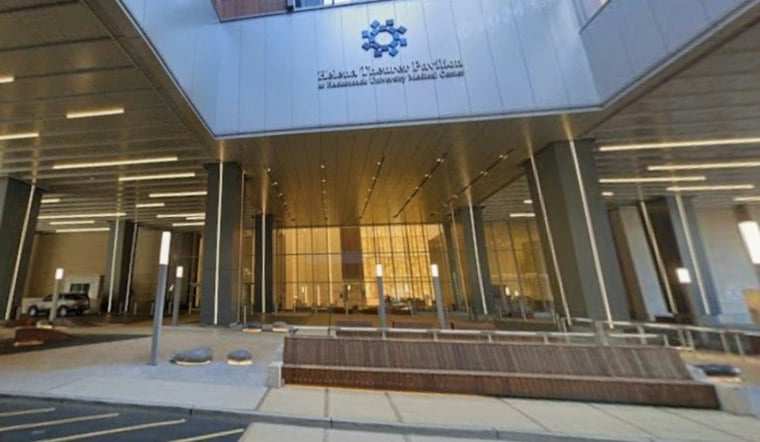
Pixclara, known generically as floretyrosine F 18, was developed by Telix Pharmaceuticals and approved by the U.S. Food and Drug Administration as the first FDA-approved FET-PET imaging drug for glioma, according to the company. It is indicated for use alongside PET and other diagnostic evaluations to help physicians differentiate recurrent or progressive glioma from treatment-related changes in adults and pediatric patients as young as 1 month old. Hackensack Meridian Health describes itself as New Jersey's largest and most comprehensive health network.
Telix reported that the first U.S. patients overall were dosed with Pixclara on October 6, with doses administered at the Indiana University Health Neuroscience Center in Indianapolis and University Hospitals Cleveland Medical Center. The company said that milestone marked the start of commercial availability for the drug nationwide.
How the Drug Works in the Brain
Hackensack Meridian Health says Pixclara is administered intravenously and interacts with LAT1 and LAT2 membrane transport proteins, crossing the blood-brain barrier and binding to tumor cells. PET detects the tracer’s signal, adding information about tumor activity to the structural images from MRI.
MRI can show changes in brain tissue but may not establish whether they reflect active tumor or effects of radiation or surgery. That can make suspected progression difficult to assess from MRI alone. Park said Pixclara provides another source of diagnostic information for clinicians evaluating glioma and planning care.
A Growing Role for Amino Acid PET Scans
Gliomas make up approximately 80% of malignant brain tumors, and roughly 24,000 new glioma cases are diagnosed in the United States each year, per Telix. FET-PET imaging is recommended in international clinical practice guidelines for glioma imaging, including the NCCN guidelines, and FDA approval of Pixclara brings that technology to the United States for both adult and pediatric patients.
An updated joint policy review from the RANO working group and the European Association of Neuro-Oncology found that amino acid PET has gained broader international acceptance as an adjunct to conventional and advanced MRI, according to a 2025 review published in The Lancet Oncology. The review describes amino acid PET as an adjunct to conventional and advanced MRI. At the same time, the review's authors cautioned that class 1 evidence showing PET imaging actually improves patient outcomes remains scarce.
International guidance and U.S. approval
The international picture in the sources cited here is chiefly one of guideline support, not a country-by-country account of actual use. The joint EANM/SIOPE/RAPNO pediatric glioma imaging guideline notes that some recommendations reflect expert consensus because high-level evidence is not available for all of them, according to the joint guideline. That guidance differs from the U.S. regulatory milestone: international recommendations address imaging practice, while Pixclara’s FDA approval applies to a specific drug. Telix describes Pixclara as the first FDA-approved FET-PET imaging drug for glioma.
Research published in a 2023 issue of the American Journal of Neuroradiology has noted that PET with amino acid tracers provides additional insight beyond MRI into the biology of gliomas, aiding diagnosis, tumor-margin delineation, treatment planning and post-treatment response evaluation, as reported by AJNR. The same research pointed out that hybrid PET/MR systems can capture multiple imaging parameters in a single scan, cutting scan time while improving anatomic localization.
What Comparable Studies Have Found
A Nature Communications study examined more than 300 biopsies from 23 patients.
Hackensack Meridian's Role in New Jersey Care
Mike Horton, Hackensack Meridian Health’s vice president of radiology, said the network aims to make newer diagnostic tools available to the communities it serves.




