

























































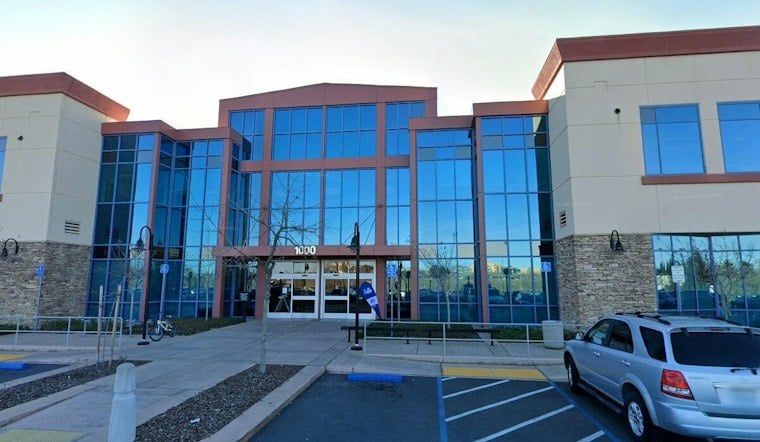
A veteran living in Northern California saw his brother's face for the first time in 40 years on Thursday, thanks to a video call arranged by the Placer County Veterans Service Office. The brothers, both veterans, had lived nearly 3,000 miles apart — one in Northern California, the other in eastern Connecticut — and had kept in touch only by phone for four decades before Thursday's reunion brought them face-to-face on a screen.
The emotional meeting was reported by the New York Post, which detailed how the Placer County Veterans Service Office stepped in to organize the video chat between the two men. The office is one of dozens across the state that provide counseling, education, benefits assistance, and advocacy for veterans, their dependents, and survivors, according to the same report.
Steve Johnson, a Placer County veterans service officer, helped facilitate the reunion and said the moment could carry real mental health benefits for both brothers. Johnson said not being able to see family for such a long stretch of time is difficult, and that reconnecting visually could help both men become healthier in their mental health, per the Post's account.
Tablets and Internet Access on the Way
The reunion isn't expected to be a one-time event. The veterans office is now working with a nonprofit to provide the brothers with internet access and tablets, which would let them see each other more often going forward rather than relying on phone calls alone, the station's report notes.
That kind of device-based connection has measurable backing in clinical research. A study from VA Health Systems Research found that delivering video-enabled tablets to high-risk rural veterans led to a 36% reduction in suicide-related emergency department visits and a 20% drop in general emergency care visits, according to VA Health Systems Research. Separate VA research found that mental health diagnoses accounted for 63.9% of tablet-distribution referrals in the agency's program, while social isolation accounted for another 20.4%, according to a study examined by VA Health Systems Research.
A County Office With a Growing Caseload
Close to 27,000 veterans reside in Placer County.
The office's reach extends well beyond arranging video calls. In 2024, it secured a record $14.8 million in VA benefits for local veterans, a surge driven largely by PACT Act outreach and expanded claims assistance for those exposed to toxic burn pits and hazardous materials, per the Placer County Veterans Service Office. That work happens within a framework set by California Military and Veterans Code Section 970, which authorizes county boards of supervisors to appoint accredited County Veterans Service Officers; the California Association of County Veterans Service Officers report also notes increased state funding.
State Lawmakers Target Staffing Gaps
California lawmakers have recently moved to shore up that county-level system. In September, the state enacted Assembly Bill 2219, amending the Military and Veterans Code to require county boards of supervisors to fill vacant County Veterans Service Officer positions within 12 months, according to LegiScan. The measure is meant to prevent the kind of prolonged administrative vacancies that can leave veterans without local support.
It fits a broader pattern of state and county investment in veteran services. That same month, California allocated $4.7 million toward federally registered clinical trials studying psychedelic-assisted therapies for veterans with PTSD and severe depression, Hoodline previously reported. In January 2025, Placer County's Board of Supervisors also approved a $20 million Homekey+ grant application with AMI Housing to convert an Auburn motel into 52 permanent supportive housing units prioritizing local veterans.
For now, the two brothers have what they didn't have for 40 years: each other's faces on a screen, with more regular contact expected once the promised tablets and internet access arrive.





