

























































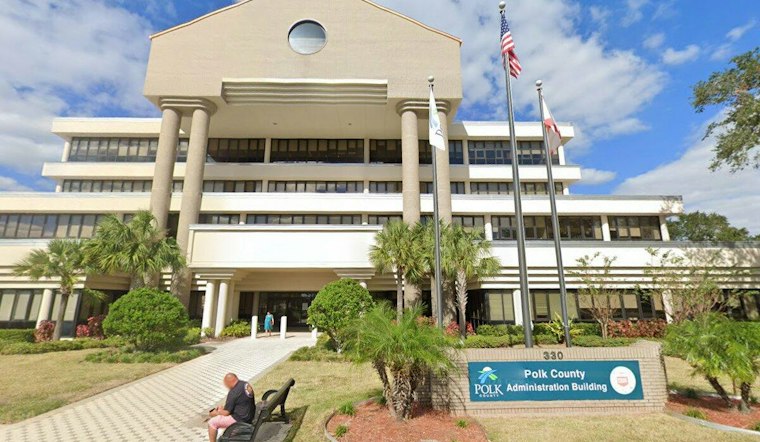
Polk County commissioners are set to vote Tuesday morning on a resolution that would completely shut down public comment sections across the county's official social media pages, a move that would strip residents of the ability to post replies on those accounts even as other avenues for speaking up remain open.
The push comes from Commissioner Bill Braswell, who initiated the discussion after the county's comment sections became what FOX 13 Tampa Bay describes as hotbeds for incorrect information, personal attacks, and vulgar comments. Rather than trying to police individual posts, the proposal would simply turn the comment function off entirely on accounts the county controls directly.
Residents would not lose their voice altogether. They would still be able to participate and share their opinions in person during public comment periods at official county meetings, according to the same report. What they would lose is the ability to type a response directly beneath a county Facebook or Instagram post.
Which Accounts Are Affected
Not every county-affiliated page would go quiet. The proposed changes will not apply to the Polk County Sheriff's Office or the county animal control pages, since those accounts are not directly controlled by county government, the station's report notes. The commission is scheduled to hold its vote Tuesday at 9 a.m.
Polk County has moved to limit public engagement before. Commissioners previously voted unanimously to limit general public comment on non-agenda items to 15 speakers per meeting, according to Bay News 9. That earlier resolution passed unanimously on a consent agenda, without public input, the outlet reported.
Legal Questions Around Government Comment Sections
Shutting down comment sections raises First Amendment questions that legal experts have been working through as governments across the country grapple with managing online feedback. When government officials use social media to carry out their work, they are bound by the First Amendment, according to the Knight First Amendment Institute. Officials who open their posts to public comments generally cannot censor those comments based on viewpoint, the institute notes, and may only block commenters or delete comments under reasonable, viewpoint-neutral policies applied consistently.
But a government is not obligated to create a designated public forum or keep one open indefinitely, according to the UNC School of Government. The same analysis points out that the U.S. Supreme Court has not yet squarely addressed whether forum analysis is even the right framework for government-imposed restrictions on social media speech. Separately, the Supreme Court ruled in 2024 that blocking comments on an official's social media page only counts as state action under federal civil rights law when that official both had actual authority to speak for the government and purported to exercise it, according to the National Constitution Center.
Polk Would Not Be the First in the Region
Polk would not be breaking new ground locally if the resolution passes. The City of Dunedin disabled comment functionality on all of its official social media platforms as of May 5, 2026, according to a notice posted by the City of Dunedin. That earlier move suggests Polk's proposal fits a broader pattern among Florida local governments reconsidering how much public feedback they allow on their own pages.
For now, the outcome in Polk rests with Tuesday's commission vote. Whether the resolution passes as written, gets amended, or is voted down was not yet known heading into the meeting.





