

























































Carl Luebbert was working for the City of Port Orange Utilities Department on April 6 when his heart suddenly stopped. A co-worker, David Tillman, immediately began CPR and called 911, buying precious time before paramedics could get Luebbert to a hospital. Six months later, Luebbert is remarried, back out fishing, and helping his new stepsons with their homework — a recovery his surgeon once called a long shot.
A Cardiac Arrest That Became a Race Against the Clock
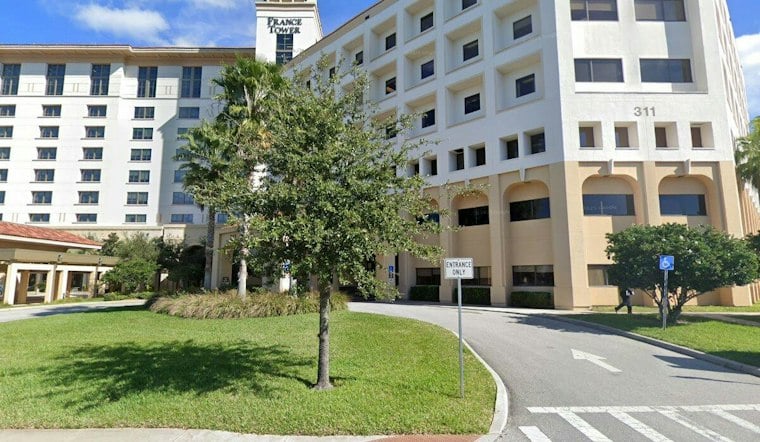
Luebbert was rushed to Halifax Health in Daytona Beach, where he was diagnosed with an ST-elevation myocardial infarction, according to the Miami Herald, which originally reported his story for the Daytona Beach News-Journal. Sarah Wulfing, nurse manager of the cardiovascular ICU at Halifax Health, said Luebbert received a stent in his right artery before doctors determined he needed far more aggressive intervention. He became the first patient at Halifax Health to receive an Impella 5.5 heart pump, a device that provided temporary critical circulatory support while his heart struggled to keep up.
The timing of Tillman's intervention may have mattered more than anything else that followed. A 2024 study analyzing nearly 200,000 out-of-hospital cardiac arrest cases found that victims who received bystander CPR within two minutes had 81% higher odds of surviving to hospital discharge than those who went without immediate help, according to research cited in Hoodline's coverage of a similar cardiac arrest survival story out of Washington state. Survival odds are known to fall by roughly 10% for every minute that CPR and defibrillation are delayed, underscoring just how much Tillman's quick response may have shaped the outcome.
The Device That Bought Luebbert Time
The Impella 5.5 with SmartAssist is a surgically implanted, temporary microaxial heart pump capable of delivering up to 5.5 liters of blood per minute for as long as 14 days in patients experiencing cardiogenic shock. The U.S. Food and Drug Administration granted premarket approval for the device in September 2019, according to DAIC. The pump works by unloading the left ventricle to reduce the heart muscle's oxygen demand while still maintaining blood flow to vital organs — exactly the kind of stabilization Luebbert needed before he could withstand open-heart surgery.
A propensity score-matched study published in 2025 found that introducing the Impella 5.5 into cardiogenic shock treatment was associated with a short-term hospital discharge survival rate of 94.1%, compared with just 58.8% for older mechanical circulatory support devices, according to research published on PMC. That same study noted lower rates of major bleeding and kidney replacement therapy alongside higher rates of native heart recovery. Four days after Luebbert arrived at Halifax Health, Dr. Subbareddy Konda performed a triple bypass surgery, using arteries to replace three of Luebbert's blocked coronary arteries.
Slim Odds, Then a Full Recovery
Konda, a board-certified cardiothoracic specialist with the UF Health Division of Cardiovascular Surgery who trained in India and the UK before specializing in mechanical circulatory support in the U.S., according to UF Health, said Luebbert had only a slim chance of resuming a normal life. Out-of-hospital cardiac arrest patients are unlikely to achieve a full recovery, Konda said, a reality borne out in national data: survival to hospital discharge for out-of-hospital cardiac arrests treated by emergency medical services remained low, at 10.5% in 2025, according to Cardiac Arrest Registry to Enhance Survival data cited in a separate Hoodline report. Yet Konda also said he expects Luebbert will ultimately be better than he was before his cardiac arrest, and that Luebbert is expected to maintain his heart health in the years ahead.
Wulfing tracked Luebbert's physical progress in Halifax Health's cardiovascular ICU, watching him go from two-foot transfers out of bed to 500-foot walks before he began rehabilitation. He was discharged from Halifax Health on April 24. Luebbert, who lives in Mims and served in both the Marine Corps and Army before later working as a corrections officer in Texas, retired after his heart surgery and continues cardiac rehabilitation today.
A New Family, a New Outlook
Luebbert has resumed fishing and plans to get back into hunting as his recovery continues. On June 6, he married Angela, who has three children, including 14-year-old Jared and 13-year-old Gabriel. He now helps the boys with their homework and plays Pokemon Go with them, saying he has become more involved in their lives and now places a higher value on making others happy. Angela said Halifax Health's staff cared for the entire family throughout the ordeal, not just her husband.
Luebbert's recovery was celebrated at a World Heart Day event in Daytona Beach on September 29, where Wulfing spoke alongside Dr. Sohit Khanna, a surgeon with the UF Health Heart and Vascular Surgery department at Halifax Health. Khanna, a board-certified cardiothoracic surgeon and UF assistant professor who previously launched a cardiac surgery program in Kentucky, according to UF Health, used the occasion to urge greater heart-disease prevention efforts. Heart disease remains the leading cause of death globally, causing an estimated 20 million deaths annually and killing more people than all cancers combined.
Luebbert's case also reflects years of institutional groundwork in the region. Halifax Health and University of Florida Health established their joint UF Health Heart and Vascular Surgery program in 2015 to bring specialized cardiothoracic surgical expertise to Volusia, Flagler, and Brevard counties, according to Halifax Health. The medical center's Daytona Beach campus operates 767 beds and houses East Central Florida's only Level II Trauma Center along with the state's largest emergency department by square footage. The City of Port Orange Emergency Management Department, for its part, actively encourages municipal employees and residents to complete certified first aid and CPR training as part of citywide health preparedness protocols — training that, in Luebbert's case, may have made all the difference.





