

























































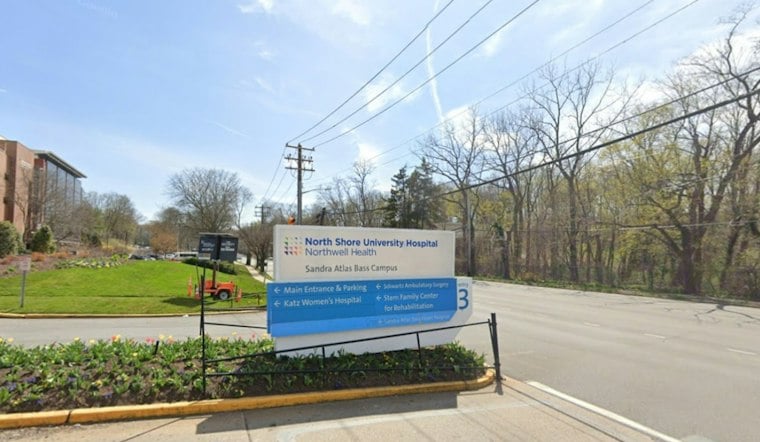
On February 5, 2022, Lindsay Salguero-Lopez of Port Washington received a heart and double-lung transplant at North Shore University Hospital. Northwell Health said she was the first person to receive a lung transplant on Long Island; ABC7 New York reported the heart and lungs came from one donor and described the combined operation as the first of its kind on the island. ABC7 said the surgery lasted seven hours.
A case-specific timeline
Northwell reported that Salguero-Lopez had been on the United Network for Organ Sharing waiting list for three years. ABC7 reported that she was listed for a heart and two lungs on February 2, with organs found two days later. The accounts do not explain how that February 2 listing date relates to the three-year wait.
What waiting-list figures show—and what they don’t
The OPTN/SRTR 2024 Annual Data Report recorded 3,822 lung candidates added to the U.S. waiting list in 2024, compared with 2,575 in 2013. These are annual additions, not the number waiting at a particular time or a measure of how long candidates wait; they do not establish a typical wait in New York or describe access to a combined heart-and-lung transplant.
For a broader view of the risks on transplant lists, an OPTN/SRTR annual data report put adult waiting-list mortality at 13.3 deaths per 100 patient-years, its lowest reported level, and said survival after lung transplant had remained stable over the preceding decade. These system-level measures do not describe Salguero-Lopez’s individual prospects or outcomes for combined-organ recipients. In New York, the state Department of Health said about 690 people were removed from transplant-center waiting lists in 2024 after dying or becoming too sick for a transplant; that figure covers transplant lists broadly, not lung candidates alone.
The condition behind the transplant
Northwell linked Salguero-Lopez’s heart-and-lung failure to a ventricular septal defect, a hole in the heart present from birth. ABC7 reported she was diagnosed with Eisenmenger Syndrome at age 6. Those details describe the medical background reported for her case; the broader waiting-list statistics do not explain an individual patient’s treatment.





