

























































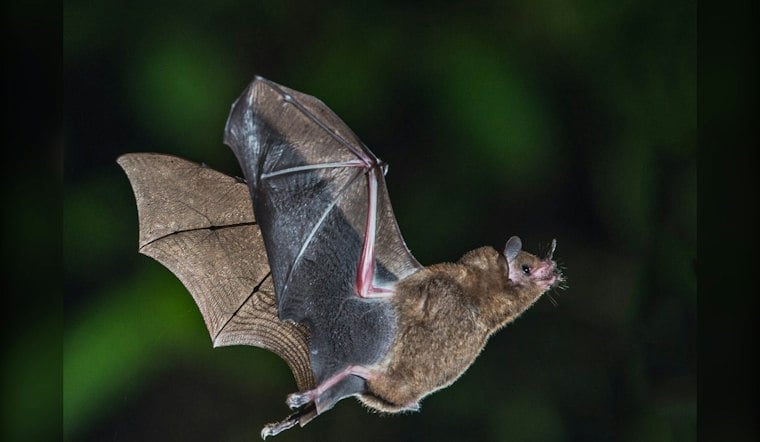
A Greenville County resident was bitten by a rabid bat earlier this month near Bessie and North Flat Rock roads outside Piedmont, and was referred to a health care provider following the exposure. The bite is part of a statewide tally that has now reached 97 confirmed rabid animals in South Carolina in 2026, including 21 rabid bats.
The Piedmont bat marks Greenville County's sixth animal to test positive for rabies this year, according to the Greenville Journal. Around the same time, a separate bat found near Pinewood and Belleview roads in Rock Hill also tested positive, becoming York County's eighth confirmed case of the year, per WRHI. Both bats were submitted to the South Carolina Department of Public Health laboratory on Oct. 23 and confirmed rabid on Oct. 26, the station reported.
Statewide Numbers Keep Climbing
The State reported Friday that the number of rabid bats found across South Carolina this year has risen to 21, following the Greenville County bite. The South Carolina Department of Public Health has confirmed that bats from both Greenville and York counties tested positive for rabies. Beyond the bats, the state's 2026 total includes 76 other positive cases spread among raccoons, skunks, foxes, cats, dogs and domestic livestock, with six cats and one dog among those infected this year.
The current pace puts South Carolina on track to land below its historical average. Since 2002, the state has averaged roughly 136 confirmed rabies cases a year, and 2025 ended with 101 — including 10 in Greenville County and nine in York County, the same account notes. South Carolina's most recent human rabies death occurred in 2011.
Why Bites Often Go Unnoticed
Terri McCollister, the health department's rabies program manager, said bat bites can be easy to overlook, meaning people and pets may not realize they were exposed at all. Not every bat carries the virus, she added, and the animals still deserve respect as wildlife rather than fear. Some rabid bats behave abnormally — showing up during the day, failing to fly, or turning up in unusual places — but officials say there is no way to tell just by looking whether a bat is infected.
Health officials say people should assume a bite or exposure may have occurred if a bat is found in a room or tent after someone wakes up, if direct contact happens, or if an unattended child, vulnerable adult or pet may have been exposed. Anyone in that situation is urged to wash the affected area with soap and water and seek medical attention immediately. The CDC has noted that reports of animal exposures and rabies post-exposure vaccinations increased across the country during the summer of 2026.
How to Stay Safe
Rabies is almost always fatal once clinical signs appear without treatment, but it is considered 100% preventable with prompt medical care, according to health officials. People are advised never to handle bats or other wild or stray animals with bare hands, whether alive or dead, and to trap any bat safely in a sealed container if one needs to be tested. Pet owners are also urged to keep their animals' rabies vaccinations current as a frontline defense against exposure.





