

























































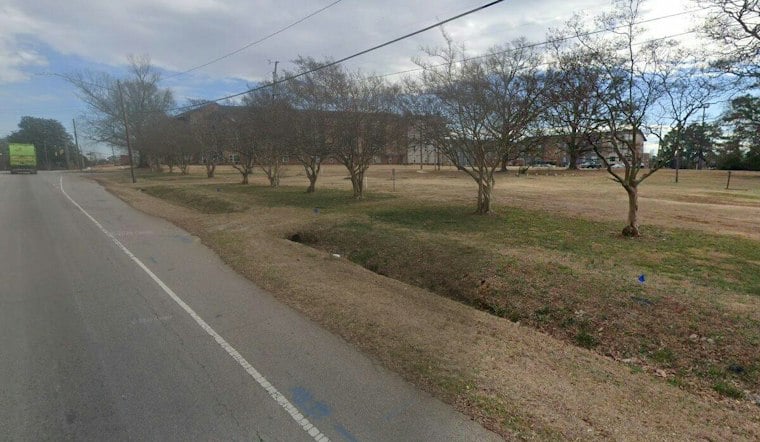
Raleigh City Council has authorized the Raleigh Housing Authority to issue up to $21 million in bonded debt to finance and construct Duplex Village, a 120-unit affordable rental development planned for New Bern Avenue. The approval, announced Tuesday, marks the latest step in a years-long effort to turn a city-owned parcel into deeply affordable housing along one of Raleigh's busiest corridors.
The bond authorization was announced in a post from the City of Raleigh
, which said the housing authority is now cleared to issue up to $21,000,000 in bonded debt specifically to finance and build Duplex Village. The project has been in the works since the city purchased the 3.91-acre site at 1936 New Bern Avenue back in April 2021 using voter-approved bond funds, according to the
City of Raleigh
. Crews finished demolishing the property's original 1949 duplex structures in December 2024, clearing the way for the new development.
A Multi-Year Path to Financing
Council took a step toward Duplex Village by authorizing a long-term ground lease for the project, per city records. The project team includes Blue Ridge Cascade, working with the Raleigh Housing Authority and Georgetown Development Partners. Tuesday's bond authorization builds on that groundwork as the housing authority moves toward financing the project.
The project's financing includes private-activity bonds, 4% Low-Income Housing Tax Credits, local gap loans, and tax credit equity, according to Blue Ridge Cascade.
Deep Affordability and a Transit Connection
As co-developer alongside Blue Ridge Atlantic, the Raleigh Housing Authority has committed 35 Project-Based Vouchers to Duplex Village to support deeply low-income residents, the developer's project materials note. The 120 units will serve households earning between 30% and 70% of Area Median Income, with all units legally bound to maintain rent restrictions for at least 80 years.
The site's location was no accident. Duplex Village sits directly along New Bern Avenue near a planned Wake Bus Rapid Transit stop, aligning with the city's strategy of clustering affordable housing along major transit corridors, the city's housing department notes. For future residents without reliable car access, that proximity to rapid transit could prove just as important as the rent restrictions themselves.
How the Bonds Actually Work
Under North Carolina Housing Authorities Law, municipal housing authorities can issue tax-exempt revenue bonds for developments inside city limits only if the local city council passes a consenting resolution, a mechanism that creates no financial obligation or credit liability for the city government itself. That legal structure explains why council approval was required even though the city itself isn't on the hook for repaying the debt.
It's a tool Raleigh has leaned on more than once this year. In August, the council authorized up to $24 million in tax-exempt bond issuances by the housing authority for two other developments, Fisher Grove and The Preserve at Gresham Lake, supporting more than 320 combined units, as Hoodline previously reported. Duplex Village's $21 million authorization follows that same playbook on a smaller, single-site scale.
Measuring Progress Against a Bigger Gap
Raleigh adopted a goal of creating or preserving 5,700 affordable units in 2016. Duplex Village's 120 units would represent a meaningful contribution toward that goal once construction wraps.
The need extends well beyond city limits. Projects like Duplex Village, alongside other bond-funded developments across the region, represent incremental progress toward addressing housing needs that local officials acknowledge will take years, not months, to resolve.




