

























































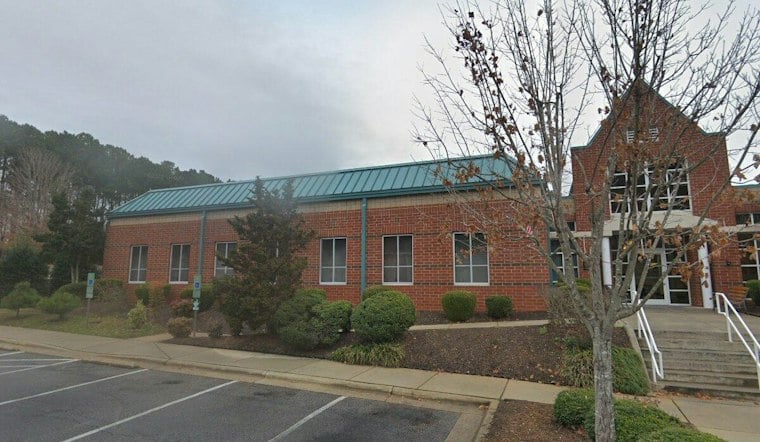
Healing Transitions is building affordable apartments on its Women's Campus in Raleigh, giving women in recovery a place to live as they rebuild relationships with their children. The nonprofit has raised more than $12 million toward its $14 million investment in the new recovery housing, and crews have already broken ground on the project.
The organization, which offers overnight shelter, medical detox and support services for free and has helped more than 7,000 women since 2006, says the new building will add 42 beds of recovery housing to the campus, according to Spectrum News. Healing Transitions plans to include 16 two- and four-bedroom apartments, though ABC11 has described the project as a three-story, 30,000-square-foot building with 16 apartments and 42 bedrooms, while the organization's own Forward Together campaign website puts the figure at 17 apartments. The exact unit count has not been reconciled across sources.
A Campus Built Around Family Reunification
The planned campus includes spaces for children and opportunities for mothers to rebuild relationships with them, Spectrum News reports. The development will also include shared spaces for peer support, mentoring, financial literacy and community activities. Forward Together's own materials describe a children's playground, a vegetable and flower garden, and a gathering space in what the organization calls a Recovery Courtyard, along with laundry and community rooms and meeting and mentoring spaces built into the design.
Healing Transitions will set affordable rental rates based on each woman's income, with residents paying no more than 30% of their income toward rent. That matters in a county where, according to a 2023 report cited by Raleigh's local news coverage, Wake County faced a shortage of more than 65,000 affordable housing units. WRAL reports that Apartments.com puts the average one-bedroom apartment in Raleigh at $1,376 a month, well above what many women leaving recovery programs can afford on their own.
Housing as the Missing Piece of Recovery
Chris Budnick said women in recovery face challenges that include working and reuniting with their children, and that longer engagement with recovery programs is correlated with greater success. Budnick said sustaining recovery for five years is associated with just a 15% risk of future relapse — a statistic that underscores why stable, long-term housing is central to the project's design.
Lela Brantley, a recovery engagement specialist at Healing Transitions who graduated from the program a year before the article's publication, said housing was one of the biggest barriers in her own recovery. Brantley described a 15-year journey in and out of facilities before finding stability. Her account echoes a broader pattern the organization has documented: an average of 20 women per year have earned their Silver Chip, the nonprofit's marker for long-term recovery, since 2018, and about a quarter of those graduates seek housing that can accommodate their children.
Funding and Timeline
Raleigh's city council approved $2.2 million in Affordable Housing Bond funds to support the project, which the city refers to as the Forward Together community, according to the City of Raleigh. Healing Transitions had previously reported, in 2023, that its Forward Together campaign had raised more than $4.5 million toward what was then described as a $10 million goal; the project's current cost has since grown to $14 million, and the relationship between those two campaign figures has not been independently clarified.
Construction is expected to take about 12 months, and Healing Transitions hopes to finish building by the end of 2026, with plans to begin welcoming women into the apartments by February 2027. The timeline tracks with broader momentum in Raleigh's affordable housing pipeline — the city recently approved five separate developments expected to add 491 apartment homes, with rents ranging from $400 to $2,000 a month depending on unit size and household makeup, according to a report from WRAL.
For women completing Healing Transitions' program, the stakes extend beyond a roof overhead. The organization reports that 85% of its graduates remain drug- and alcohol-free after one year, and says recovery residences like the one rising on its Women's Campus are associated with better abstinence rates, higher income and greater employment. For mothers like Brantley, the apartments represent something more specific: a chance to finally bring their children home.


