

























































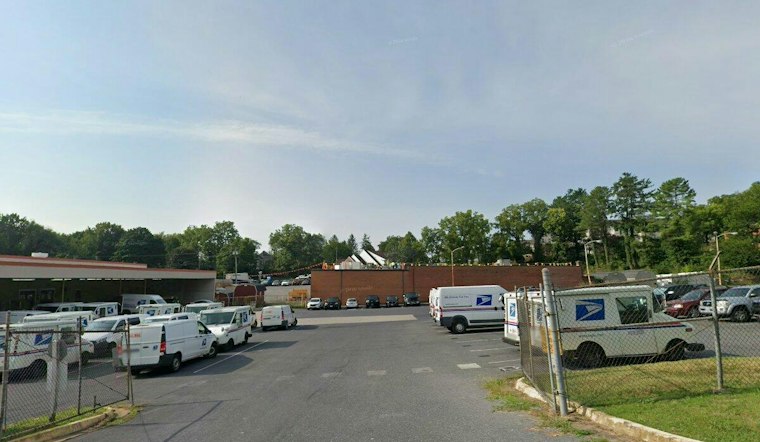
Three Shenandoah Valley communities were scheduled to host back-to-back rallies on Wednesday, with planned events spanning Staunton, Churchville and Buena Vista over six hours. The demonstrations followed Augusta Medical Group's consolidation of three practice sites — Weyers Cave Urgent Care, Buena Vista Primary Care and Churchville Primary Care — that patients say has pushed them farther from basic medical care.
The first rally was scheduled for noon to 2 p.m. outside the Staunton Health Department at 1414 N. Augusta St., followed by a demonstration in Churchville from 2 to 4 p.m. and another in Buena Vista from 4 to 6 p.m., according to a report on the planned events. Organizers said the rallies were meant to draw attention to concerns about Medicaid funding, access to care and the closure of primary care clinics in Churchville and Buena Vista, the same report noted. A rally was also planned in Buena Vista.
What Augusta Health Changed, and Why
Augusta Medical Group announced last year that it would consolidate the three locations, according to Augusta Health's own announcement. The health system described the move as part of its ongoing response to the One Big Beautiful Bill Act and its effects on health-care delivery. Buena Vista Primary Care patients were reassigned to either Augusta Health Maury River Family Practice or Augusta Health Primary Care in Lexington, both less than 10 miles away, the announcement said.
Churchville patients were directed to Augusta Health Family Practice in Verona, also less than 10 miles out, where the system said care is now available five days a week. Weyers Cave Urgent Care patients were pointed toward urgent-care sites in Stuarts Draft, Staunton, Waynesboro or Crozet, and Augusta Health said it planned to deploy its Mobile Clinic to Weyers Cave. The health system also said that staff affected by the consolidation were reassigned rather than laid off, as reported by Cardinal News.
Churchville Clinic Closure Date
Cardinal News reported that Churchville Primary Care closed on October 3.
What is consistent across accounts is the toll on patients in small communities. CNN described Churchville as a 200-person community whose residents faced longer trips and appointment delays after the clinic closed. Senator Mark Warner has pointed to the Augusta Health closures as a warning sign and urged health systems to be transparent.
A Statewide Squeeze on Rural Clinics and Hospitals
The Augusta Health consolidation is playing out against a broader financial strain on rural health care in Virginia. The state's Joint Commission on Health Care found that 13 of Virginia's 36 rural hospitals are at distant or immediate risk of closure, according to Virginia Mercury. Separately, VPM reported that seven of those 36 hospitals face an immediate closure risk or a high risk of financial distress, with about 18 more sitting in the next risk tier.
Virginia Scope reported that the central pattern in rural Virginia health care has not been widespread hospital closures but a shrinking of inpatient services alongside growing reliance on outpatient and emergency care. Virginia Mercury's state report attributed current financial strains to recent Medicare and Medicaid reimbursement rate cuts, a congressional reconciliation bill and the expiration of Affordable Care Act tax credits. About 21% of residents in Virginia's 6th Congressional District, which includes the Shenandoah Valley, are enrolled in Medicaid, per the outlet's earlier reporting.
Part of a National Wave
Part of a National Wave The pressure on clinics like Churchville's and Buena Vista's mirrors a national trend. KFF estimates federal Medicaid spending in rural communities could fall by $137 billion over the next decade under the law, according to Axios. Over the past two decades, nearly 200 rural hospitals have closed or ended inpatient services.
For Shenandoah Valley residents, those national numbers underscore what they say is becoming a local reality — longer drives, fewer appointment slots and a shrinking map of nearby care.




