

























































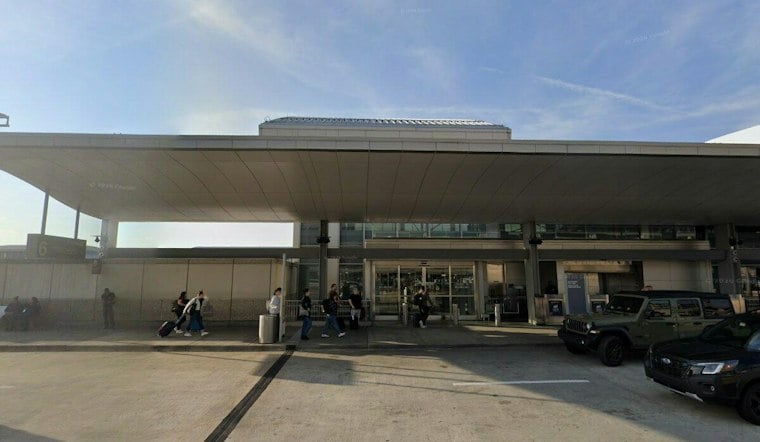
A contractor's plumbing mishap near Raleigh-Durham International Airport's FAA tower turned into an expensive headache for travelers earlier this week, after a severed fiber-optic line triggered flight delays that left passengers stranded, scrambling for hotel rooms, and now wondering who is supposed to pay for the mess.
The disruption began Monday when a Federal Aviation Administration contractor cut a fiber-optic line during a plumbing repair near the FAA tower, according to WRAL. The tower itself stayed operational despite the damage, WXII 12 reported, though accounts of the fallout diverge sharply. WXII 12 described departing flights delayed by about 20 minutes with no ground stop, while the News & Observer reported the FAA issued intermittent ground stops after the Monday-morning cut.
Whatever the precise mechanics, the numbers piled up fast — and reporting on exactly how fast varies. WRAL cited FlightAware data showing 266 delays and 47 cancellations at RDU that Monday, while AirlineGeeks put the toll at 139 delayed flights — about 41 percent of the day's schedule — and 24 cancellations. The News & Observer's own count, taken Monday afternoon, showed 212 delays and nine cancellations. The cut line was repaired by Monday night, the paper reported, but residual delays lingered into the next morning, with WRAL later counting more than 60 delayed flights Tuesday.
Travelers Face Disruption
For passengers caught in the middle, the fallout included travel disruptions and confusion.
The disruption raised a broader question: who should bear any extra costs when flights are delayed?
What Federal Rules Actually Guarantee
Federal regulations require airlines to issue refunds to passengers with canceled or significantly delayed flights who reject the alternative transportation, rebooking, or other compensation offered — and that requirement applies regardless of why the flight was canceled or delayed, under rules laid out by the eCFR. The U.S. Department of Transportation also offers guidance on airline refunds.
But that refund guarantee covers the ticket itself — not necessarily the hotel room, the rental car, or the pizza. Federal regulations generally do not require airlines to cover additional hotel, meal, or transportation expenses when a disruption falls outside the airline's control. These expenses are separate from a ticket refund.
'The Guidelines Just Aren't Strong Enough'
Who Covers the Extra Costs? The disruption raised a difficult question: who should cover extra expenses when travel plans go sideways?
What to Do If You're Stuck
For travelers who incur unexpected costs, documenting expenses can help with insurance claims.
The disruption showed how a plumbing repair near an air traffic control tower can have consequences for travelers.




