

























































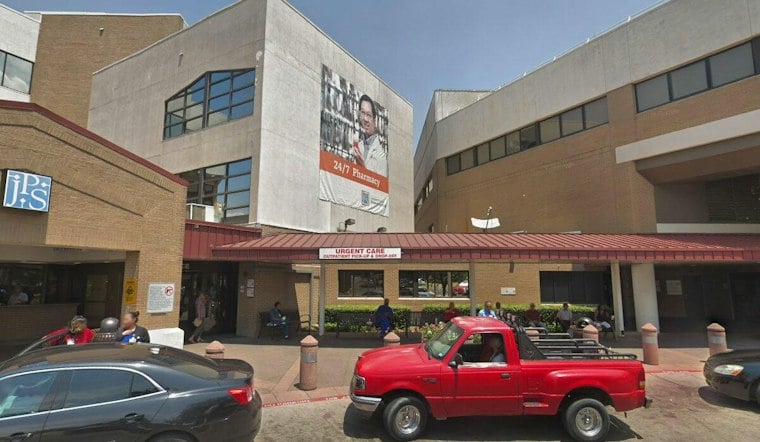
Health Secretary Robert F. Kennedy Jr. stood inside JPS Health Network in Fort Worth to announce a new national kidney care plan, telling those gathered that a monopoly over the organ transplant program had corrupted the system over time. The visit put Tarrant County's public hospital system at the center of a federal push aimed at preventing kidney failure, expanding dialysis options and overhauling how transplants are managed nationwide.
According to the Fort Worth Star-Telegram, Kennedy said the transplant monopoly had corrupted the system, framing the plan as a corrective measure. HRSA Administrator Tom Engels, who joined Kennedy at the event, said the plan aims to ensure no corruption exists in dialysis and transplant systems and to stop monopolies within them. The national plan, as described at the event, focuses on three areas: preventing kidney failure, improving dialysis care, and reforming kidney transplantation.
Kennedy, who leads the Make America Healthy Again movement, has identified Americans' high rate of chronic disease as a target for his administration, and the Star-Telegram's reporting places kidney disease squarely within that effort. Chronic kidney disease rates have increased in the United States and worldwide in recent decades, with diabetes and high blood pressure rising as contributing risk factors, per the same outlet's reporting. Kidney disease ranked as the ninth leading cause of death worldwide in 2023, up from 27th in 1990, and it ranked as the 10th leading cause of death in Tarrant County in 2023.
The Price Tag and the Waiting List
The scale of the problem shows up starkly in federal spending data. Fee-for-service Medicare spent $114 billion on kidney care, or $1 in every $5 the program spends, according to ajmc.com. Chronic kidney disease affects about 37 million people in the United States, the outlet notes in a separate report, and about 1% of all Medicare beneficiaries have kidney disease even though it accounts for 7% of all spending.
Forty percent of Americans with some stage of kidney disease do not know they have it, NPR has reported, and close to 100,000 people remain on a waiting list for kidneys. That same reporting found only 12% of American dialysis patients receive treatment at home, a figure cited alongside an earlier federal push that encouraged in-home dialysis and more kidney donations.
Echoes of Earlier Federal Kidney Pushes
Fort Worth's event follows years of federal attempts to reshape kidney care. The Advancing American Kidney Health initiative had sought to reduce the risk of kidney failure, increase access to home-based dialysis, and boost the availability of kidney transplants, with a goal of getting 80% of new end-stage renal disease patients using at-home dialysis or receiving a transplant by 2025, per AJMC's earlier coverage. That same initiative aimed to reduce the number of Americans with end-stage renal disease by 25% by 2030 and proposed reimbursing living organ donors for costs such as lost wages or child care.
CMS had also finalized an End-Stage Renal Disease Treatment Choices Model, set to take effect January 1, 2021, that officials said would improve outcomes and quality of life while saving Medicare $23 million over five years. That model was mandatory for 30% of kidney care providers across all 50 states and the District of Columbia, and CMS officials estimated the availability of donor kidneys would rise 20% by 2030 as a result.
Vaccine Record Shadows the Kidney Rollout
The kidney announcement unfolded against the backdrop of Kennedy's broader record on vaccines, which has followed him to Tarrant County. Before becoming HHS secretary, Kennedy founded Children's Health Defense, an organization that has tied routine shots to increased autism risk — a theory numerous studies have debunked, per the Star-Telegram's reporting.
At the Fort Worth event, Kennedy said parents should vaccinate, according to the same report, while also saying that COVID overreach and dishonesty by his department caused many Americans to lose faith in vaccination and that his department is trying to rebuild that trust. The Department of Health and Human Services has started multiple studies examining possible connections between vaccines and other health problems, and Kennedy has held a ribbon cutting for a clinic to study vaccine injuries.
Locally, the numbers vaccine experts watch have moved in a worrying direction. Tarrant County's kindergarten MMR vaccination rate fell from almost 94% to almost 93%, while conscientious exemptions to the MMR vaccine rose from 5.3% to 6.8%, according to state data cited by the Star-Telegram. Vaccine experts worry that declining vaccination coverage is linked to skepticism voiced by Kennedy and others, the paper reports.
Those local trends sit alongside a national measles resurgence. The West Texas measles outbreak infected 762 people and killed two children, and the U.S. overall has recorded more than 4,000 measles cases this year — the highest total since 1991 — with six deaths nationwide, per the Star-Telegram's reporting, authored by Ciara McCarthy.




